
East Tennessee · Outpatient care

Drug and Alcohol Rehab for Veterans in Tennessee

Looking for rehab for veterans in Tennessee? New Hope Healthcare Institute provides addiction and mental health treatment in Knoxville for veterans and military-connected adults.

Our programs help people struggling with alcohol use, drug addiction, and co-occurring mental health conditions. Care may include a partial hospitalization program (PHP), intensive outpatient program (IOP), individual counseling, and dual diagnosis treatment.

We understand that military experiences, chronic stress, trauma, and the transition to civilian life can affect recovery. Our clinical team works with each person to identify an appropriate level of care.

New Hope can also help clients review applicable TRICARE benefits and explore possible VA Community Care options, subject to eligibility and authorization.

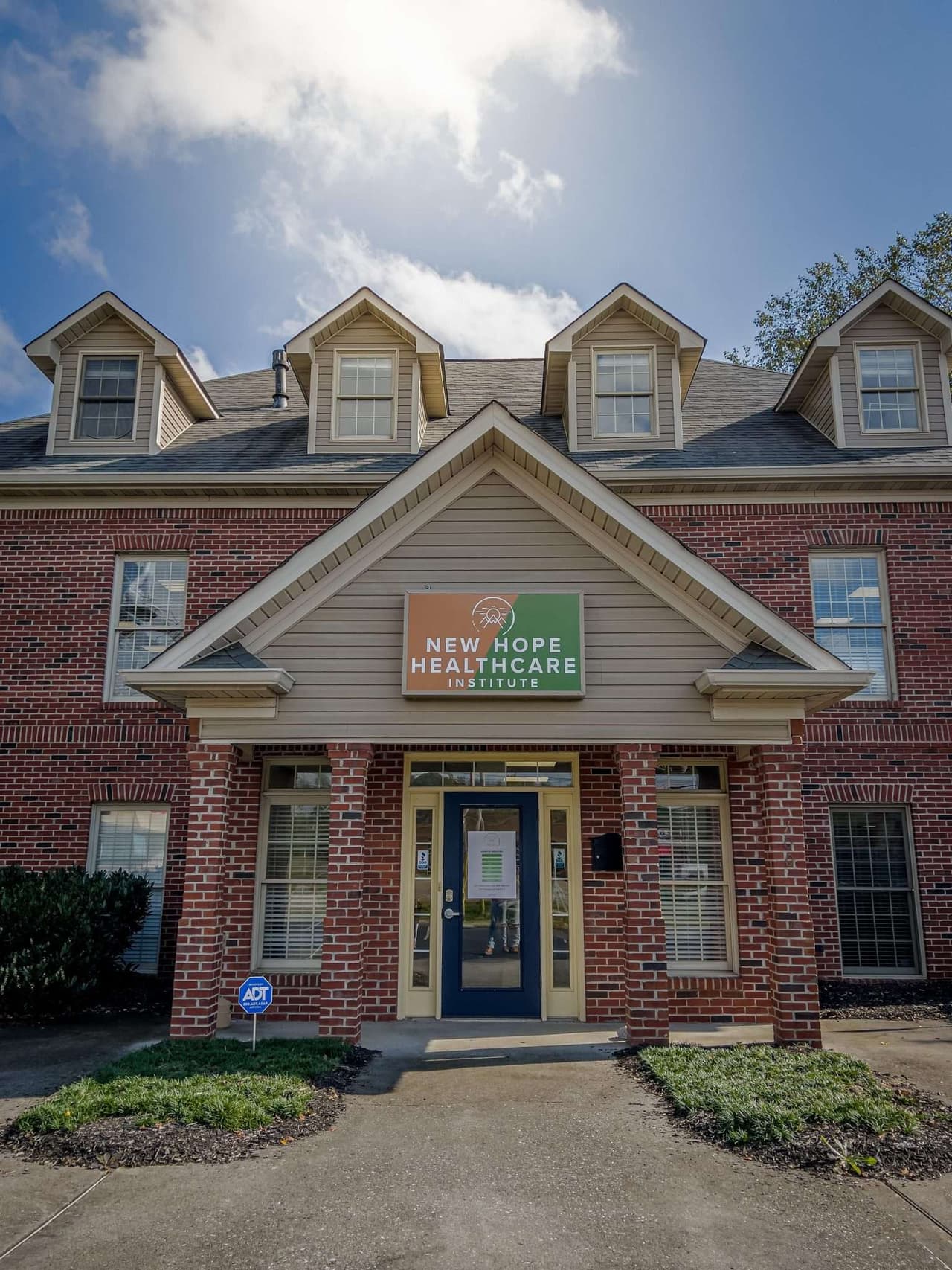
New Hope Healthcare Institute campus in Knoxville, Tennessee

Knoxville, Tennessee

  • Campus

    Knoxville

  • Levels of care

    PHP · IOP · OP

  • Admissions

    24/7

  • PHP, IOP, and outpatient
  • Dual diagnosis care
  • Benefits review
  • Clinical assessment

Knoxville

Veteran-Focused Addiction Treatment in Tennessee

Veterans and military-connected adults can start with a confidential admissions call.

Knoxville outpatient care

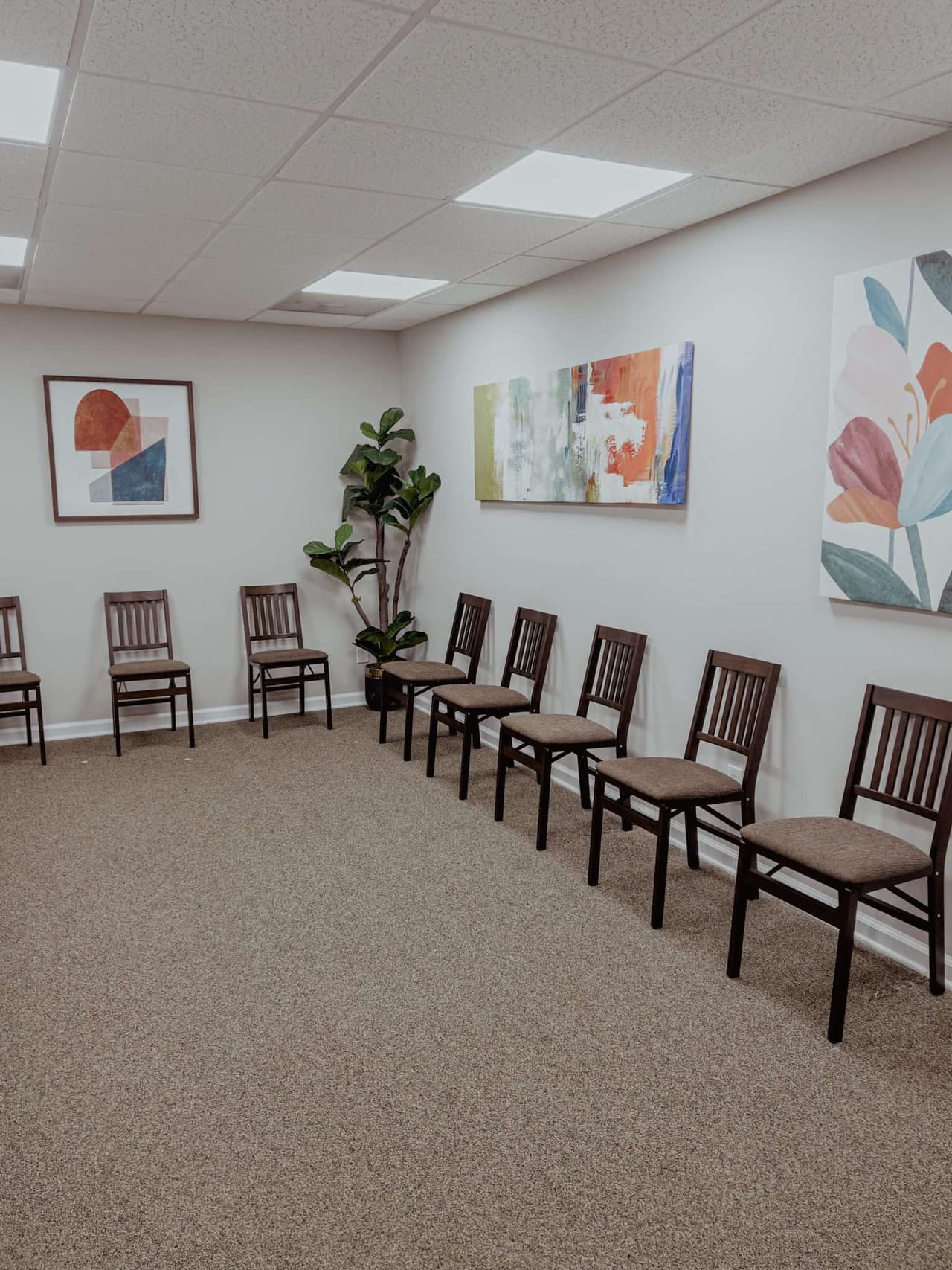
Soft seating for rest and conversation between sessions

Soft seating for rest between sessions at the Knoxville campus.

Knoxville

Campus

PHP · IOP · OP

Levels of care

24/7

Admissions

The Joint Commission

Accreditation

What a first call can cover

  • PHP, IOP, and outpatient
  • Dual diagnosis care
  • Benefits review
  • Clinical assessment

Substance use care

Alcohol and Drug Addiction Treatment for Veterans in Tennessee

Veterans may struggle with alcohol or drug use for different reasons. Some turn to substances while dealing with stress, difficult memories, poor sleep, chronic pain, or depression. Others develop problems after using prescription medications or recreational drugs.

New Hope Healthcare Institute helps veterans explore treatment for substance use disorders. Care focuses on understanding addiction, improving mental health, building coping skills, and preparing for long-term recovery.

Common substances in treatment

  1. Alcohol
  2. Opioids
  3. Fentanyl
  4. Heroin
  5. Methamphetamine
  6. Cocaine
  7. Prescription medications

Alcohol Addiction Treatment for Veterans

Alcohol use disorder can affect sleep, physical health, mood, relationships, and daily responsibilities. Some veterans may drink to manage stress or difficult memories.

Treatment can include counseling, relapse prevention, healthy coping skills, and support for related mental health conditions. A clinical assessment helps determine whether medical withdrawal care is needed before starting outpatient treatment.

Drug Addiction Treatment for Veterans

Veterans may need help with opioid addiction, fentanyl, heroin, methamphetamine, cocaine, prescription drug misuse, or other substance use problems.

Treatment focuses on understanding substance use patterns, developing coping skills, reducing relapse risks, and addressing mental health concerns. Medication support may also be considered when clinically appropriate.

Levels of care

Levels of Care for Veterans Seeking Rehab in Tennessee

The right treatment level depends on substance use history, withdrawal risk, mental health needs, and personal circumstances.

All programs
Group room with wooden chairs along the wall at New Hope Healthcare Institute

Partial Hospitalization Program (PHP)

Our partial hospitalization program provides structured daytime treatment for people who need frequent clinical support but do not require overnight hospital or residential care.

PHP may include individual counseling, group therapy, relapse prevention, and treatment planning. Clients return home or to an appropriate supportive living environment after treatment.

Lounge with dark leather seating at New Hope Healthcare Institute

Intensive Outpatient Program (IOP)

Our intensive outpatient program provides structured addiction treatment several times per week.

IOP may be appropriate for veterans who are medically stable and need treatment while managing family, work, school, or other responsibilities.

Seating area with blue sofas and mustard armchairs at New Hope Healthcare Institute

Outpatient Addiction Treatment

Outpatient care provides continued counseling and recovery support with fewer scheduled treatment hours.

This level of care may help veterans maintain progress after completing a more intensive treatment program.

Office with a desk, laptop, and blue sofa at New Hope Healthcare Institute

Medication-Assisted Treatment (MAT)

Some veterans recovering from alcohol or opioid use disorder may benefit from medication as part of a complete treatment plan.

A qualified healthcare provider determines whether medication is appropriate based on clinical needs, medical history, and available services.

Front entrance of the New Hope Healthcare Institute building in Knoxville

Medical Detox and Residential Treatment Considerations

Not every veteran needs medical detox or residential rehab. The appropriate level of care depends on withdrawal symptoms, medical needs, mental health concerns, and the safety of the home environment.

Alcohol and benzodiazepine withdrawal can be dangerous. Veterans at risk of severe withdrawal should seek medical assessment before stopping suddenly.

When someone needs a higher level of care, the admissions team can discuss appropriate treatment options.

Kitchen with a white island and a dining table at New Hope Healthcare Institute

Virtual Treatment Options for Tennessee Veterans

Veterans who live farther from Knoxville may be able to explore virtual intensive outpatient treatment when clinically appropriate and available.

Eligibility, scheduling, and insurance coverage must be confirmed before enrollment.

Co-occurring care

PTSD, Military Trauma, and Addiction Treatment for Veterans

Military service can affect people in different ways. Some veterans experience post-traumatic stress disorder (PTSD), anxiety, depression, grief, chronic pain, or difficulty adjusting to civilian life.

Not every veteran has PTSD, and not every person with addiction has experienced combat.

Veterans who have both substance use and mental health concerns may benefit from integrated treatment that addresses both conditions.

New Hope Healthcare Institute offers dual diagnosis services to help people manage addiction and co-occurring mental health symptoms. A clinical assessment helps determine which services are appropriate and whether specialized treatment or outside referrals are needed.

How symptoms and substance use can connect

  1. Stress or trauma symptoms
  2. Coping with alcohol or drugs
  3. Integrated clinical care
Front entrance of New Hope Healthcare Institute in Knoxville

How PTSD and Substance Use Can Be Connected

  • PTSD may cause nightmares, unwanted memories, sleep problems, fear, or feeling constantly on alert.
  • Some people use alcohol or drugs to temporarily escape these symptoms. Over time, substance use may make sleep, mood, and mental health problems worse.
  • Treatment may involve addiction counseling, mental health support, and evidence-based trauma-focused care when appropriate and available.

Mental Health Challenges Veterans May Experience

  • PTSD is a mental health condition that can follow a traumatic event during or after service. It is separate from addiction, even when both are present, and many veterans never develop it.

  • Depression and anxiety can affect energy, sleep, and daily responsibilities. Either can occur with or without a substance use problem.

  • Military sexual trauma refers to sexual assault or harassment during military service. A clinical assessment determines whether available services fit or whether a referral is the right next step.

  • Grief and loss can follow the death of someone close, a change in role, or the end of a military identity. Those feelings do not mean a person also has an addiction.

  • Sleep problems may come with stress, pain, nightmares, or substance use. Poor sleep can also make mood and recovery harder from one day to the next.

  • Chronic pain can continue after an injury. Some people use alcohol or prescription medication to get through the day, and that use can become its own problem.

  • Leaving military service can change work, family roles, and daily structure. That transition can add stress while someone is changing their substance use.

Accredited care at our Knoxville campus

New Hope Healthcare Institute is accredited by The Joint Commission and licensed by the Tennessee Department of Mental Health and Substance Abuse Services.

  • The Joint Commission accredited
  • Confidential assessments
  • Admissions available 24/7

Cost & coverage

Does VA or TRICARE Cover Veterans Rehab in Tennessee?

Veterans and military families may have different options for paying for addiction treatment. Coverage depends on the person's benefits, treatment needs, provider participation, and required approvals.

New Hope Healthcare Institute can help clients review available insurance information before beginning treatment.

01

VA Community Care for Addiction Treatment

The Department of Veterans Affairs (VA) may authorize addiction and mental health treatment through its Community Care Network when an eligible veteran meets the requirements for community care.

Veterans generally need approval and an appropriate referral from their VA healthcare team before receiving VA-funded treatment from a community provider.

If you have VA health benefits, ask your VA care team whether treatment at New Hope Healthcare Institute may be an option. Our admissions team can help you understand the information needed to explore the referral process.

VA approval and payment are not automatic. Treatment must match the services authorized by the VA.

02

TRICARE Coverage for Veterans and Military Families

TRICARE may cover medically necessary addiction and mental health treatment for eligible beneficiaries.

Depending on the plan and clinical requirements, covered services may include outpatient treatment, intensive outpatient care, partial hospitalization, or other approved services.

Not all veterans qualify for TRICARE. Network status, referrals, prior authorization, copays, and deductibles may differ by plan.

New Hope offers insurance verification to help eligible clients understand their benefits.

03

How to Verify Veterans Rehab Insurance Benefits

Start by contacting New Hope Healthcare Institute to discuss treatment and available insurance benefits.

Our admissions team can review available information, explain possible referral requirements, and discuss the next steps.

Veterans using VA benefits should contact their VA healthcare team to confirm eligibility and obtain any necessary treatment authorization.

Insurance verification does not guarantee coverage, payment, or admission.

Ask admissions to review the card you have

Verify your benefits

A quick guide

What to Expect When Starting Veterans Rehab

Admissions and the clinical team use these steps to recommend a starting point.

New Hope Healthcare Institute campus in Knoxville, Tennessee

Ask admissions what a first visit to the Knoxville campus includes.

  1. Step 1 — Confidential Admissions Conversation

    Speak with our admissions team about alcohol or drug use, mental health symptoms, and your current circumstances.

  2. Step 2 — Insurance and Benefits Review

    Review available insurance details and determine whether referrals, authorizations, or additional information are required.

  3. Step 3 — Clinical Assessment

    A clinician reviews substance use history, withdrawal risks, medical needs, mental health concerns, and treatment goals.

  4. Step 4 — Individual Treatment Planning

    The clinical team recommends an appropriate level of care and explains the treatment schedule, available services, and next steps.

Family & recovery

Family Support and Long-Term Recovery for Veterans

Addiction recovery can affect the entire family. Spouses, partners, parents, and loved ones may need help understanding addiction, rebuilding trust, and supporting healthy boundaries.

When appropriate and with the client's consent, family involvement can support treatment.

Long-term recovery planning may include continued counseling, healthy routines, relapse prevention strategies, peer support, and follow-up care.

Veterans may also benefit from community or VA resources that address housing, employment, mental health, and other needs outside the treatment program.

Long-term recovery planning may include

  • Continued counseling
  • Healthy routines
  • Relapse prevention
  • Peer support
  • Follow-up care
Exterior of New Hope Healthcare Institute campus in Knoxville, Tennessee

New Hope Healthcare Institute

100 Glenleigh Ct Ste 101, Knoxville, TN 37934

The treatment facility is in Knoxville, Tennessee. Veterans who live elsewhere in the state can ask admissions whether the schedule and clinical fit work for them.

Schedule a campus tour

Veterans rehab questions

Frequently Asked Questions About Veterans Rehab in Tennessee

Straight answers about community care, TRICARE, withdrawal care, PTSD, and treatment beyond Knoxville.

Call 24/7: 865-800-0947

Yes. Veterans may receive addiction treatment from community providers using eligible VA benefits, TRICARE, private insurance, or other payment arrangements. VA-funded community care generally requires approval before treatment.

Take the First Step Toward Recovery

A confidential admissions specialist can help you verify insurance, understand treatment options, and take the next step — for yourself or someone you love.

  • Free, confidential benefits check
  • Same-day admissions often available
  • Available 24 hours a day, 7 days a week
Call 24/7: 865-800-0947

Verify Your Insurance

Free and confidential — no obligation.

HIPAA-compliant. Your information stays private.