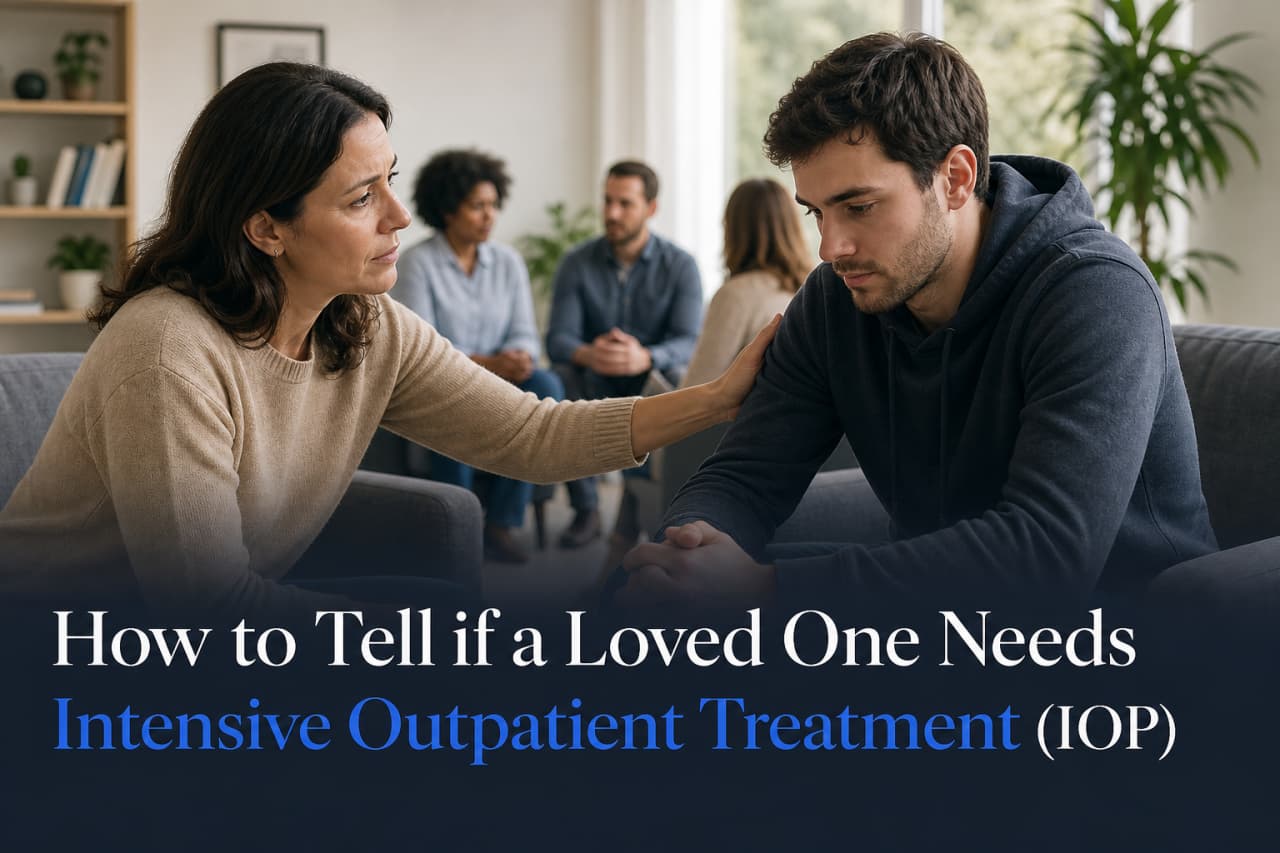
Watching a loved one struggle with substance abuse and mental health challenges can leave families unsure when professional help is necessary. An intensive outpatient program (IOP) offers structured support for addiction and behavioral health while allowing individuals to maintain work, family life, and other life responsibilities. Understanding when IOP treatment may be appropriate can help families in Knoxville explore recovery options without immediately turning to inpatient treatment or inpatient care.
What Is an Intensive Outpatient Program (IOP)?
An intensive outpatient program (IOP) provides structured addiction treatment through therapy, counseling, and recovery support without requiring patients to live at a facility. IOP typically involves at least nine hours of treatment per week for adults, including individual therapy, group counseling, relapse prevention, care for co-occurring mental health conditions, and chances to meet individually with a clinician. Patients can continue working, attending school, and managing family responsibilities while receiving treatment. IOP is recommended for people who need a higher level of care than standard outpatient therapy but do not require 24-hour supervision. Treatment focuses on managing cravings, identifying triggers, developing coping skills, and preventing relapse. IOP may also follow detox, partial hospitalization, or residential treatment; some people step down after inpatient programs, while others begin treatment directly in IOP.
Signs Your Loved One May Need Intensive Outpatient Treatment
- Continued alcohol or drug use despite negative consequences
- Failed attempts to quit or reduce substance use
- Strong cravings and increased tolerance
- Withdrawal symptoms when reducing substance use
- Mood swings, anxiety, depression, or irritability
- Neglecting work, school, or family responsibilities
- Social withdrawal and loss of interest in activities
- Secretive behavior or hiding substance use
- Financial or legal problems related to addiction
- Relapse after previous addiction treatment
- Needing more support than weekly outpatient therapy
Physical, Behavioral, and Mental Health Effects of Addiction
Addiction affects physical health, brain function, behavior, and emotional well-being. Repeated substance use can increase cravings, impair judgment, and cause sleep disturbances, fatigue, appetite changes, and poor concentration. Long-term use may contribute to organ damage and declining physical health.
Behavioral effects include secrecy, isolation, impulsive decisions, and neglected responsibilities. Addiction can also worsen anxiety, depression, irritability, and mood swings, especially in people with co-occurring mental health disorders.
How Addiction Affects Family Relationships, Work, and Daily Life
Addiction can damage trust, increase family conflict, and cause financial problems or social isolation. Individuals may withdraw from loved ones, neglect responsibilities, and struggle to maintain healthy relationships. Family members may experience stress and emotional exhaustion. At work or school, substance use can cause poor concentration, absenteeism, and declining performance. Continued addiction increases the risk of unemployment, academic problems, and financial instability.
Who Is a Good Candidate for an Intensive Outpatient Program?
An intensive outpatient program may benefit individuals with substance use disorders who need structured treatment but do not require 24-hour supervision. Suitable candidates typically have stable housing, manageable withdrawal risks, and the ability to attend regular therapy sessions. IOP can also support individuals transitioning from detox, residential rehab, or partial hospitalization.
People experiencing relapse, cravings, or co-occurring mental health conditions may also benefit from IOP, though those who need intensive support may require a higher level of care. A clinical assessment determines the appropriate level of care.
Can You Work or Attend School While Attending IOP?
Yes, intensive outpatient programs often allow patients to continue working, attending school, and managing family responsibilities. Treatment typically includes IOP sessions that are often three hours long and scheduled 3 to 5 days a week, alongside individual counseling, group therapy, and relapse prevention, with evening options commonly available for IOP sessions. IOP helps individuals practice recovery skills while maintaining daily routines. Consistent attendance and a stable living environment remain important for treatment success.
What Substance Use Disorders Can IOP Treat?
Intensive outpatient programs can treat several substance use disorders, including:
- **Alcohol Use Disorder**: Addiction involving beer, wine, liquor, and other alcoholic beverages.
- **Opioid Use Disorder**: Heroin, fentanyl, oxycodone, hydrocodone, and prescription opioids.
- **Stimulant Use Disorder**: Cocaine, crack cocaine, methamphetamine, Adderall, and Ritalin.
- **Cannabis Use Disorder**: Marijuana, THC concentrates, and cannabis edibles.
- **Benzodiazepine Use Disorder**: Xanax, Valium, Klonopin, and Ativan.
- **Sedative Use Disorder**: Ambien and other sedative-hypnotic medications.
- **Polysubstance Use**: Problematic use of multiple substances, such as alcohol and cocaine or opioids and benzodiazepines.
Treatment depends on addiction severity, withdrawal risks, and mental health needs. Alcohol and benzodiazepine withdrawal may require medically supervised detox before IOP.
Prevalence of Substance Use Disorders and the Need for Addiction Treatment
Substance use disorders affect millions of Americans. According to the 2023 National Survey on Drug Use and Health (NSDUH), approximately 48.5 million Americans aged 12 or older (17.1%) experienced a substance use disorder in the past year. Alcohol use disorder affected 28.9 million people, while 27.2 million experienced a drug use disorder. Many individuals do not receive addiction treatment due to stigma, costs, limited access, or work and family responsibilities. Intensive outpatient programs offer structured treatment while allowing patients to live at home.
Effects and Risks of Untreated Addiction and Delaying Treatment
**Short-Term**:
- Increased cravings, tolerance, and withdrawal symptoms
- Impaired judgment, coordination, and concentration
- Anxiety, depression, and mood swings
- Sleep disturbances, fatigue, and appetite changes
- Accidents, injuries, and risky behaviors
- Family conflict and declining work performance
- Acute intoxication, poisoning, or overdose
**Long-Term**:
- Physical dependence and worsening addiction
- Liver disease, heart disease, and organ damage
- Memory problems and cognitive impairment
- Persistent mental health symptoms
- Increased overdose risk and substance-related death
- Unemployment, financial instability, and legal problems
- Damaged relationships and social isolation
- Reduced quality of life
The Connection Between Addiction and Co-Occurring Mental Health Disorders
Addiction often occurs alongside mental health conditions, known as co-occurring disorders or dual diagnosis. Substance use can worsen psychiatric symptoms, while untreated mental health conditions may increase the risk of addiction. Common disorders include:
- **Major Depressive Disorder**: Persistent sadness, hopelessness, and loss of interest.
- **Generalized Anxiety Disorder (GAD)**: Excessive worry, restlessness, and poor concentration.
- **Post-Traumatic Stress Disorder (PTSD)**: Flashbacks, nightmares, and trauma-related distress.
- **Bipolar Disorder**: Episodes of depression, mania, or hypomania.
- **Social Anxiety Disorder**: Intense fear of social situations.
- **Panic Disorder**: Recurring panic attacks and intense fear.
- **ADHD**: Impulsivity, inattention, and difficulty organizing tasks.
- **Borderline Personality Disorder (BPD)**: Emotional instability and impulsive behavior.
Integrated treatment addresses addiction and mental health symptoms together.
How IOP Treats Addiction, Anxiety, Depression, and PTSD
Intensive outpatient programs begin with a clinical assessment of substance use, mental health, and treatment needs. Patients attend individual counseling, group therapy, and psychiatric support several days per week while living at home. Cognitive behavioral therapy (CBT), trauma-focused care, medication management, and relapse prevention help patients manage cravings, anxiety, depression, PTSD symptoms, and substance use triggers while developing healthy coping skills.
Types of Therapy and Treatment Used in IOP
Intensive outpatient programs use evidence-based therapies, with treatment approaches often guided by addiction medicine standards such as ASAM levels of care, including:
- Cognitive Behavioral Therapy (CBT): Changes harmful thoughts and behaviors.
- Dialectical Behavior Therapy (DBT): Builds emotional regulation skills.
- Motivational Interviewing (MI): Strengthens motivation for recovery.
- Group Therapy: Provides peer support and recovery education.
- Individual Counseling: Addresses triggers and personal goals.
- Family Therapy: Improves communication and support.
- Medication-Assisted Treatment (MAT): Uses appropriate medications for opioid or alcohol addiction.
- Relapse Prevention: Develops strategies to avoid returning to substance use.
Benefits of Intensive Outpatient Treatment for Addiction Recovery
- Structured treatment while living at home
- Flexibility for work, school, and family
- Individual counseling and group therapy, where participants can also build social skills
- Support for co-occurring mental health disorders
- Improved coping skills, emotional regulation, and self esteem
- Craving management and relapse prevention
- Peer support and accountability, with stronger social support through connection with others in recovery
- Family involvement and communication
- Continued care after detox or residential rehab
- Research shows IOPs can have outcomes similar to inpatient treatment for appropriate patients
The Substance Abuse and Mental Health Services Administration emphasizes treatment that addresses the whole person, while therapy in group settings builds community connections and recovery support.
How IOP Supports Relapse Prevention and Long-Term Recovery
IOP helps patients identify triggers, manage cravings, and develop coping strategies for stress and high-risk situations. Relapse prevention plans may include ongoing counseling, medication management, recovery groups, sober living, and strategies for handling setbacks. Continued support after IOP helps maintain long-term recovery.
IOP vs. Standard Outpatient Treatment, PHP, and Residential Rehab
Addiction treatment programs differ in intensity, structure, and supervision.
| Treatment Program | Typical Structure |
| ----- | ----- |
| Standard Outpatient | Weekly or periodic counseling |
| Intensive Outpatient (IOP) | Typically 9–19 treatment hours weekly |
| Partial Hospitalization (PHP) | Typically 20 or more treatment hours weekly |
| Residential Rehab | 24-hour residential support and daily treatment |
IOP offers more support than standard outpatient care without overnight stays. PHP and residential rehab provide greater structure for higher clinical needs.
When Is Medical Detox or Residential Treatment Necessary Instead of IOP?
Medical detox may be necessary when alcohol, benzodiazepine, or other substance withdrawal creates serious health risks, including seizures. Residential treatment may be appropriate for severe addiction, repeated relapse, unstable housing, or serious mental health symptoms. A clinical assessment determines the safest level of care.
How Long Does an Intensive Outpatient Program Last?
An intensive outpatient program often lasts 8 to 12 weeks, although duration varies by individual needs and treatment progress. Adults typically attend at least nine hours of treatment weekly across several days. Some patients require longer treatment or transition into standard outpatient counseling, medication management, or recovery support groups after IOP.
How to Talk to a Loved One About Getting Addiction Treatment
Choose a private setting when your loved one is sober and explain your concerns without blame or judgment. Discuss specific changes in their behavior, health, or responsibilities while encouraging an open conversation.
Suggest a professional addiction assessment and explain how IOP allows patients to receive treatment while maintaining daily routines. Offer help researching programs, comparing iop programs when urgent placement or scheduling needs matter, verifying insurance, or arranging transportation.
When to Seek Help
Seek addiction treatment when substance use causes persistent cravings, withdrawal symptoms, repeated relapse, or problems with daily responsibilities. A clinical assessment can determine whether IOP, detox, PHP, or residential treatment is appropriate. For overdose, severe withdrawal, or immediate danger, call 911; call 988 for suicide or mental health crisis support.
Addiction Treatment Options
- **Medical Detox**: Supervised withdrawal management.
- **Residential Treatment**: 24-hour support and structured care.
- **Partial Hospitalization (PHP)**: Intensive daytime treatment.
- **Intensive Outpatient (IOP)**: Structured therapy while living at home.
- **Standard Outpatient**: Less frequent counseling and recovery support.
- **Medication-Assisted Treatment (MAT)**: Medications for opioid or alcohol use disorder.
- **Dual Diagnosis Treatment**: Care for addiction and mental health disorders.
- **Aftercare**: Ongoing therapy, peer support, and relapse prevention.
Does Insurance Cover Treatment?
Many private insurance plans, Medicaid, and TennCare may cover intensive outpatient treatment for addiction and co-occurring mental health disorders. Coverage depends on medical necessity, provider networks, deductibles, and authorization requirements. Individuals seeking IOP in Knoxville, Tennessee, can verify benefits with their insurance provider or treatment facility.
Conclusion
An intensive outpatient program provides structured support through substance abuse treatment, psychiatric services, family counseling, and group sessions. IOP treatment helps patients manage symptoms, develop new coping skills, and improve emotional health while maintaining work and family responsibilities. For individuals who need more support than standard outpatient services but do not require inpatient care, IOP offers a flexible path to recovery. Programs may offer evening options for working professionals, with insurance coverage varying by provider and plan. Seeking professional help can connect individuals with the right level of addiction and mental health treatment.
Seeking Treatment? We Can Help!
At New Hope Healthcare, as an in-network provider we work with most insurance plans, such as:
If you or a loved one are struggling with mental health challenges or substance abuse, seeking treatment and emotional support is crucial. Consulting a doctor can provide the necessary support and guidance for your teen. Reach out to New Hope Healthcare today. Our team of compassionate professionals is here to support your journey towards lasting well-being. Effective medication management is a crucial part of the treatment process to ensure safety and success. Give us a call at 866-799-0806.
FAQs
How do I know if my loved one needs an intensive outpatient program?
Signs include continued substance use, failed attempts to quit, cravings, mood changes, and problems with relationships or daily responsibilities. IOP may help when structured treatment is needed without 24-hour supervision.
What addictions can an intensive outpatient program treat?
IOP can treat alcohol, opioid, stimulant, cannabis, and prescription drug addiction. Programs may also address co-occurring mental health disorders.
Does insurance cover intensive outpatient treatment?
Many insurance plans, including TennCare, may cover IOP when medically necessary. Coverage depends on the provider, plan benefits, and authorization requirements.
People Also Ask
How do I know if my loved one needs an intensive outpatient program?
Signs include continued substance use, failed attempts to quit, cravings, mood changes, and problems with relationships or daily responsibilities. IOP may help when structured treatment is needed without 24-hour supervision.
What addictions can an intensive outpatient program treat?
IOP can treat alcohol, opioid, stimulant, cannabis, and prescription drug addiction. Programs may also address co-occurring mental health disorders.
Does insurance cover intensive outpatient treatment?
Many insurance plans, including TennCare, may cover IOP when medically necessary. Coverage depends on the provider, plan benefits, and authorization requirements.
Sources