

May 4, 202423 min read
Partner is an Alcoholic
Clinically Reviewed by: Dr. Robin Campbell, LMFT, PHD When Your Partner is an Alcoholic Navigating a relationship when your partner struggles with alcoholism can be a complex.
M
MaverickHIPAA-compliant · Same-day admissions available
Tianeptine addiction is an emerging public health concern in Tennessee, where products marketed as "gas station heroin" raise serious health risks.
New Hope Health
Editorial Team
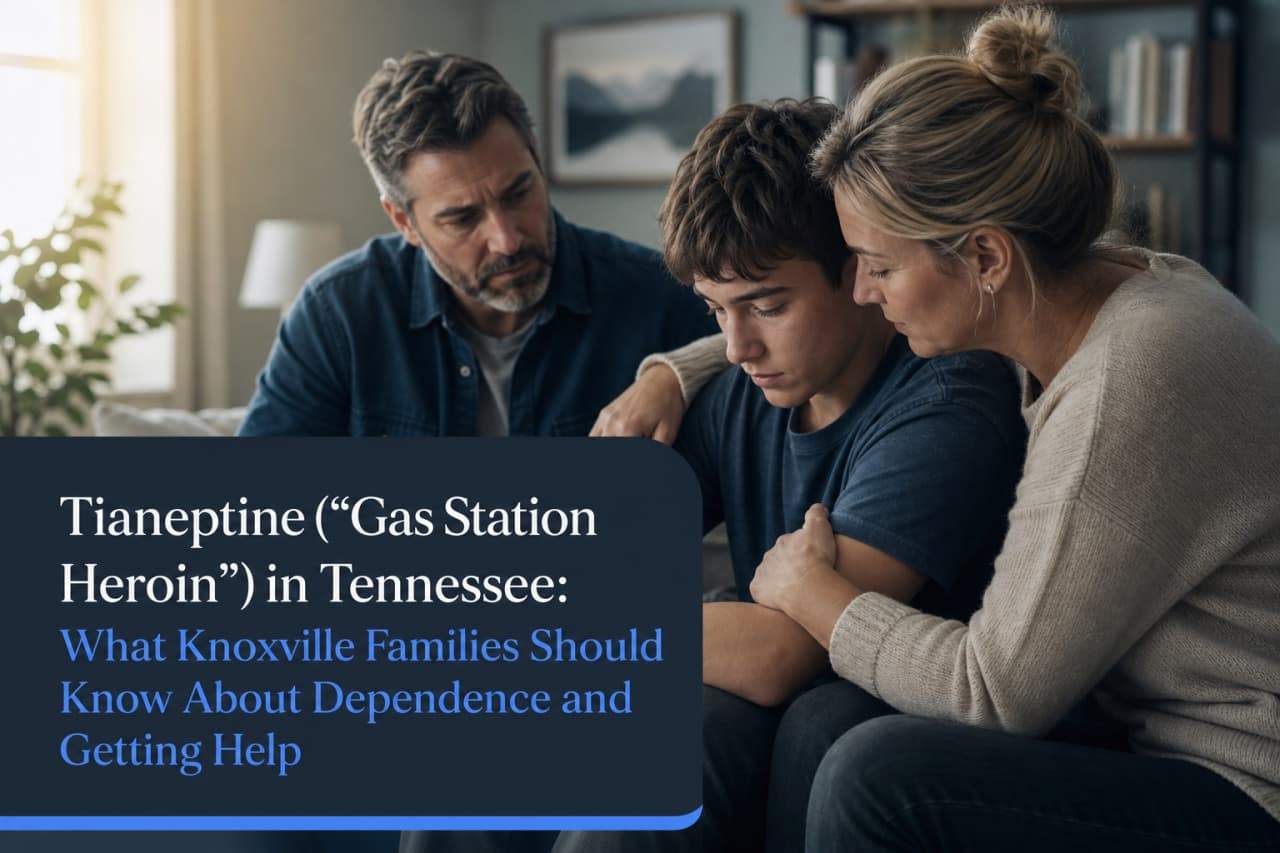
Tianeptine addiction is an emerging public health concern in Tennessee, where products marketed as "gas station heroin" have raised concerns about substance misuse and serious health risks. Originally developed as an atypical tricyclic antidepressant, tianeptine produces opioid agonist effects that can lead to dependence, tianeptine withdrawal symptoms, and opioid overdose. For Knoxville families, understanding the dangers of tianeptine abuse, recognizing warning signs, and knowing when to seek help can make a difference in preventing serious harm.
Tianeptine is an atypical antidepressant used in some countries to treat depression but is not approved by the U.S. Food and Drug Administration (FDA) for any medical use. In the U.S., it is often misleadingly sold as a dietary supplement even though the FDA considers it an unsafe food additive. It is often sold in pills, powders, and liquids under brand names such as ZaZa and Tianna, sometimes marketed as mood enhancers or with claims that they support brain function, relieve chronic pain, or help with irritable bowel syndrome. At higher doses, it can act on the same receptors as opioids, and tianeptine's opioid like effects increase the risk of dependence and overdose. Despite these claims, tianeptine carries serious risks, including physical dependence, addiction, withdrawal symptoms, respiratory depression, and potentially fatal overdose.
Tianeptine is called "gas station heroin" because it has been sold at gas stations, convenience stores, and smoke shops despite producing opioid-like effects. At high doses, it activates mu-opioid receptors, causing euphoria, sedation, dependence, and withdrawal symptoms. Products such as ZaZa and Tianna have raised concerns due to their addiction and overdose risks.
Tianeptine comes in several chemical forms and products, often marketed for mood enhancement or relaxation despite lacking FDA approval.
Tianeptine addiction develops through repeated use that reinforces the brain's reward system. Repeated nonmedical use can also become habitual, and reviewed cases report that 57.69% of users showed habitual misuse patterns. Its effects on mu-opioid receptors can cause tolerance, dependence, cravings, and withdrawal, and severe misuse often involves tianeptine dosage escalation far beyond therapeutic use, sometimes exceeding 4,000 mg per day. Risk factors include frequent high-dose use, previous substance use disorders, mental health conditions, and using tianeptine to manage stress, anxiety, or opioid withdrawal.
Tianeptine is one of several psychoactive drugs that can carry opioid-like risks at high doses. It activates mu-opioid receptors involved in pain, reward, mood, and breathing through an opioid receptor mechanism, and at high amounts it can affect the same receptors targeted by opioids. At high doses, it produces opioid-like effects, including euphoria, sedation, and respiratory depression. Repeated use can cause tolerance, physical dependence, and withdrawal symptoms similar to other opioids.
Older descriptions linked tianeptine to serotonin reuptake, but current evidence points more strongly to opioid-related and other non-SSRI effects at misuse levels. Overdose reports have involved extremely high intake, including doses up to 20 g daily, far above therapeutic doses.
Healthcare professionals assess tianeptine addiction through medical history, substance use patterns, and behavioral symptoms. Clinicians may apply DSM-5-TR opioid use disorder criteria, including cravings, tolerance, withdrawal, and continued use despite harm. Standard drug screens typically do not detect tianeptine, making clinical assessment and specialized testing important.
No. Several states have banned tianeptine, while availability still varies in other areas and through online sellers. Tennessee classified tianeptine as a Schedule II controlled substance on July 1, 2022, restricting unauthorized possession, sale, and distribution. The FDA has not approved tianeptine for medical use in the United States, and it has still been sold despite federal warnings about serious risks, including in products that may appear online or in retail stores.
Tianeptine misuse is a public health concern in Tennessee due to its opioid-like effects and addiction risks. From 2021 to 2023, Tennessee reported 50 tianeptine-related emergency visits, six fatal overdoses, and 19 law enforcement seizures. Of these visits, 34% involved withdrawal and 28% involved anxiety or paranoia, highlighting treatment needs in Knoxville and East Tennessee, although reported cases do not reflect total addiction prevalence. The National Poison Data System tracks tianeptine exposure, with the Centers for Disease Control and Prevention reporting that many calls involved men. Tianeptine products linked to severe illness, including Neptune's Fix, have raised concerns amid the opioid crisis. Reported misuse cases rose from 11 in 2013 to 151 in 2020, with North America accounting for 76.92% of cases in one analysis. Tianeptine is commonly called "gas station heroin" due to its opioid-like effects and misuse.
Short-Term:
Long-Term:
Some people abuse tianeptine powder for pain relief or to treat anxiety, increasing substance abuse risks. Tianeptine exposures reported to poison control centers and Neptune's Fix tianeptine-linked illnesses highlight the dangers of misuse.
Tianeptine overdose can cause respiratory depression, unconsciousness, seizures, and death. The risk increases when misusing tianeptine with alcohol, benzodiazepines such as Xanax or Valium, opioids such as fentanyl, heroin, or oxycodone, or other substances. Warning signs include:
Tianeptine intoxication is the acute medical emergency caused by poisoning or overdose. Call 911 immediately for a suspected overdose and administer naloxone (Narcan) if available. Published overdose reports describe naloxone use in 17.31% of cases, and it may reverse tianeptine's opioid effects, but emergency medical care remains necessary.
Tianeptine dependence develops when repeated use causes the body to adapt to its opioid-like effects. Withdrawal may begin within hours of stopping and last several days or longer, depending on dosage, frequency, and individual health factors.
Common withdrawal symptoms include:
Medical supervision can help manage withdrawal symptoms, monitor complications, and reduce the risk of returning to substance use.
Tianeptine addiction can occur alongside major depressive disorder, generalized anxiety disorder, panic disorder, PTSD, bipolar disorder, and social anxiety disorder. Some individuals misuse tianeptine to manage depression, anxiety, trauma, or emotional distress, which can worsen mental health symptoms and increase dependence. Tianeptine addiction may also occur alongside alcohol use disorder, opioid use disorder, or benzodiazepine misuse involving Xanax, Ativan, or Valium. Combining tianeptine with alcohol, fentanyl, heroin, oxycodone, or benzodiazepines increases overdose risks. Dual diagnosis treatment addresses both addiction and co-occurring mental health disorders.
Tianeptine addiction treatment may include cognitive behavioral therapy (CBT), motivational interviewing, individual counseling, group therapy, and relapse prevention to manage cravings, triggers, and coping skills. Medications such as buprenorphine may help with withdrawal and dependence, although none are specifically FDA-approved for tianeptine addiction. Residential treatment provides structured support, while intensive outpatient programs (IOP) and standard outpatient care allow patients to live at home, depending on withdrawal severity, mental health conditions, and recovery needs.
Medical detox provides supervised withdrawal management through medical assessments, symptom monitoring, and supportive medications for tianeptine's opioid-like effects. Buprenorphine has been used to treat opioid-like withdrawal symptoms in reported cases, although evidence remains limited and treatment requires individual evaluation.
Detox addresses physical dependence but not all aspects of addiction. Continued residential or outpatient treatment helps manage cravings, mental health symptoms, and relapse risks.
Professional addiction treatment can support safer withdrawal and long-term recovery. Benefits include:
Long-term recovery from tianeptine addiction involves managing cravings, identifying triggers, and developing healthy coping strategies. Behavioral therapy, medication management when appropriate, and treatment for depression, anxiety, or PTSD can reduce relapse risks. Ongoing outpatient counseling, family support, and peer groups such as Narcotics Anonymous or SMART Recovery can help maintain progress. Returning to substance use may require adjustments to the recovery plan.
Families can help by recognizing addiction warning signs, discussing concerns without judgment, and encouraging professional treatment. Learning about withdrawal, overdose risks, and treatment options can help loved ones respond appropriately.
Family counseling, healthy boundaries, and recovery support can improve communication and relationships. Keeping naloxone available may also help prevent fatal overdoses.
Professional help is recommended when tianeptine use causes cravings, withdrawal, increased tolerance, or difficulty stopping. Other warning signs include worsening depression, anxiety, financial problems, and combining tianeptine with alcohol or other opioids. Seek emergency medical care for overdose symptoms, seizures, breathing difficulties, or unconsciousness. Early assessment can help determine the appropriate addiction treatment.
Many health insurance plans cover medically necessary tianeptine addiction treatment, including detox, residential care, outpatient therapy, and mental health services. Coverage depends on provider networks, medical necessity, deductibles, and authorization requirements. TennCare may cover eligible addiction treatment services in Tennessee, including outpatient behavioral health care and certain higher levels of treatment. Knoxville residents should verify their benefits and provider eligibility before starting treatment.
Tianeptine addiction can cause lasting health risks, especially when people misuse tianeptine, take escalating doses, or combine it with other drugs. Professional addiction medicine services can help treat tianeptine dependence through withdrawal management, supportive medications, behavioral therapy, and ongoing care for co-occurring psychological symptoms. Knoxville residents experiencing withdrawal symptoms or struggling with tianeptine use disorder can benefit from early treatment to reduce medical complications and support long-term recovery.
At New Hope Healthcare, as an in-network provider we work with most insurance plans, such as:
If you or a loved one are struggling with mental health challenges or substance abuse, seeking treatment and emotional support is crucial. Consulting a doctor can provide the necessary support and guidance for your teen. Reach out to New Hope Healthcare today. Our team of compassionate professionals is here to support your journey towards lasting well-being. Effective medication management is a crucial part of the treatment process to ensure safety and success. Give us a call at 866-799-0806.
Yes. Tianeptine activates opioid receptors in the brain and can cause physical dependence, cravings, withdrawal symptoms, and addiction, especially at high doses.
Withdrawal symptoms may begin within hours of the last dose and last several days or longer, depending on dosage, frequency of use, and individual health factors.
Yes. Recovery is possible with professional treatment, withdrawal management, behavioral therapy, and ongoing relapse prevention support.
No. Tianeptine is a different substance, but it activates mu-opioid receptors and can produce opioid-like effects, dependence, and withdrawal.
Yes. High doses of tianeptine can cause respiratory depression, loss of consciousness, and potentially fatal overdose, especially when combined with other depressants.
Treatment may include medically supervised withdrawal, behavioral therapy, medications when clinically appropriate, and residential or outpatient addiction treatment based on individual needs.
In This Article
Tags
Clinically Reviewed by: Dr. Robin Campbell, LMFT, PHD When Your Partner is an Alcoholic Navigating a relationship when your partner struggles with alcoholism can be a complex.

Clinically Reviewed by: Dr. Robin Campbell, LMFT, PHD Stepping out of rehab marks the beginning of a new chapter in one’s journey towards sobriety—a chapter filled.

Clinically Reviewed by: Dr. Robin Campbell, LMFT, PHD In a world where the pressures to indulge and escape are ever-present, the decision to embrace sobriety stands as a bold.

Clinically Reviewed by: Dr. Robin Campbell, LMFT, PHD What Does it Cost to be an Addict?

Clinically Reviewed by: Dr. Robin Campbell, LMFT, PHD Working and Keeping Career While in Rehab Entering rehab is a courageous step towards reclaiming control of one’s life.

Clinically Reviewed by: Dr. Robin Campbell, LMFT, PHD Sober living homes (SLHs), also known as sober homes or sober living environments, offer a crucial step.
New Hope Healthcare Institute offers confidential admissions support for addiction and mental health care—adults and teens—in Knoxville. Call or text 24/7. Verification is not a guarantee of coverage or admission.