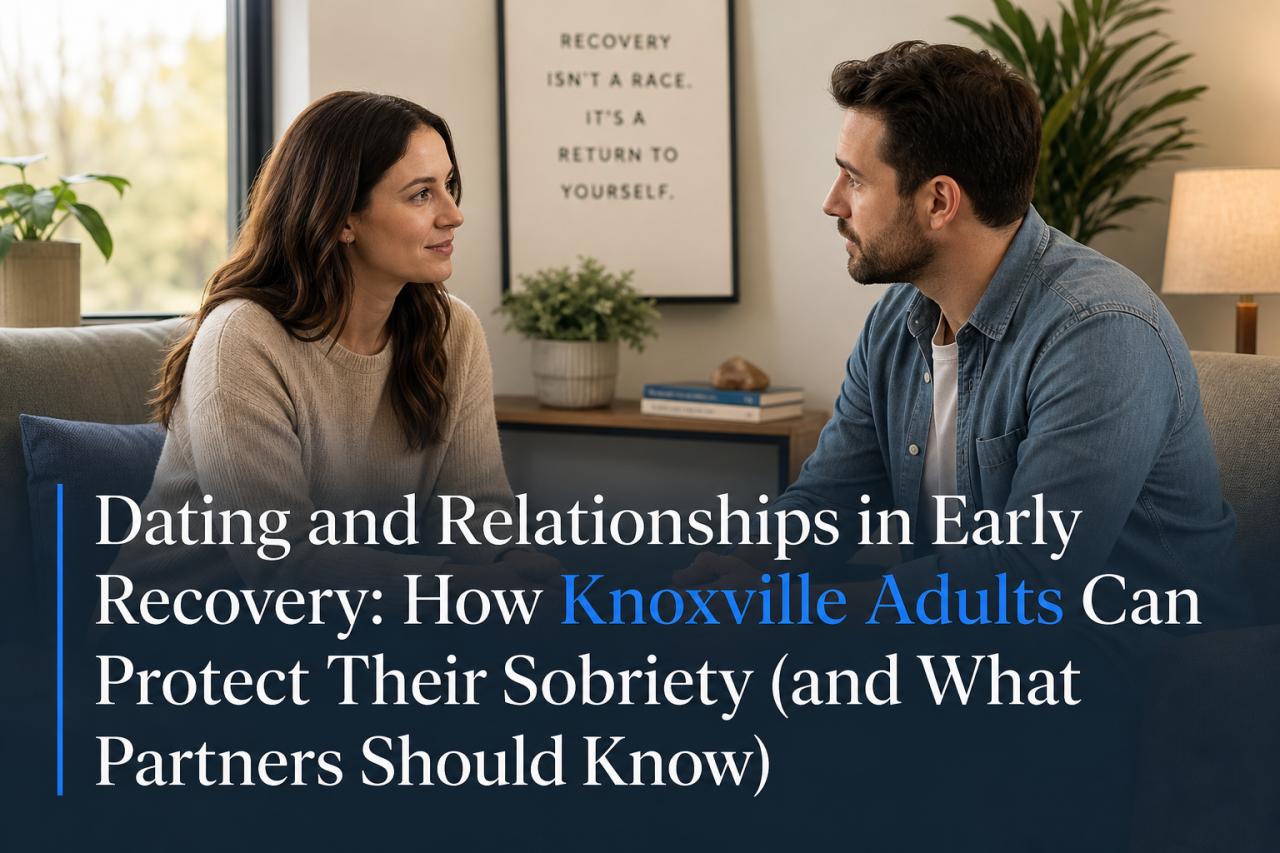
Dating in early recovery can bring excitement, uncertainty, and intense emotions, especially for someone newly sober. After drug and alcohol addiction, entering the dating world may feel like a fresh start, but a new romance can also add stress during the early stages of sobriety. Whether you're considering a first date or rebuilding a romantic or sexual relationship, how can you protect your emotional health while making room for love?
What Is Dating in Early Recovery?
Dating in early recovery refers to starting or maintaining romantic relationships during the initial stages of addiction recovery, often within the first year of sobriety. During this period, individuals focus on managing cravings, developing healthy coping skills, rebuilding emotional stability, and preventing relapse. Dating can provide emotional support and connection, but new relationships may introduce stress, emotional dependency, and relapse triggers. Early recovery involves adjusting to life without drugs or alcohol, which can affect communication, trust, and intimacy. Relying too heavily on a partner or prioritizing dating over addiction treatment can interfere with recovery goals. Healthy boundaries, open communication, and consistent recovery routines can help individuals build relationships while protecting their sobriety.
Why Dating and Relationships Can Be Challenging During Addiction Recovery
Dating during addiction recovery can be challenging because individuals are learning to manage emotions, cravings, and daily responsibilities without drugs or alcohol. New relationships may introduce stress, fear of rejection, trust issues, and disruptions to recovery routines. Partners may also struggle with past substance use, communication problems, or recovery expectations. Early recovery requires consistent treatment, personal accountability, and healthy coping skills. Strong romantic feelings can distract from therapy, support groups, and relapse prevention. Balancing emotional intimacy with recovery goals helps protect sobriety.
How Long Should You Wait Before Dating in Early Recovery?
Many addiction recovery programs recommend waiting approximately one year before starting a new relationship when thinking about dating in recovery, although this is a guideline rather than a medical requirement. The first year of early sobriety often involves managing cravings, identifying triggers, and building emotional stability. Dating too soon may create stress or shift attention away from treatment. Sober dating can affect a person's life in a healthy way, but some recommend waiting at least a year, recognizing that “water seeks its own level” in relationships. There is no universal timeline, and readiness depends on recovery progress, mental health, and relapse risks. A therapist, addiction counselor, or support network can help determine whether dating supports recovery goals.
Signs You Are Ready or Not Ready to Date in Recovery
Signs You May Be Ready
- Consistent participation in treatment or recovery support.
- Ability to manage cravings and emotional triggers.
- Healthy communication and conflict resolution skills.
- Clear personal boundaries and expectations.
- Emotional independence and comfort with being single.
- Willingness to prioritize sobriety.
- You've checked in with your motivations for wanting to start dating.
Signs You May Not Be Ready
- Frequent cravings or difficulty maintaining sobriety.
- Relying on partners for emotional stability.
- Fear of loneliness, rejection, or abandonment.
- Neglecting therapy or recovery routines.
- Difficulty setting boundaries.
- Using relationships to avoid difficult emotions.
How Dating Apps and Online Dating Can Affect Early Recovery
Dating apps may help people in recovery start dating without relying on bars or nightlife. However, rejection, ghosting, social comparison, and pressure to form connections may increase anxiety or loneliness. Alcohol-centered dating activities can also expose individuals to relapse triggers. Setting limits on dating apps, learning to choose settings that support sobriety, and communicating boundaries can reduce these risks. If alcohol comes up on a first date, a simple “I don’t drink” can be enough. Maintaining treatment schedules and personal support systems also helps protect recovery.
How Loneliness, Emotional Dependency, and Codependency Affect Addiction Recovery
Loneliness is common during addiction recovery, especially when individuals leave friendships or environments associated with substance use. Some seek romantic relationships to manage emotional discomfort, and may become preoccupied with a new person and constantly want to spend time with them, leading to dependency on a partner for reassurance or self-worth. These patterns can resemble addictive behaviors even without substance use.
Codependency can develop when individuals prioritize a partner's needs or substance use problems over their own recovery, and it is one of several other factors that can raise relapse risk during early recovery. These patterns may increase anxiety, depression, and relapse risks. Therapy, support groups, and healthy friendships can help build emotional independence.
How Breakups and Relationship Conflict Can Trigger Relapse
Breakups, arguments, and relationship instability can trigger cravings and increase relapse risk for people recovering from alcohol abuse or drug use disorders. People recovering from alcohol addiction may feel tempted to drink, while those recovering from opioid addiction may experience cravings for prescription opioids, heroin, or fentanyl. Individuals recovering from stimulant addiction may experience urges to use cocaine or methamphetamine to cope with emotional distress. If a relationship ends, grief, shame, or loneliness may intensify relapse risk.
Relationship conflict and intense feelings can disrupt sleep, increase anxiety, and weaken coping skills. Therapy, relapse prevention planning, and recovery support groups can help individuals manage emotional triggers without returning to substance use.
Prevalence of Relationship Challenges During Addiction Recovery
Relationship difficulties are common among people with substance use disorders, although no single prevalence rate measures dating challenges during early recovery. Addiction can contribute to conflict, broken trust, financial stress, and poor communication. Research also links substance use disorders with relationship dissatisfaction and intimate partner conflict. The National Institute on Drug Abuse reports that approximately 40% to 60% of people treated for substance use disorders experience a return to substance use, although this statistic does not specifically measure relationship-related relapse. Healthy relationships and ongoing treatment can support recovery, while repeated conflict may increase relapse triggers.
Effects and Risks of Dating Too Soon After Addiction Treatment
**Short-Term**:
- Increased anxiety, stress, and mood swings.
- Stronger cravings for alcohol or drugs.
- Disruptions to therapy and recovery routines.
- Emotional dependency and fear of rejection.
- Poor sleep and difficulty concentrating.
- Exposure to substance use triggers.
- Difficulty maintaining healthy boundaries.
**Long-Term**:
- Increased risk of relapse.
- Codependency and unhealthy relationship patterns.
- Ongoing conflict and trust issues.
- Worsening anxiety, depression, or co-occurring disorders.
- Reduced emotional independence.
- Disconnection from recovery support networks.
- Difficulty maintaining long-term sobriety.
How Anxiety, Depression, Trauma, and Co-Occurring Disorders Affect Relationships
Mental health disorders can affect trust, communication, and emotional stability during addiction recovery. Anxiety may cause excessive worry, depression can lead to emotional withdrawal, and post-traumatic stress disorder (PTSD) may create trust issues. Bipolar disorder, borderline personality disorder (BPD), and social anxiety can also affect mood, attachment, and relationships. When these conditions occur alongside addiction, untreated symptoms may increase conflict and relapse risks. Dual diagnosis treatment addresses both mental health and substance use disorders.
How to Set Healthy Boundaries and Recognize Relationship Red Flags
Healthy boundaries should reflect your own level of stability in recovery by establishing expectations around substance use, communication, independence, and treatment schedules. Partners should respect recovery goals, learn a partner's triggers, and avoid situations that trigger cravings.
Red flags include manipulation, controlling behavior, dishonesty, emotional abuse, pressure to use substances, and isolation from support systems. Someone who respects sobriety without pressure is more likely to be a good match.
How to Rebuild an Existing Romantic Relationship After Addiction
Rebuilding relationships after addiction requires honesty, accountability, patience, and consistent behavior. Past substance use may have damaged trust through dishonesty, financial problems, or broken commitments. Healing an existing dating relationship often requires both people to accept that recovery takes time. Couples counseling and family therapy can improve communication, resolve conflict, and establish healthy boundaries. Trust develops through consistent actions and ongoing recovery. Supporting a loved one can help, but a partner's recovery is still their own responsibility.
How to Date Without Alcohol or Drugs and Support a Partner in Recovery
Sober date ideas in Knoxville can include visiting parks, museums, coffee shops, or outdoor attractions instead of bars or alcohol-centered events. Partners should choose settings that support sobriety and avoid drinking-focused venues. A sober person may also prefer to plan independent transportation and an exit option if a date becomes uncomfortable. A simple “I don’t drink” is often enough on a first date. Choosing substance-free activities and maintaining recovery routines helps reduce relapse risks.
Whether one partner is in recovery and the other is not, partners should avoid enabling behaviors such as covering up substance use, providing money for drugs or alcohol, or ignoring harmful behavior. Healthy support encourages accountability without taking responsibility for another person's sobriety.
Benefits of Healthy Relationships During Addiction Recovery
Healthy relationships can support emotional stability and long-term sobriety. Benefits include:
- Reduced loneliness and isolation.
- Increased emotional support.
- Improved communication and trust.
- Greater motivation for sobriety.
- Healthier coping skills.
- Stronger self-esteem.
- Better recovery accountability.
- Improved relationship stability.
Should You Date Someone Who Drinks or Is Also in Recovery?
Dating someone who drinks may trigger cravings or create conflict, especially during alcohol addiction recovery. If you choose that, honest communication should focus on what the sober person needs to feel safe, and clear boundaries and respect for sobriety are essential.
Dating someone also in recovery can provide shared understanding, but both partners may experience cravings or emotional stress. Independent recovery support helps prevent unhealthy dependency. If a partner relapses, encourage treatment or support groups while maintaining clear boundaries.
When to Seek Help
Professional help may be necessary when relationship problems increase cravings, emotional distress, or relapse risks. Warning signs include missed treatment appointments, hidden substance use, worsening mental health symptoms, and unhealthy boundaries Addiction counseling and dual diagnosis treatment can help address relationship stress, mental health disorders, and relapse prevention.
Treatment Options for Addiction and Relationship Challenges in Early Recovery
Treatment helps individuals manage addiction, mental health symptoms, and relationship challenges. Options include:
- **Medical Detox**: Provides supervised withdrawal management.
- **Residential Treatment**: Offers structured, live-in addiction care.
- **Partial Hospitalization (PHP)**: Provides intensive daytime treatment.
- **Intensive Outpatient Programs (IOP)**: Offer flexible therapy and relapse prevention.
- **Outpatient Treatment**: Provides ongoing counseling and recovery support.
- **Cognitive Behavioral Therapy (CBT)**: Addresses unhealthy thoughts and behaviors.
- **Dialectical Behavior Therapy (DBT)**: Improves emotional regulation and communication.
- **Individual Therapy**: Addresses trauma, codependency, and relationship stress.
- **Couples and Family Therapy**: Help rebuild trust and boundaries.
- **Dual Diagnosis Treatment**: Treats addiction and co-occurring mental health disorders.
- **Medication-Assisted Treatment (MAT)**: Uses approved medications for opioid or alcohol addiction.
- **Recovery Support Groups**: Provide peer support and accountability.
Does Insurance Cover Treatment?
Many insurance plans cover medically necessary addiction and mental health treatment, including residential care, IOP, outpatient counseling, and dual diagnosis services. Couples counseling may have coverage limitations. TennCare and private insurance plans in Tennessee may cover eligible services depending on medical necessity, provider networks, deductibles, and authorization requirements. Checking benefits before treatment helps clarify coverage and costs.
Conclusion
Dating in early recovery requires patience, self care, and a commitment to recovery work. Whether you're managing substance abuse triggers, learning new coping skills, or supporting a romantic partner, building a healthy relationship starts with protecting your own sober life. With mental health care, a supportive partner, and the right treatment program, individuals in Knoxville can build meaningful connections while keeping long-term sobriety a priority.
Seeking Treatment? We Can Help!
At New Hope Healthcare, as an in-network provider we work with most insurance plans, such as:
If you or a loved one are struggling with mental health challenges or substance abuse, seeking treatment and emotional support is crucial. Consulting a doctor can provide the necessary support and guidance for your teen. Reach out to New Hope Healthcare today. Our team of compassionate professionals is here to support your journey towards lasting well-being. Effective medication management is a crucial part of the treatment process to ensure safety and success. Give us a call at 866-799-0806.
FAQs
Is It Safe to Date in Early Recovery?
Dating in early recovery can be safe when a person has stable recovery habits, healthy boundaries, and emotional support. However, new relationships may create stress or distractions that increase relapse risks.
Why Do Recovery Programs Recommend Waiting One Year Before Dating?
Some recovery programs recommend waiting one year to allow people to focus on sobriety, emotional stability, and personal growth. This is a general guideline rather than a strict medical rule.
Can Dating Someone in Recovery Increase Relapse Risks?
Dating someone in recovery does not automatically increase relapse risks. However, shared triggers, relationship conflict, and substance use can threaten sobriety if both partners lack healthy coping skills.
People Also Ask
How Long Should You Stay Single After Getting Sober?
There is no required waiting period, although some recovery programs suggest avoiding new relationships during the first year. Readiness depends on emotional stability, relapse risks, and recovery progress.
What are Healthy Relationship Boundaries in Recovery?
Healthy boundaries include avoiding substance use environments, respecting treatment schedules, communicating openly, and maintaining personal independence. These boundaries help protect sobriety and reduce relationship stress.
How Can You Support a Partner in Early Recovery?
Partners can support recovery by encouraging treatment, respecting boundaries, avoiding enabling behaviors, and maintaining open communication. They should also recognize that each person is responsible for their own recovery.
Sources
More questions about dating in early recovery
When is it safe to start dating in early recovery?
Some recovery programs suggest waiting about a year, and that timeline is a guideline rather than a rule. You and your counselor can decide when a new relationship fits the stability you already have.
How do I know if I'm ready to date?
You're likely ready when you feel emotionally stable, secure in your sobriety, and you aren't dating to fill a void.
What are the risks of dating in early recovery?
Dating in early recovery can bring emotional instability, triggers that threaten sobriety, and codependency. Those risks grow when the relationship takes the place of your support.
Should I tell my partner about my recovery?
Be honest with your partner about your recovery and the boundaries that protect your sobriety. That conversation helps the relationship work around treatment instead of against it.
How can I maintain focus on my recovery while dating?
Keep your therapy appointments and the support you already use, even when a new relationship takes time. Self-care and clear boundaries keep dating from replacing your recovery plan.