Depression and alcohol use are closely connected, affecting mental health, physical health, and daily life in ways that are often difficult to recognize. People experiencing negative feelings, anxiety, or other psychological symptoms may develop unhealthy drinking habits without realizing how alcohol and depression can influence each other. Understanding the risk factors, warning signs, and available mental health services can help individuals in Knoxville, Tennessee, recognize alcohol problems and explore treatment options.
What Is the Connection Between Depression and Alcohol Use?
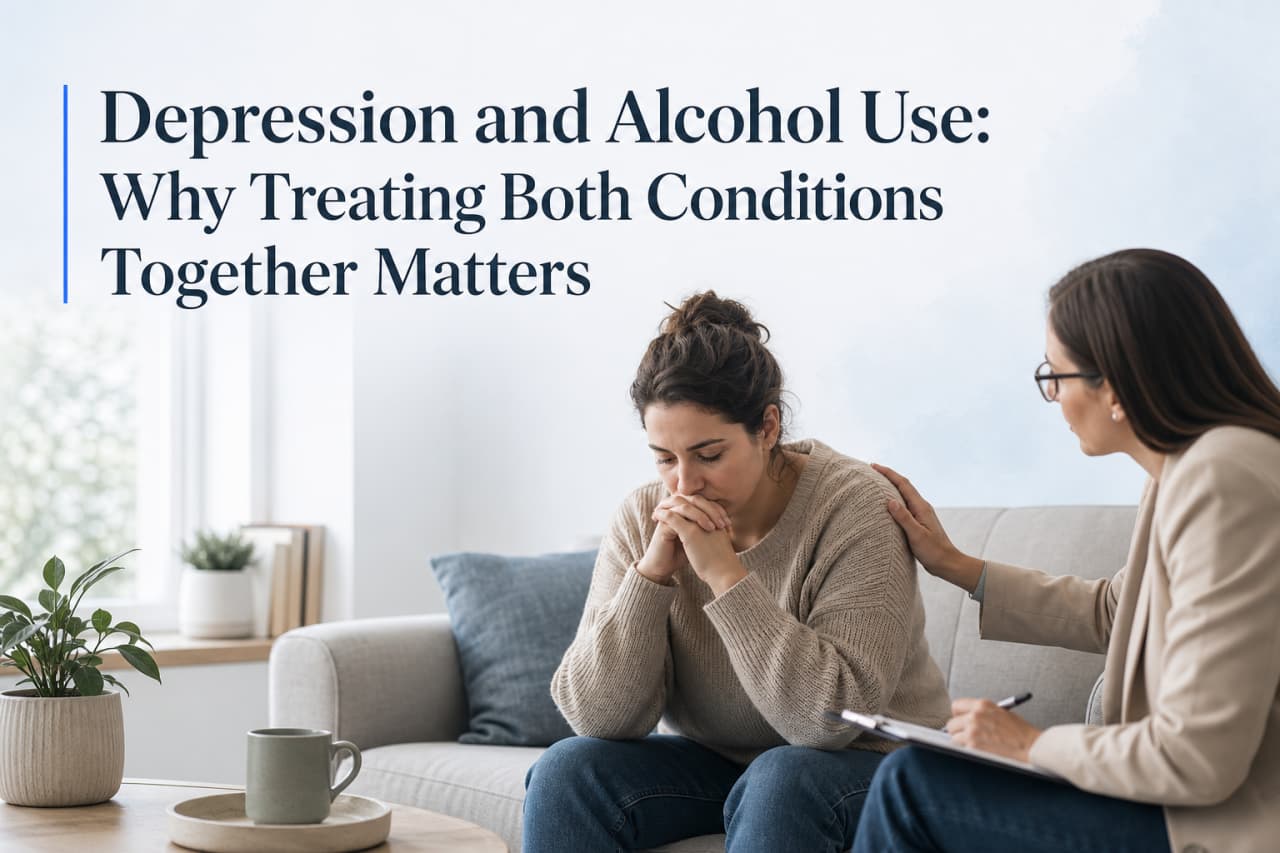
Depression and alcohol use are closely linked because each condition can increase the risk and severity of the other. People with depression may drink alcohol to cope with sadness, hopelessness, stress, or emotional distress, but alcohol can worsen depressive symptoms by affecting brain chemistry, sleep, and emotional regulation. Over time, frequent or heavy drinking can contribute to alcohol dependence and alcohol use disorder (AUD), creating a cycle that makes both conditions harder to manage. This relationship is especially concerning when depression and alcohol addiction occur together, as both conditions can interfere with daily functioning, relationships, and overall mental health. Treating both conditions together can help reduce symptoms, address underlying causes of alcohol misuse, and support long-term recovery. The relationship between depression and alcohol consumption is bidirectional, as each condition can worsen the other.
Why Do People With Depression Turn to Alcohol?
People with depression may turn to alcohol to cope with sadness, loneliness, hopelessness, anxiety, chronic stress, insomnia, or post-traumatic stress disorder (PTSD). Alcohol temporarily affects neurotransmitters involved in mood and reward, creating relaxation or pleasure that encourages self-medication. However, repeated drinking can worsen depressive symptoms, disrupt emotional regulation, and create a cycle of alcohol dependence, tolerance, and withdrawal symptoms such as anxiety, irritability, and insomnia.
This cycle can increase the risk of alcohol use disorder (AUD) and co-occurring substance use disorders involving opioids such as heroin, fentanyl, and prescription painkillers; stimulants such as cocaine and methamphetamine; benzodiazepines such as Xanax and Valium; or cannabis. These substances can increase dependence, withdrawal, and overdose risks, while combining alcohol with opioids or benzodiazepines can cause fatal respiratory depression. Regular self-medication with alcohol can create a cycle of emotional dependence that increases the risk of alcohol use disorder.
How Depression and Alcohol Affect Relationships, Work, and Daily Life
Depression and alcohol misuse can interfere with relationships, employment, family responsibilities, and daily activities. Fatigue, irritability, poor concentration, and impaired judgment can cause conflicts, missed work, reduced productivity, and social isolation. Alcohol-related behavioral changes may also increase financial stress and communication problems. Untreated depression and alcohol addiction can reduce motivation, disrupt sleep, and make daily responsibilities harder to manage. These challenges may increase guilt, hopelessness, and low self-esteem, reinforcing unhealthy drinking patterns.
How Does Alcohol Affect Depression, Brain Chemistry, and Mental Health?
Alcohol is a central nervous system depressant that affects mood, motivation, and emotional regulation. In the brain, alcohol alters GABA, glutamate, dopamine, and serotonin activity, producing temporary relaxation while impairing inhibitions, decision-making, and normal brain function. Clinical and experimental research from the National Institute on Alcohol Abuse and Alcoholism examines how alcohol affects brain chemicals, reward systems, and stress responses, contributing to anxiety, depression, cravings, and emotional instability.
Long-term heavy drinking can impair sleep, memory, and impulse control while worsening major depressive disorder. Needing more alcohol over time may indicate increased tolerance, while hangovers and withdrawal can make anxiety worse after alcohol's calming effects fade.
Signs and Symptoms of Depression and Alcohol Use Disorder
Depression and alcohol use disorder share several emotional and physical symptoms, along with overlapping alcohol-related signs, making co-occurring conditions difficult to recognize. Common warning signs include:
- Persistent sadness, hopelessness, or emptiness
- Loss of interest in enjoyable activities
- Increased drinking or binge drinking, especially among heavy drinkers
- Drinking to manage stress or negative emotions
- Difficulty controlling alcohol consumption
- Fatigue, low energy, and reduced motivation
- Changes in sleep patterns or appetite
- Irritability, mood swings, and anxiety
- Poor concentration and impaired judgment
- Social withdrawal and neglected responsibilities
- Alcohol cravings, tolerance, or withdrawal symptoms
- Feelings of guilt or worthlessness
- Thoughts of self-harm or suicide
Can Alcohol Cause Depression or Make Existing Depression Worse?
Yes, heavy or prolonged alcohol use can cause depressive symptoms and worsen existing depression. Alcohol-induced depressive disorder develops in connection with alcohol intoxication or withdrawal, while major depressive disorder can occur independently of drinking. Both conditions may involve sadness, fatigue, sleep disturbances, and loss of interest.
Alcohol-related depression may improve with sustained abstinence, but underlying depressive disorders often require continued treatment. Therapy, medication management, and integrated care can help address both conditions.
Prevalence of Co-Occurring Depression and Alcohol Use Disorders
Depression and alcohol use disorder frequently occur together, with research suggesting people with alcohol use disorder are approximately 2.3 times more likely to experience major depression. Some people are genetically susceptible, while family history, chronic stress, trauma, and other mental health conditions increase risk. Co-occurring disorders can worsen symptoms, impair daily functioning, and increase relapse risk, making screening important. Clinical and experimental research in general psychiatry examines depression, alcohol dependence, and shared risk factors. Some studies report that over 80% of people with alcoholism experience periods of sadness, while more than one-third experience severe depression or anxiety symptoms and approximately 40% report panic attacks.
Effects and Risks of Depression and Alcohol Use
Short-Term:
- Increased sadness, anxiety, and mood swings
- Impaired judgment, memory, and coordination
- Sleep disturbances, fatigue, and irritability
- Increased risk of accidents and injuries
- Relationship conflicts and social withdrawal
- Increased risk of self-harm and alcohol poisoning
Long-Term:
- Worsening depression and chronic anxiety
- Alcohol dependence and alcohol use disorder
- Changes in brain function and cognitive impairment
- Liver disease and cardiovascular problems
- Relationship breakdowns and financial difficulties
- Increased risk of other substance use disorders
- Higher risk of suicide and severe alcohol withdrawal
- Increased relapse risk without treatment
Even an average strength beer can contribute to weight gain, while severe symptoms may require crisis intervention, pharmacological treatments, or certain medications.
How Alcohol Withdrawal Affects Depression and Mental Health
Alcohol withdrawal can worsen depression, anxiety, irritability, and emotional instability when someone reduces alcohol use or is stopping drinking after developing physical dependence. Symptoms may begin within 6 to 24 hours and include insomnia, mood swings, restlessness, and difficulty concentrating, and some people may also experience panic attacks, while severe withdrawal can cause hallucinations, seizures, or delirium tremens requiring immediate medical attention. Depressive symptoms may improve after a few weeks of sustained sobriety, but underlying mental health disorders often require continued treatment, and people at risk of alcohol withdrawal should seek medical guidance before stopping abruptly if symptoms persist.
Understanding Dual Diagnosis and Co-Occurring Mental Health Disorders
Dual diagnosis occurs when someone has both a mental health disorder and a substance use disorder, such as depression and alcohol use disorder (AUD). Common co-occurring conditions include major depressive disorder (MDD), persistent depressive disorder (dysthymia), generalized anxiety disorder (GAD), post-traumatic stress disorder (PTSD), bipolar disorder, social anxiety disorder, panic disorder, and borderline personality disorder (BPD). These conditions can involve persistent sadness, excessive worry, trauma-related symptoms, mood instability, impulsivity, and difficulty maintaining relationships, while co-occurring alcohol addiction can worsen symptoms and increase relapse risk. Postpartum depression and other mental health disorders may occur alongside alcohol misuse or drug abuse, increasing the risk of psychological symptoms and physical health problems.
Why Treating Depression and Alcohol Addiction Together Matters
Depression and alcohol addiction can reinforce each other, making recovery difficult when only one condition receives treatment. Depression can increase alcohol cravings, while drinking can worsen mood, sleep, and emotional regulation. Untreated symptoms may increase relapse risk and interfere with daily functioning.
Integrated dual diagnosis treatment addresses both conditions through therapy, medication management when appropriate, and relapse prevention strategies. This approach supports improved mental health, reduced alcohol use, and long-term recovery.
The Link Between Depression, Alcohol Use, and Suicide Risk
Depression and alcohol misuse both increase the risk of suicidal thoughts, attempts, and suicide-related deaths. Alcohol can impair judgment, increase impulsivity, and intensify hopelessness, especially among people with severe depression or previous suicide attempts, and ongoing depression with alcohol-related problems may signal a poorer prognosis and higher suicide risk. Warning signs include social withdrawal, increased drinking, talking about death, or expressing hopelessness. Anyone experiencing suicidal thoughts can call or text 988 for immediate crisis support, while immediate danger requires emergency medical care.
Benefits of Integrated Mental Health and Addiction Treatment
Integrated treatment addresses depression and alcohol use disorder together, offering benefits such as:
- Reduced depressive symptoms and alcohol consumption
- Improved emotional regulation and stress management
- Lower relapse risk
- Better identification of triggers
- Coordinated therapy and medication management
- Stronger coping skills and daily routines
- Improved relationships and daily functioning
- Greater long-term recovery support
Coping Strategies and Relapse Prevention for Long-Term Recovery
Managing depression and alcohol use disorder requires ongoing mental health care, healthy coping strategies, and relapse prevention. Helpful approaches include:
- Attending regular therapy and counseling
- Identifying emotional triggers and alcohol cravings
- Practicing mindfulness, breathing exercises, and stress management when alcohol makes anxiety worse
- Maintaining healthy sleep and exercise routines
- Building supportive relationships
- Avoiding high-risk situations where you regularly drink
- Attending AA or SMART Recovery meetings
- Following prescribed medication plans
- Developing a relapse prevention plan and maintaining alcohol-free weeks when medically safe
Recognizing changes in mood, behavior, and cravings helps prevent setbacks. The NHS website offers guidance on drinking habits, reducing alcohol consumption, and accessing support for alcohol-related problems.
When to Seek Help
Professional treatment may be necessary when depression and alcohol use affect relationships, employment, emotional health, or daily responsibilities. Warning signs include persistent sadness, increased drinking, difficulty controlling alcohol use, withdrawal symptoms, or drinking to manage emotional distress. If depression continues for several weeks after reducing or stopping alcohol, seek professional help, as a clinician may recommend counseling, CBT, or a self-help group. Severe withdrawal symptoms, suicidal intent, or immediate safety concerns require urgent medical attention.
Treatment Options for Co-Occurring Depression and Alcohol Use Disorder
Treatment often combines mental health care, addiction services, and recovery support. Common options include:
- **Medical Detox**: Supervised alcohol withdrawal management.
- **Cognitive Behavioral Therapy (CBT)**: Addresses negative thoughts, depression, and drinking behaviors.
- **Dialectical Behavior Therapy (DBT)**: Develops emotional regulation and distress tolerance skills.
- **Medication Management**: Antidepressants for depression and medications such as naltrexone or acamprosate for alcohol use disorder.
- **Individual Counseling**: Addresses emotional triggers and recovery goals.
- **Group Therapy**: Provides peer support and coping strategies.
- **Intensive Outpatient Programs (IOP)**: Structured treatment while living at home.
- **Partial Hospitalization Programs (PHP)**: Intensive daytime mental health and addiction care.
- **Residential Treatment**: Structured care with overnight stays.
- **Aftercare and Peer Support**: Ongoing therapy, AA, SMART Recovery, and relapse prevention.
Does Insurance Cover Depression and Alcohol Addiction Treatment?
Many health insurance plans cover medically necessary depression and alcohol addiction treatment, including therapy, medication management, IOP, PHP, residential care, and detox. Coverage depends on the insurance provider, medical necessity, and specific policy benefits. In Tennessee, private insurance, Medicare, and TennCare Medicaid may cover eligible mental health and substance use disorder services. Patients should verify deductibles, copayments, provider networks, and authorization requirements before treatment.
Conclusion
Depression and alcohol use disorder can create ongoing mental health problems, especially when alcohol abuse, substance abuse, or co-occurring mental illness goes untreated. Research shows that integrated care combining medical treatment, antidepressant medications when appropriate, behavioral therapy, and alcohol support services can help address both conditions. With guidance from healthcare professionals, support groups such as Alcoholics Anonymous, and ongoing relapse prevention, individuals can improve their drinking habits, manage depressive symptoms, and support long-term recovery.
Seeking Treatment? We Can Help!
At New Hope Healthcare, as an in-network provider we work with most insurance plans, such as:
If you or a loved one are struggling with mental health challenges or substance abuse, seeking treatment and emotional support is crucial. Consulting a doctor can provide the necessary support and guidance for your teen. Reach out to New Hope Healthcare today. Our team of compassionate professionals is here to support your journey towards lasting well-being. Effective medication management is a crucial part of the treatment process to ensure safety and success. Give us a call at 866-799-0806.
FAQs
Can alcohol make depression worse?
Yes. Alcohol is a central nervous system depressant that can worsen depressive symptoms, disrupt sleep, and increase anxiety, especially with frequent or heavy use.
Can depression and alcohol use disorder be treated together?
Yes. Integrated dual diagnosis treatment addresses depression and alcohol use disorder through therapy, medication when appropriate, and ongoing mental health support.
Can depression improve after quitting alcohol?
Yes. Depression symptoms may improve after stopping alcohol, particularly when alcohol contributes to low mood. However, some people need continued treatment for an underlying depressive disorder.
People Also Ask
What is the relationship between depression and alcoholism?
Depression and alcohol use disorder can reinforce each other. People may drink to manage depression, while alcohol can worsen symptoms and increase dependence.
What are the risks of drinking alcohol while depressed?
Alcohol can increase emotional distress, impulsive behavior, sleep problems, and suicidal thoughts. Heavy drinking also raises the risk of alcohol dependence and other health problems.
What is the best treatment for depression and alcohol addiction?
Integrated treatment that addresses both conditions is generally recommended. Options include cognitive behavioral therapy (CBT), medication management, intensive outpatient programs (IOP), and relapse prevention support.
SourcesSources