
Blog
October 16, 202611 min read
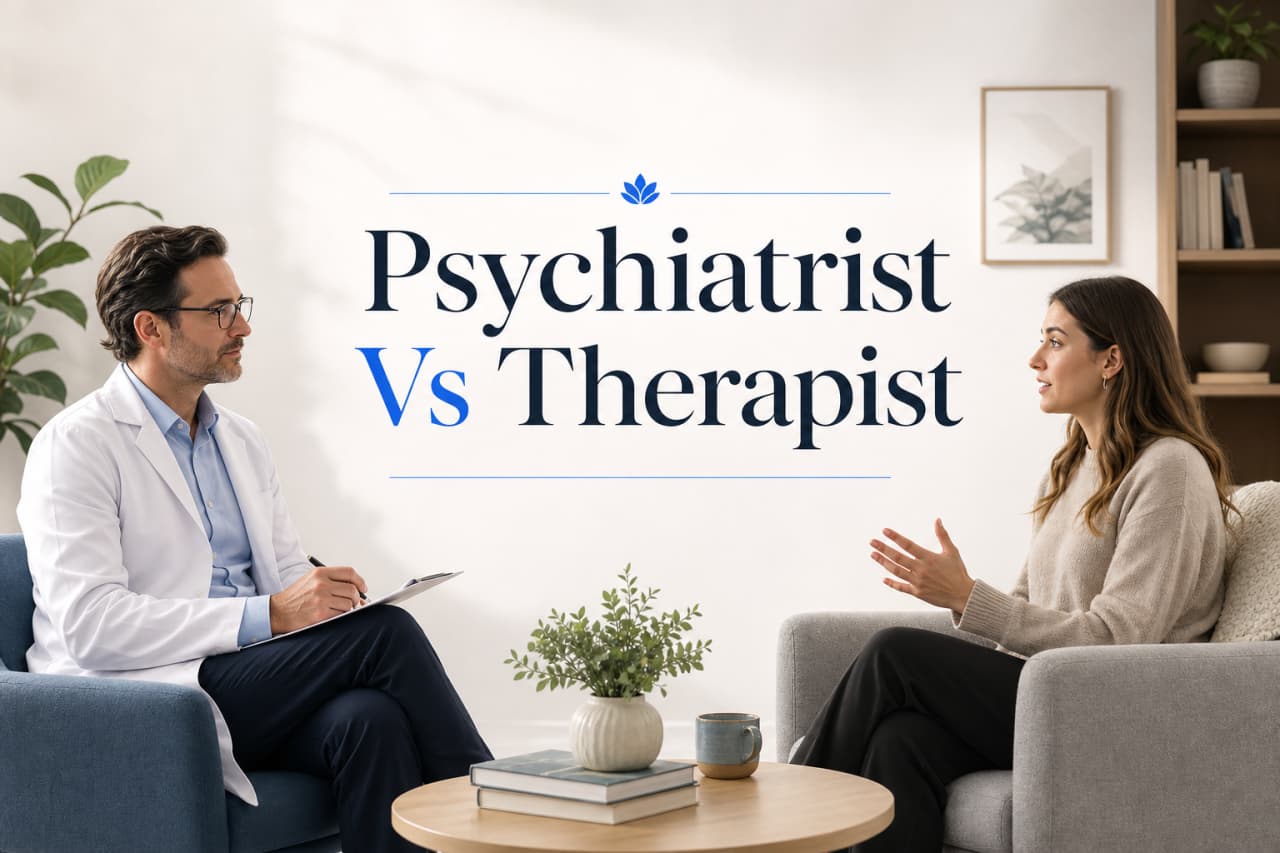
Psychiatrist Vs Therapist
Compare psychiatrist vs therapist roles, learn what psychologists do, and find out how medication, counseling, and dual diagnosis care can support your recovery.
NHH
New Hope HealthHIPAA-compliant · Same-day admissions available
Learn how nitrous oxide abuse treatment can help address whippets misuse, nerve damage, and health risks, plus when to seek medical care and recovery support.
New Hope Health
Editorial Team
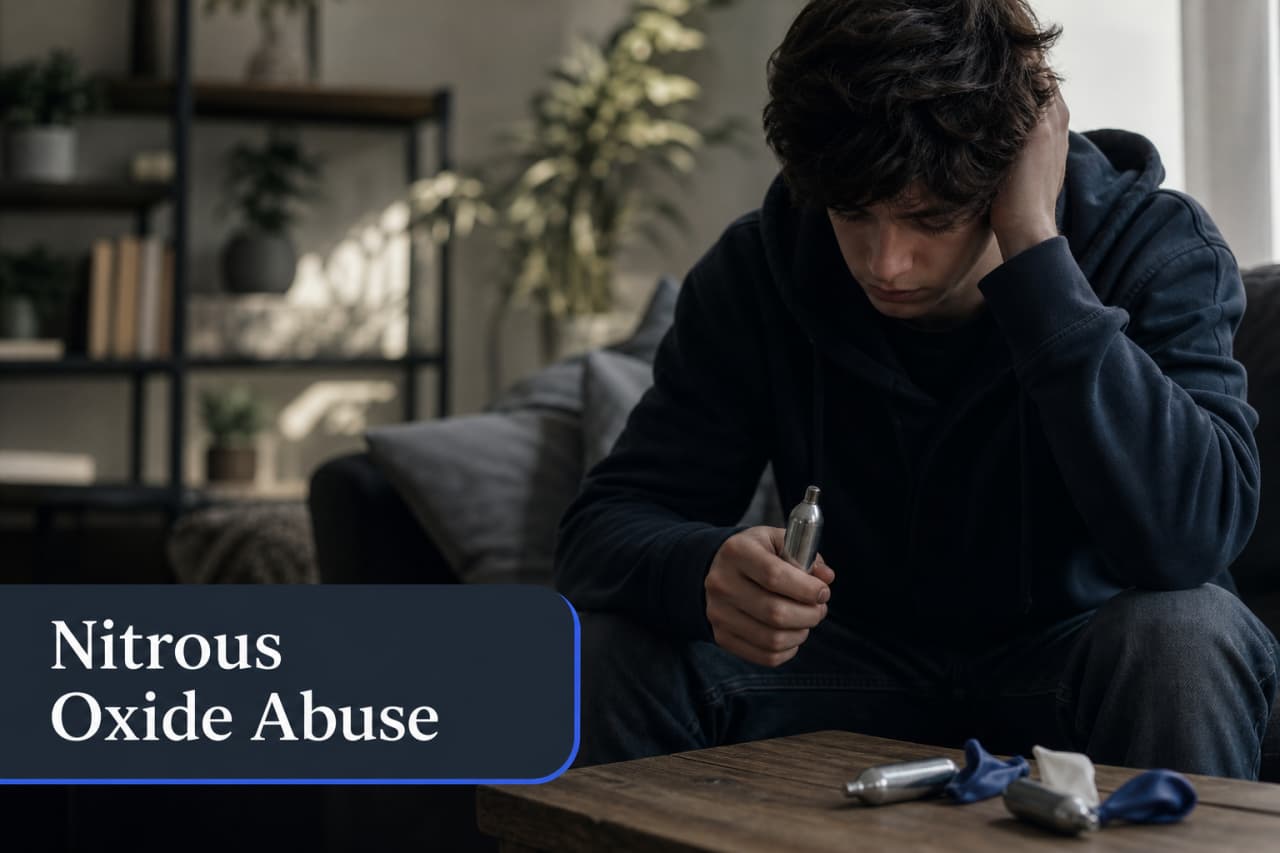
Nitrous oxide abuse involves the use of nitrous oxide, a medical anesthetic and sedative also used as a foaming agent in the food industry, that is increasingly misused recreationally for its rapid onset of euphoria and hallucinogenic effects. High-dose exposure, especially when combined with other drugs, can cause nitrous oxide toxicity, hypoxia from not getting enough oxygen, neurologic abnormalities, and potentially death. Repeated substance abuse can also disrupt vitamin B12 function, even when blood levels appear within the normal range, increasing the risk of nerve damage and subacute combined degeneration of the spinal cord.
Nitrous oxide abuse involves inhaling nitrous oxide, commonly called laughing gas, to experience short-term euphoric and dissociative effects. Nitrous oxide is a colorless gas used medically for sedation and pain relief and commercially in whipped cream chargers, often called whippets.
People misuse nitrous oxide by inhaling it from balloons, cartridges, or other pressurized products, a common form in which it is inhaled to produce brief feelings of relaxation, dizziness, and altered perception. Gas released from pressurized containers can cause cold burns or frostbite injuries to the mouth and throat.
Recreational use is often driven by its wide availability at stores and online, rapid effects, and perceived safety. However, repeated nitrous oxide misuse can lead to psychological dependence, oxygen deprivation, vitamin B12 dysfunction, nerve damage, and other serious health complications. Nitrous oxide abuse is a growing public health concern due to its recreational misuse and risk of neurological damage.
People abuse nitrous oxide because it produces rapid, short-lived feelings of euphoria, relaxation, and altered perception. Curiosity, peer pressure, stress, anxiety, and emotional distress can contribute to recreational use. Its low cost, availability in whipped cream chargers, and perceived safety may encourage repeated misuse.
Frequent nitrous oxide abuse can interfere with work, school, relationships, and daily responsibilities. Individuals may miss work, struggle with concentration, neglect personal hygiene, spend excessive money on whippets, or withdraw from family and friends. Memory problems, poor coordination, and nerve damage can also affect driving, walking, and routine activities.
Nitrous oxide misuse may worsen anxiety, depression, and existing mental health conditions. Some users experience paranoia, irritability, hallucinations, or social isolation, while compulsive use can cause financial problems, relationship conflicts, and loss of trust.
Nitrous oxide affects the central nervous system by altering NMDA receptor activity, which influences memory, perception, and brain function. Short-term nitrous oxide effects can include euphoria, dizziness, impaired judgment, and dissociation, while oxygen deprivation increases the risk of fainting and injury. Repeated exposure can disrupt vitamin B12 function, damaging nerves and affecting coordination, sensation, and movement.
Yes, repeated nitrous oxide abuse can cause psychological dependence, cravings, and compulsive use because it is a recreational drug as well as an inhalant. Like other inhalants, such as aerosol sprays, solvents, and gases, nitrous oxide can produce short-lived intoxicating effects that encourage repeated use.
It has also been described as the 7th most popular drug globally. Individuals may also misuse nitrous oxide alongside alcohol, cannabis, cocaine, or other recreational drugs, increasing the risk of harmful interactions, impaired judgment, and injury.
Some users report anxiety, irritability, and sleep disturbances after stopping, although a consistent physical withdrawal syndrome has not been established.
Repeated nitrous oxide exposure can inactivate vitamin B12, disrupting nerve function and causing neurological damage. Symptoms include numbness, tingling, muscle weakness, poor balance, and difficulty walking, sometimes progressing to spinal cord damage.
Severe cases may cause permanent neurological complications, even when standard blood tests show normal vitamin B12 levels. Early treatment may include stopping nitrous oxide use, vitamin B12 injections, neurological assessment, and physical rehabilitation.
Common warning signs of nitrous oxide abuse include:
Nitrous oxide abuse is a growing concern, though Tennessee-specific data remain limited. SAMHSA reported 2.6 million Americans aged 12 and older used inhalants in 2023, including nitrous oxide, with rates of 2.2% among adolescents aged 12–17 and 2.0% among young adults aged 18–25.
National poison center reports of nitrous oxide misuse rose from 28 in 2003 to 401 in 2024, with 29% requiring hospitalization. These figures reflect broader inhalant use or reported exposures, not total nitrous oxide use.
Michigan reported a four- to fivefold increase in related emergency visits from 2019 to 2023 and 14 fatalities, raising concerns about availability and regulation.
Research attributed to Cameron J., Li L., and Ma X. in publications identified as the International Journal and Shanghai Archives addresses neurological damage and toxicity as key words.
Nitrous oxide abuse can occur alongside major depressive disorder, generalized anxiety disorder, panic disorder, post-traumatic stress disorder (PTSD), bipolar disorder, and other substance use disorders.
Some individuals use nitrous oxide to cope with stress, trauma, or emotional distress, but repeated misuse can worsen anxiety, depression, mood instability, and daily functioning.
Heavy nitrous oxide use can also cause paranoia, hallucinations, delusions, and psychosis, sometimes associated with vitamin B12 dysfunction. Professional assessment helps distinguish substance-induced psychiatric symptoms from underlying mental health disorders.
Nitrous oxide does not have a well-established physical withdrawal syndrome, but frequent users may experience cravings, anxiety, irritability, restlessness, low mood, and sleep disturbances after stopping.
Psychological dependence can make quitting difficult, especially when nitrous oxide is used to cope with stress. Behavioral therapy can help manage cravings, triggers, and compulsive use.
Adolescents and young adults may face increased exposure through experimentation, peer influence, and access to nitrous oxide products. However, misuse can affect anyone.
Common risk factors include:
Healthcare professionals assess nitrous oxide abuse through substance use history, cravings, behavioral changes, mental health symptoms, and physical examinations.
Medical testing may include vitamin B12, methylmalonic acid, neurological assessments, and MRI scans when nerve or spinal cord damage is suspected. Because nitrous oxide can impair vitamin B12 function despite normal blood levels, additional testing may be necessary.
Professional treatment can help individuals manage substance use, address mental health concerns, and support recovery.
Long-term recovery focuses on stopping nitrous oxide use, managing cravings, and addressing triggers through cognitive behavioral therapy (CBT), counseling, and support groups.
Individuals with co-occurring anxiety, depression, or PTSD may also need ongoing mental health treatment. Recovery may require continued monitoring for vitamin B12 dysfunction, nerve damage, and mobility problems.
Structured outpatient care, family support, and healthy routines can help reduce relapse risk.
Family members can help by recognizing warning signs, discussing concerns without judgment, and encouraging professional treatment.
Changes such as frequent whippet use, mood instability, financial problems, numbness, or neglected responsibilities may indicate a need for help.
Avoid enabling substance use, establish healthy boundaries, and encourage medical evaluation when neurological symptoms appear. Family counseling and recovery support can also improve communication and treatment engagement.
Seek professional help when nitrous oxide use becomes frequent, difficult to control, or begins affecting health, relationships, or daily responsibilities.
Numbness, tingling, muscle weakness, and balance problems require prompt medical evaluation because neurological damage can progress.
Severe confusion, seizures, difficulty breathing, loss of consciousness, or sudden inability to walk requires emergency medical attention.
Treatment depends on substance use severity, neurological complications, and co-occurring mental health conditions. Options include:
Assessing neurological damage and vitamin B12 dysfunction.
Treating functional deficiency and supporting nerve recovery.
Managing cravings, triggers, and substance use behaviors.
Building motivation to stop nitrous oxide use.
Developing coping skills and recovery support.
Dual Diagnosis Treatment addresses addiction alongside anxiety, depression, or PTSD.
Structured treatment while living at home.
Higher-level care for individuals needing additional support.
Ongoing counseling, support groups, and aftercare.
No medication is specifically approved to treat nitrous oxide use disorder.
Many insurance plans cover medically necessary addiction treatment, including counseling, behavioral therapy, intensive outpatient programs (IOP), residential treatment, and mental health services.
Private insurance, Medicaid, and TennCare may provide coverage depending on eligibility, medical necessity, and plan benefits. Coverage may also include vitamin B12 testing, neurological evaluations, and treatment for related complications.
Patients should verify deductibles, copayments, provider networks, and authorization requirements before starting treatment.
Nitrous oxide abuse is dangerous because repeated exposure can cause lasting neurologic disease, psychological dependence, and serious medical complications.
Research published in emergency medicine and neurology journals, including systematic review findings, highlights the need for early recognition of nitrous oxide toxicity and related abnormalities.
Medical professionals can assess neurological damage, provide appropriate medical treatment, and recommend addiction counseling or psychiatric care to support recovery and prevent further harm.
At New Hope Healthcare, as an in-network provider we work with most insurance plans, such as:
If you or a loved one are struggling with mental health challenges or substance abuse, seeking treatment and emotional support is crucial.
Consulting a doctor can provide the necessary support and guidance for your teen. Reach out to New Hope Healthcare today. Our team of compassionate professionals is here to support your journey towards lasting well-being.
Effective medication management is a crucial part of the treatment process to ensure safety and success.
Give us a call at 866-799-0806.
Yes. Repeated nitrous oxide abuse can disrupt vitamin B12 function, causing nerve damage, numbness, weakness, and difficulty walking. Some neurological damage may be permanent without early treatment.
Yes. Nitrous oxide can cause psychological dependence, cravings, and compulsive use, even though physical dependence is less established.
Treatment may include medical evaluation, vitamin B12 replacement when needed, behavioral therapy, addiction counseling, and relapse prevention.
Common warning signs include dizziness, confusion, frequent whippet use, cravings, numbness, poor coordination, and changes in behavior.
Nitrous oxide leaves the body quickly, usually within minutes after exposure ends. However, neurological complications from repeated misuse can last much longer.
Seek medical care for repeated use, cravings, numbness, weakness, or balance problems. Severe confusion, difficulty breathing, or loss of consciousness requires emergency medical attention.
In This Article
Tags
Compare psychiatrist vs therapist roles, learn what psychologists do, and find out how medication, counseling, and dual diagnosis care can support your recovery.

Learn how alcohol cancer risk changes with drinking, which cancers are linked to alcohol, and when to seek support for reduced drinking or treating alcohol use.
Adolescent Opioid Use Disorder in Tennessee: When Medication Treatment and Family Support Belong Together The opioid crisis continues to affect young.

for Anxiety and Addiction in Knoxville: How ACT Supports Recovery Acceptance and commitment therapy offers a different.

Learn how alcohol-associated liver disease and alcohol use disorder treatment can work together with medical care, counseling, medication, and recovery support.

42 CFR Part 2 and Addiction Treatment Privacy in Knoxville: What Patients and Families Should Know Addiction treatment confidentiality can be a major.
New Hope Healthcare Institute offers confidential admissions support for addiction and mental health care—adults and teens—in Knoxville. Call or text 24/7. Verification is not a guarantee of coverage or admission.