Psychiatrist, Psychologist, or Therapist? A Knoxville Guide to Choosing Mental Health Care When Substance Use Is Also a Concern
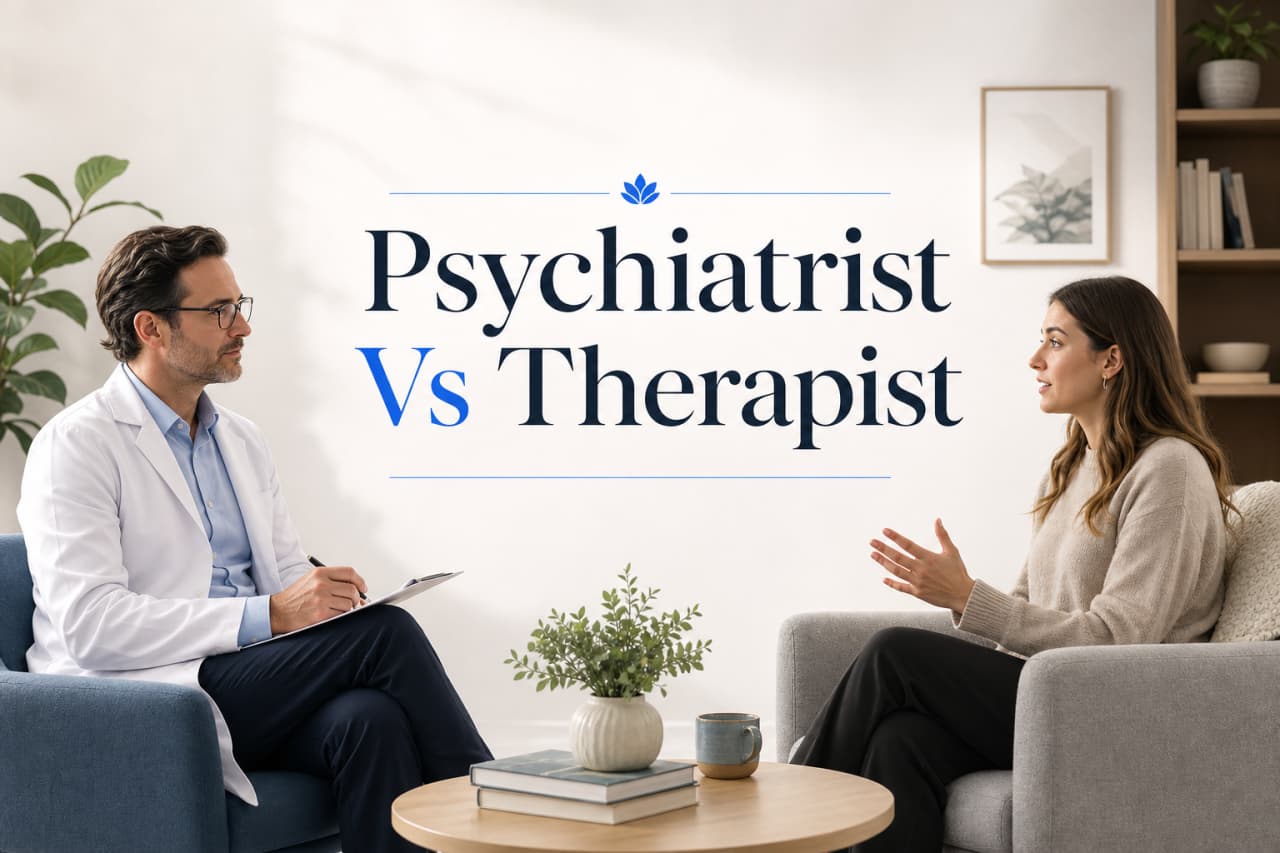
Understanding the differences between a psychiatrist vs therapist can help you choose the right mental health provider for your needs. Psychiatrists attend medical school and complete about twelve years of education and training, including four years of medical school and a four-year residency, plus clinical training to diagnose mental health conditions and provide medical treatment; unlike therapists, they are medical doctors. Whether you face anxiety symptoms, relationship challenges, substance use, or other mental health issues, knowing your options can help you access appropriate mental health services in Knoxville, Tennessee.
What Is the Difference Between a Psychiatrist, Psychologist, and Therapist?
The main difference between a psychiatrist, psychologist, and therapist is their education, training, and approach to mental health treatment. A psychiatrist is a medical doctor who diagnoses mental health disorders, prescribes medication, and manages psychiatric care. A psychologist typically holds a doctoral degree and specializes in psychological testing, diagnosis, and psychotherapy. A therapist is a broader term for mental health professionals who provide counseling and behavioral therapy to treat anxiety, depression, trauma, and substance use disorders.
While psychiatrists often focus on medication management, psychologists and therapists use approaches such as cognitive behavioral therapy (CBT) to address emotional and behavioral challenges. These professionals may work together to treat co-occurring mental health and addiction concerns.
What Does a Psychologist or Therapist Do?
Psychologists and therapists help people manage mental health conditions, as well as life transitions, relationship struggles, and grief, through counseling and behavioral therapy.
Psychologists specialize in psychological testing, diagnosis, and psychotherapy, while therapists focus on counseling, coping skills, and changing unhealthy behaviors, with providers such as professional counselors and social workers often offering this care in hospitals, schools, clinics, or private practice.
Both treat anxiety, depression, PTSD, and substance use disorders through individual therapy, group therapy, and approaches like cognitive behavioral therapy (CBT).
Other mental health professionals, including a licensed professional counselor or licensed marriage and family therapist, typically complete a master's degree, supervised clinical practice, and specialized training in behavioral interventions to support emotional well being, while primary care providers and adolescent psychiatry specialists address additional medical needs.
Psychiatrist vs. Therapist: Key Differences in Treatment, Training, and Medication
Psychiatrists are medical doctors with specialized psychiatric and medical training, while therapists typically hold master's or doctoral degrees in counseling, psychology, or social work.
Psychiatrists diagnose mental health disorders, prescribe medication, and manage psychiatric care, while therapists primarily provide psychotherapy and behavioral treatment.
Compared with therapy licenses, psychology is often a middle ground that requires more schooling but less medical training, while becoming a psychiatrist requires roughly twelve years of post-secondary education. Some psychiatrists provide talk therapy, but many mainly focus on medication management.
What Mental Health Conditions Do Psychiatrists, Psychologists, and Therapists Treat?
Psychiatrists, psychologists, and therapists treat conditions such as anxiety disorders, depression, bipolar disorder, PTSD, obsessive-compulsive disorder (OCD), personality disorders, and eating disorders.
They also address substance use disorders and co-occurring mental health conditions through psychotherapy, psychiatric medication, and behavioral health treatment.
Signs and Symptoms That You May Need Professional Mental Health Care
Mental health symptoms can affect emotions, physical health, relationships, and daily functioning. Common warning signs include:
- Persistent sadness, hopelessness, or depression
- Excessive anxiety, worry, or panic attacks
- Mood swings, anger, or irritability
- Changes in sleep or appetite
- Difficulty concentrating or making decisions
- Social withdrawal or loss of interest
- Fatigue or unexplained physical symptoms
- Difficulty managing stress or relationships
- Increased alcohol or drug use
- Thoughts of self-harm or suicide
When Should You See a Psychiatrist Instead of a Therapist?
Consider seeing a psychiatrist when symptoms are severe, medication may be needed, therapy alone is not enough, or current treatment is ineffective.
Psychiatrists evaluate conditions such as bipolar disorder, severe depression, and schizophrenia that may require medication or medical monitoring. Psychiatrists can prescribe medication in all U.S. states.
Therapists focus on counseling and behavioral concerns and generally cannot prescribe medication; if you need medication, ask whether a therapist prescribe medication in your state or consider a primary care physician, primary care doctors, or a psychiatric nurse practitioner, while people with co-occurring mental health and substance use disorders may benefit from both.
Prevalence of Mental Health Disorders in the United States and Tennessee
Mental health disorders affect millions of Americans, including people in Knoxville and across Tennessee.
According to the National Institute of Mental Health (NIMH), 59.3 million U.S. adults, or 23.1%, experienced mental illness in 2022, with the highest prevalence among adults ages 18–25.
Tennessee also faces significant mental health treatment needs involving anxiety, depression, serious mental illness, and co-occurring substance use disorders.
SAMHSA's 2023–2024 state estimates track these conditions and highlight the need for accessible psychiatric care, counseling, and addiction treatment.
Effects and Risks of Untreated Mental Health Disorders
Short-Term Effects
- Increased anxiety, sadness, or irritability
- Sleep problems and fatigue
- Difficulty concentrating
- Reduced work or school performance
- Relationship conflicts and social withdrawal
- Increased alcohol or drug use
Long-Term Effects
- Worsening mental health symptoms
- Chronic sleep and physical health problems
- Substance use disorders and addiction
- Employment and relationship difficulties
- Reduced quality of life
What Are Co-Occurring Mental Health and Substance Use Disorders?
Co-occurring disorders, also called dual diagnosis, occur when someone has both a mental health disorder and a substance use disorder.
Examples include depression and alcohol use disorder, anxiety and benzodiazepine addiction, PTSD and opioid use disorder, or bipolar disorder and stimulant addiction. These conditions can worsen each other, increasing symptoms, cravings, and relapse risks.
People may use alcohol or drugs to manage emotional distress, while repeated substance use can worsen psychiatric symptoms.
Integrated dual diagnosis treatment addresses both conditions through psychotherapy, psychiatric care, medication management, and addiction counseling.
How Alcohol and Drug Use Affect Anxiety, Depression, and Other Mental Health Conditions
Alcohol and drug use can worsen mental health symptoms by affecting brain chemistry, sleep, and mood regulation.
Alcohol can increase depression and anxiety, stimulants like cocaine and methamphetamine may trigger paranoia or psychosis, and cannabis can worsen anxiety in some people.
Opioids and benzodiazepines can cause dependence, withdrawal symptoms, and mood disturbances. Continued substance use may also interfere with psychiatric treatment, increase emotional instability, and raise relapse risks.
How Psychiatrists and Therapists Treat Co-Occurring Mental Health and Substance Use Disorders
Psychiatrists and therapists work together to treat dual diagnosis conditions through integrated mental health and addiction care.
Psychiatrists evaluate symptoms, prescribe medication, and monitor treatment, while therapists provide counseling, coping skills, and relapse prevention.
Treatment may include cognitive behavioral therapy (CBT), motivational interviewing, group therapy, and medications for alcohol or opioid use disorder.
Treating both conditions together can improve mental health symptoms, reduce substance use, and support long-term recovery.
What Types of Therapy Are Used for Mental Health and Addiction Treatment?
Common treatments include cognitive behavioral therapy (CBT) to change harmful thought patterns, dialectical behavior therapy (DBT) to improve emotional regulation, and motivational interviewing (MI) to build motivation for recovery.
Other approaches include trauma-focused therapy, contingency management, individual counseling, group therapy, and family therapy.
These treatments help manage anxiety, depression, trauma, cravings, and relapse risks while developing healthier coping skills.
Benefits of Psychiatric Medication and Psychotherapy for Mental Health Treatment
Psychiatric medication and psychotherapy can reduce symptoms and improve daily functioning. Key benefits include:
- Reduced anxiety, depression, and mood symptoms
- Improved emotional regulation and coping skills
- Better sleep, concentration, and daily functioning
- Reduced substance use triggers and relapse risks
- Healthier relationships and communication
- Improved treatment engagement and recovery
- Ongoing symptom and medication monitoring
What to Expect During Your First Psychiatrist or Therapy Appointment
Your first appointment typically includes a psychiatric evaluation, an in-depth review of symptoms, medical history, medications, and treatment recommendations.
A psychiatrist evaluates medication needs, while a therapist explores emotions, behaviors, and coping strategies.
Both may ask about substance use, previous treatment, and how symptoms affect daily life to develop an appropriate treatment plan.
Can You See a Psychiatrist and Therapist at the Same Time?
Yes. Many people see both a psychiatrist and therapist for coordinated mental health treatment, and some also work with mental health nurse practitioners as part of coordinated care when that fits the role and setting.
Psychiatrists manage medication and medical concerns, while therapists provide counseling and behavioral strategies.
This approach may benefit people with severe depression, bipolar disorder, PTSD, or co-occurring substance use disorders. It can be especially helpful when medication support and ongoing therapy are both needed.
Therapists typically need a master's degree, 2,000–4,000 hours of supervised clinical practice, and a state-approved licensing exam, but generally cannot prescribe medication.
Research suggests combining therapy and psychiatric medication can improve outcomes for moderate to severe mental health conditions, while providers can share notes with patient consent to coordinate care.
When to Seek Help
Seek professional mental health care when anxiety, depression, mood changes, or substance use interfere with daily responsibilities, relationships, or sleep.
Persistent symptoms, worsening emotional distress, or difficulty managing substance use may indicate the need for psychiatric care or therapy.
Seek immediate help for suicidal thoughts with intent or a plan, severe confusion, or dangerous withdrawal symptoms. Call 911 for immediate danger or 988 for mental health crisis support.
Addiction and Mental Health Treatment Options
Mental health and addiction treatment programs offer different levels of care based on individual needs. Common options include:
Psychiatric Care
Mental health evaluations, medication management, and monitoring.
Individual and Group Therapy
Counseling for mental health symptoms, coping skills, and recovery.
Outpatient Treatment (OP)
Outpatient Treatment (OP) provides scheduled therapy while maintaining daily responsibilities.
Intensive Outpatient Programs (IOP)
Intensive Outpatient Programs (IOP) provide structured treatment several days per week.
Partial Hospitalization Programs (PHP)
Intensive daytime treatment without overnight stays.
Residential Treatment
Live-in care with structured therapy and clinical support.
Dual Diagnosis Treatment
Dual Diagnosis Treatment provides integrated care for mental health and substance use disorders.
Medical Detoxification
Medical Detoxification provides supervised withdrawal management when medically necessary.
Does Insurance Cover Treatment?
Many insurance plans cover psychiatric evaluations, psychotherapy, medication management, and medically necessary mental health or addiction treatment.
Coverage may include outpatient care, IOP, PHP, residential treatment, and dual diagnosis services.
Private insurance, Medicaid, and TennCare may provide behavioral health benefits, but deductibles, copayments, provider networks, and authorization requirements vary.
Verify your benefits with your insurance provider or treatment facility before starting care.
Conclusion
Choosing the right mental health professional depends on your symptoms, treatment goals, and life challenges.
A licensed mental health counselor, licensed clinical social worker, psychologist, or marriage and family therapist can provide talk therapy, while psychiatrists and psychiatric nurse practitioners can prescribe medication when needed.
Whether you need regular therapy sessions, addiction psychiatry, or treatment for co-occurring disorders, understanding your options and health insurance coverage can help you find effective mental health care in Knoxville.
Seeking Treatment? We Can Help!
At New Hope Healthcare, as an in-network provider we work with most insurance plans, such as:
If you or a loved one are struggling with mental health challenges or substance abuse, seeking treatment and emotional support is crucial.
Consulting a doctor can provide the necessary support and guidance for your teen. Reach out to New Hope Healthcare today. Our team of compassionate professionals is here to support your journey towards lasting well-being.
Effective medication management is a crucial part of the treatment process to ensure safety and success.
Give us a call at 866-799-0806.
FAQs
What Is the Main Difference Between a Psychiatrist and a Therapist?
A psychiatrist is a medical doctor who diagnoses mental health disorders and prescribes medication. A therapist provides counseling to help people manage emotions, behaviors, and mental health symptoms.
Should I See a Psychiatrist or Therapist for Anxiety and Depression?
A therapist can help manage anxiety and depression through counseling, while a psychiatrist can evaluate symptoms and prescribe medication when appropriate. Some people benefit from both.
Can a Psychiatrist or Therapist Help With Addiction and Mental Health Disorders?
Yes. Psychiatrists and therapists can work together to treat co-occurring mental health and substance use disorders through medication management, psychotherapy, and relapse prevention.
People Also Ask
Is It Better to See a Psychologist or Psychiatrist?
A psychologist typically focuses on psychological assessments and therapy, while a psychiatrist provides medical evaluations and medication management. The best choice depends on your symptoms and treatment needs.
Can a Therapist Diagnose Mental Health Disorders?
Yes. Many licensed therapists can diagnose mental health disorders within their scope of practice, but they generally cannot prescribe psychiatric medications.
Do I Need a Psychiatrist if I Already Have a Therapist?
Not always. A psychiatrist may be helpful if symptoms remain severe, medication is needed, or mental health conditions require additional medical evaluation.
Sources