Blog
October 16, 202611 min read
Psychiatrist Vs Therapist
Compare psychiatrist vs therapist roles, learn what psychologists do, and find out how medication, counseling, and dual diagnosis care can support your recovery.
NHH
New Hope HealthHIPAA-compliant · Same-day admissions available
Learn how alcohol cancer risk changes with drinking, which cancers are linked to alcohol, and when to seek support for reduced drinking or treating alcohol use.
New Hope Health
Editorial Team
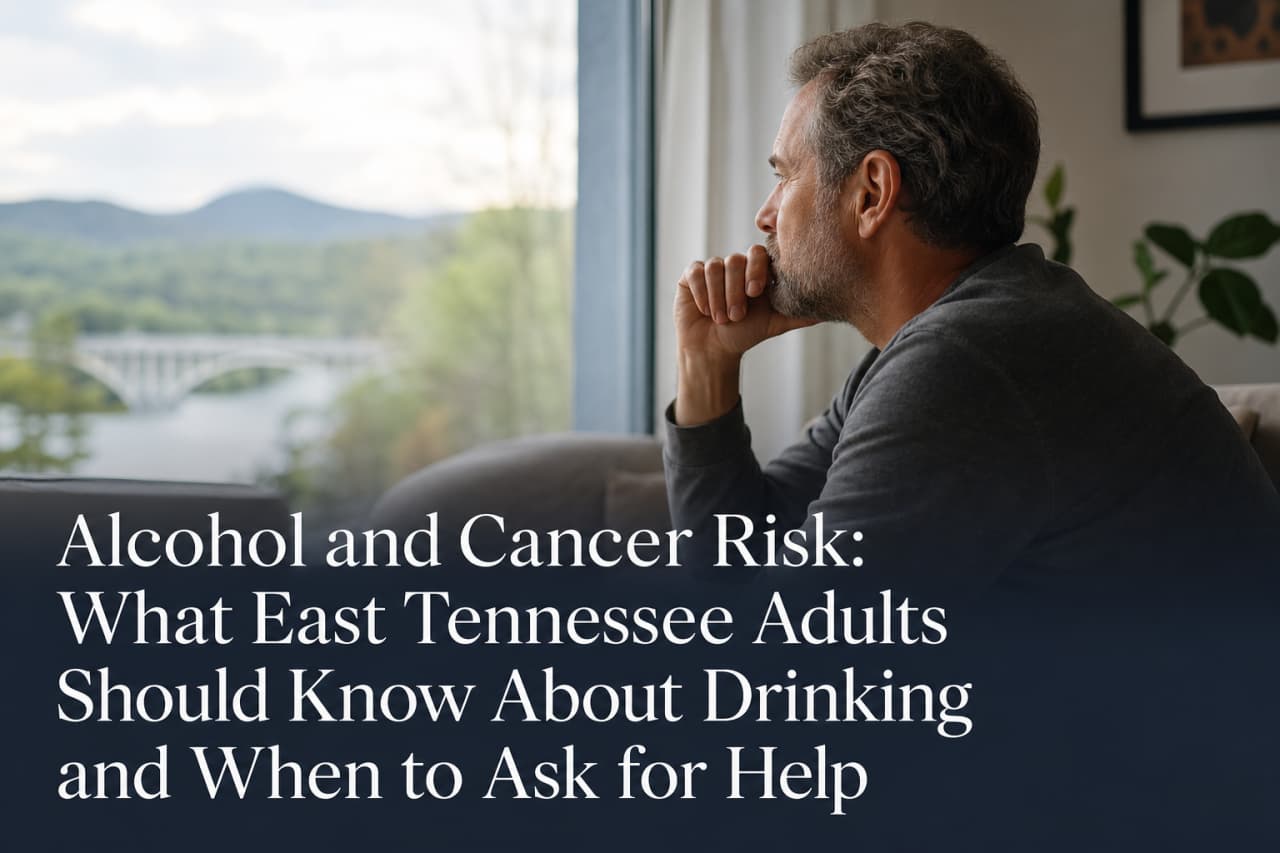
How much does drinking affect your long-term health? Alcohol cancer risk is a growing concern for American adults, especially as research links alcoholic beverages to several cancers. From red wine and beer to distilled spirits, understanding the health effects of ethyl alcohol can help East Tennessee adults make informed decisions about drinking. Whether you drink occasionally or struggle with excessive alcohol use, knowing the risks and when to seek help is an important step toward better health.
Alcohol consumption increases the risk of several types of cancer because ethanol, the alcohol found in beer, wine, and liquor, is classified as a Group 1 carcinogen by the International Agency for Research on Cancer (IARC).
When the body breaks down alcohol, it produces acetaldehyde, a toxic chemical that can damage DNA, disrupt cell repair, and contribute to cancer development. Alcohol can also increase inflammation, alter hormone levels, and affect how the body absorbs nutrients that help protect cells.
Alcohol cancer risk generally increases with the amount and frequency of drinking, but even light or moderate alcohol consumption can raise the risk of certain cancers. Long-term heavy drinking further increases cancer risk, especially when combined with tobacco use. Reducing or stopping alcohol consumption can help lower the risk of developing alcohol-related cancers over time.
Alcohol increases cancer risk by damaging DNA, altering hormone levels, and disrupting cell repair. When the body breaks down ethanol, it produces acetaldehyde, a toxic chemical that contributes to cancer development. Alcohol also causes inflammation, oxidative stress, and changes in estrogen levels.
Heavy drinking can reduce folate absorption, affecting DNA repair. These effects make alcohol a Group 1 carcinogen. Research by Thomson B. and colleagues, published in CA Cancer J Clin, links alcohol exposure to harmful chemicals that impair the body's ability to repair DNA, placing heavy drinkers at higher risk.
Alcohol consumption is linked to seven types of cancer, with risk generally increasing as alcohol intake rises.
Alcohol damages oral tissues and increases cancer risk.
Alcohol increases the risk of pharyngeal cancer, especially with tobacco use.
Long-term drinking increases the risk of laryngeal cancer.
Acetaldehyde damages cells lining the esophagus.
Heavy drinking can cause cirrhosis and increase liver cancer risk.
Alcohol increases the risk of colon and rectal cancers.
Alcohol affects estrogen levels and increases breast cancer risk.
Alcohol cancer risk generally increases with the amount consumed, but even moderate drinking can increase certain cancer risks; compared with non-drinkers, moderate drinking raises breast cancer risk by 10%, showing an increased risk even at lower intake levels.
Moderate drinking is commonly defined as up to one drink daily for women and two for men, while heavy drinking means eight or more weekly drinks for women or 15 or more for men. Binge drinking typically involves four or more drinks for women or five or more for men on one occasion.
Heavy and repeated binge drinking increases overall alcohol exposure, contributing to liver damage, alcohol use disorder, and long-term cancer risk. No drinking pattern completely eliminates alcohol-related cancer risk.
Several factors affect alcohol cancer risk, including drinking habits, genetics, and existing health conditions.
Alcohol and tobacco together significantly increase the risk of mouth, throat, voice box, and esophageal cancers. Alcohol can make tissues more vulnerable to tobacco carcinogens, while both substances contribute to DNA damage.
Their combined effects can increase cancer risk beyond the effects of either substance alone. Reducing or quitting both alcohol and tobacco can lower cancer risk and improve long-term health.
No amount of alcohol is considered completely risk-free for cancer. Even light drinking can increase certain cancer risks, particularly breast cancer, while greater consumption generally increases risk further.
All alcoholic drinks contain ethanol, so type matters less than the total amount consumed over time. Drinking less reduces exposure to alcohol-related carcinogens, while avoiding alcohol eliminates that exposure.
Alcohol contributes to nearly 100,000 cancer cases and 20,000 cancer deaths annually in the United States, accounting for roughly 5% of new cancer cases, according to the 2025 U.S. Surgeon General's Advisory.
In Tennessee, alcohol increases the risk of liver, colorectal, breast, and head and neck cancers. Although state-specific estimates are limited, reducing alcohol consumption can help East Tennessee adults lower their cancer risk.
Alcohol use disorder frequently occurs alongside mental health disorders, including major depressive disorder, generalized anxiety disorder, post-traumatic stress disorder (PTSD), bipolar disorder, and social anxiety disorder.
Some people use alcohol to manage emotional distress, panic attacks, trauma symptoms, or mood changes, but repeated drinking can worsen these conditions and increase the risk of dependence. Alcohol also disrupts brain chemistry, sleep, and emotional regulation, making mental health symptoms harder to manage.
People with co-occurring disorders may experience stronger cravings, increased relapse risk, and greater difficulty maintaining recovery. Integrated treatment addresses alcohol addiction and mental health conditions together through behavioral therapy, psychiatric care, and medication management when appropriate.
Alcohol and certain substances can increase cancer risk through DNA damage, carcinogen exposure, and inflammation. Combining alcohol and tobacco further increases cancer risk.
Polysubstance use also increases the risk of addiction, overdose, and mental health problems.
Alcohol withdrawal occurs when someone who has developed physical dependence reduces or stops drinking. Symptoms can begin within 6 to 24 hours after the last drink and range from mild discomfort to life-threatening complications.
Common alcohol withdrawal symptoms include:
Severe alcohol withdrawal can cause seizures, confusion, dangerous changes in vital signs, and delirium tremens, which requires emergency medical treatment. People with significant alcohol dependence should seek medical guidance before stopping alcohol suddenly.
Reducing or quitting alcohol can lower cancer risk by limiting exposure to acetaldehyde and other carcinogens. Research shows that quitting can reduce the risk of certain head and neck and esophageal cancers, although improvements may take years or decades depending on drinking history and cancer type.
Cancer risk does not disappear immediately, but reducing alcohol intake can improve sleep, blood pressure, and liver function sooner.
Quitting alcohol can improve physical health, mental well-being, and quality of life, with some benefits beginning within days or weeks.
Avoiding alcohol eliminates cancer risk from alcohol exposure, while reducing drinking, quitting tobacco, maintaining a healthy weight, and attending cancer screenings can help lower overall risk.
People with alcohol use disorder may need medical detox, therapy, or addiction treatment to quit safely and protect their long-term health.
Professional help may be needed when drinking becomes difficult to control, causes withdrawal symptoms, or affects health, relationships, and responsibilities, and doctors can help patients understand alcohol and the risk of cancer when it becomes a health concern.
Warning signs include frequent binge drinking, strong cravings, failed attempts to quit, and continued drinking despite consequences, and doctors may ask adult patients about alcohol use and guide next steps when risky drinking is present.
Addiction treatment can address alcohol dependence and co-occurring mental health disorders.
Alcohol addiction treatment depends on withdrawal risks, addiction severity, and mental health needs. Options include:
Medical Detox monitors and treats alcohol withdrawal symptoms.
Provides structured, live-in addiction care.
Partial Hospitalization (PHP) offers intensive daytime treatment.
Provide structured therapy while living at home.
Outpatient Treatment includes counseling and relapse prevention.
Addresses drinking triggers and unhealthy behaviors.
Naltrexone, acamprosate, and disulfiram may support recovery.
Dual Diagnosis Treatment treats addiction alongside mental health disorders.
AA and SMART Recovery offer ongoing support.
Many insurance plans cover alcohol addiction treatment, including detox, residential care, outpatient programs, and mental health services. TennCare may cover medically necessary substance use disorder treatment through participating providers.
Coverage varies by plan, network, deductibles, and authorization requirements, so patients should verify benefits before treatment.
Alcohol consumption is among the potentially modifiable risk factors for cancer, alongside cigarette smoking. Research from the National Cancer Institute, CA: A Cancer Journal for Clinicians, and the American Journal of Preventive Medicine highlights cancer prevention, heavy alcohol use, and overall cancer risk.
Evidence suggests alcohol can cause cancer in multiple ways, including exposure to harmful chemicals affecting breast tissue, the oral cavity, and other organs.
Dietary guidelines have historically set recommended limits at one drink per day for women and two for men, but these limits do not eliminate cancer risk.
Research on estimated effects and cancer deaths attributable to alcohol shows how reducing consumption may help prevent cancer deaths.
A health care team can provide personalized feedback, address cancer treatment concerns, and recommend addiction treatment to support long-term health.
At New Hope Healthcare, as an in-network provider we work with most insurance plans, such as:
If you or a loved one are struggling with mental health challenges or substance abuse, seeking treatment and emotional support is crucial.
Consulting a doctor can provide the necessary support and guidance for your teen. Reach out to New Hope Healthcare today. Our team of compassionate professionals is here to support your journey towards lasting well-being.
Effective medication management is a crucial part of the treatment process to ensure safety and success.
Give us a call at 866-799-0806.
Yes. Daily alcohol consumption increases the risk of several cancers, including breast, liver, colorectal, mouth, and throat cancer. Risk generally increases with the amount consumed.
Yes. Quitting alcohol can lower the risk of certain alcohol-related cancers over time, although the reduction varies by cancer type and drinking history.
Alcohol addiction treatment can help people reduce or stop drinking, which may lower their long-term risk of alcohol-related cancers.
Alcohol is linked to cancers of the mouth, throat, voice box, esophagus, liver, colon and rectum, and female breast.
No amount of alcohol is considered completely risk-free for cancer. Even light drinking can increase the risk of certain cancers.
All three increase cancer risk because they contain ethanol, a known carcinogen. Risk depends primarily on the amount of alcohol consumed rather than the beverage type.
In This Article
Tags
Compare psychiatrist vs therapist roles, learn what psychologists do, and find out how medication, counseling, and dual diagnosis care can support your recovery.
Learn how nitrous oxide abuse treatment can help address whippets misuse, nerve damage, and health risks, plus when to seek medical care and recovery support.
Adolescent Opioid Use Disorder in Tennessee: When Medication Treatment and Family Support Belong Together The opioid crisis continues to affect young.

for Anxiety and Addiction in Knoxville: How ACT Supports Recovery Acceptance and commitment therapy offers a different.
Learn how alcohol-associated liver disease and alcohol use disorder treatment can work together with medical care, counseling, medication, and recovery support.

42 CFR Part 2 and Addiction Treatment Privacy in Knoxville: What Patients and Families Should Know Addiction treatment confidentiality can be a major.
New Hope Healthcare Institute offers confidential admissions support for addiction and mental health care—adults and teens—in Knoxville. Call or text 24/7. Verification is not a guarantee of coverage or admission.