
Guides
October 31, 202611 min read
Ozempic, GLP-1 Medications, and Alcohol Cravings: What Knoxville Adults Should Know About the Latest Research
Can Ozempic reduce alcohol cravings and help people control their drinking?
NHH
New Hope HealthHIPAA-compliant · Same-day admissions available
Medication-assisted treatment (MAT) is an evidence-based treatment that combines FDA-approved medications with behavioral therapy and counseling to address opioid use disorder (OUD) and alcohol addiction.
New Hope Health
Editorial Team
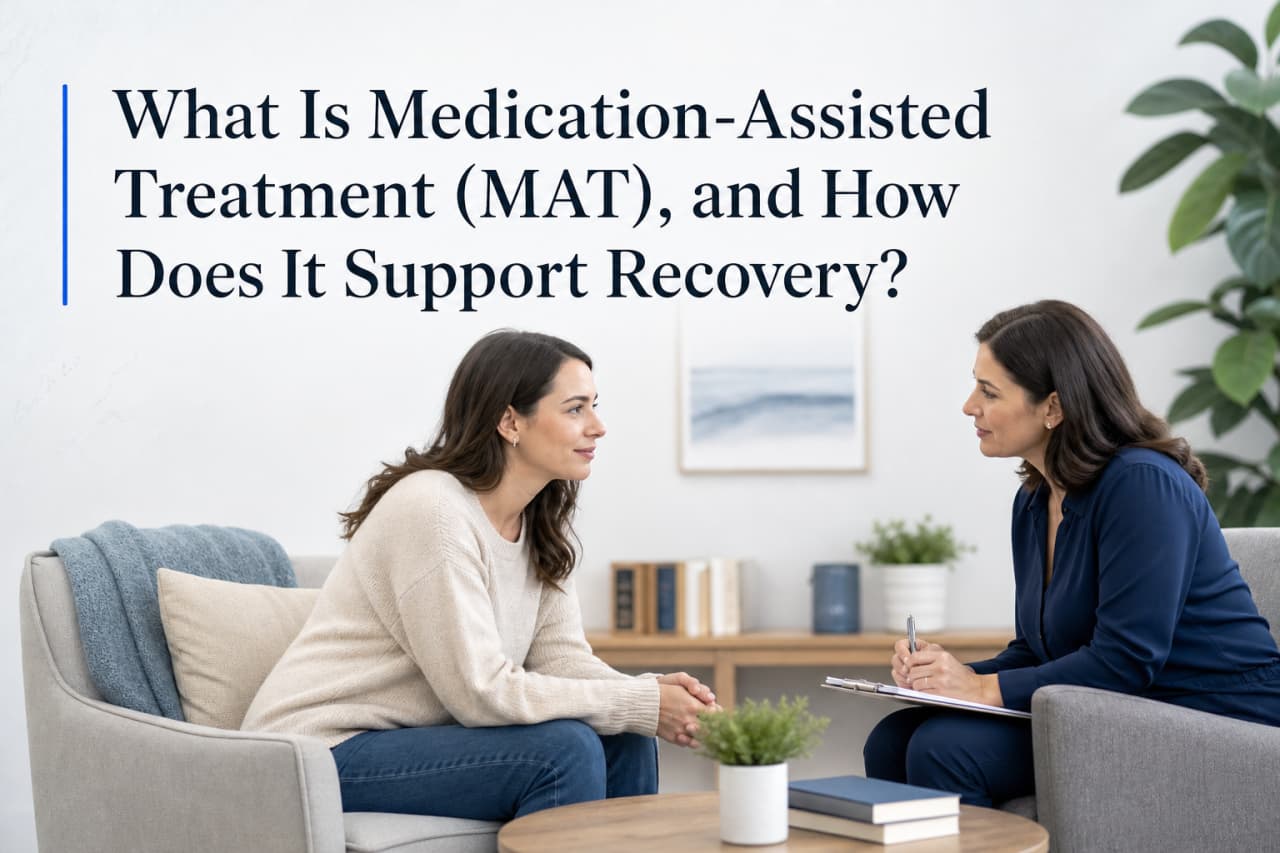
Medication-assisted treatment (MAT) is an evidence-based treatment that combines FDA-approved medications with behavioral therapy and counseling to address opioid use disorder (OUD) and alcohol addiction. According to the Substance Abuse and Mental Health Services Administration, MAT treatment helps normalize brain chemistry, reduce psychological cravings, and manage the physical symptoms of withdrawal. For many patients struggling with opioid misuse, prescription pain relievers, or substance abuse, this approach can reduce overdose risk, improve daily functioning, and support long-term recovery.
Medication-assisted treatment (MAT) is an evidence-based approach to treating substance use disorders that uses FDA-approved medications, often alongside behavioral therapy and counseling, to support addiction recovery. MAT works by targeting brain receptors and chemical processes involved in addiction, helping reduce withdrawal symptoms, drug cravings, and the risk of relapse. Common medications include methadone, buprenorphine, and naltrexone for opioid use disorder, along with naltrexone, acamprosate, and disulfiram for alcohol use disorder. These medications help stabilize patients and support long-term recovery, while counseling and other support services can address behavioral patterns, emotional challenges, and co-occurring mental health conditions.
Medication-assisted treatment (MAT) primarily treats opioid use disorder and alcohol use disorder using FDA-approved medications that reduce cravings, manage withdrawal symptoms, and support recovery.
MAT medications are not currently FDA-approved for stimulant addiction involving cocaine or methamphetamine.
MAT uses FDA-approved medications to reduce cravings, withdrawal symptoms, and substance use based on addiction severity, medical history, and treatment goals.
Methadone, buprenorphine, and naltrexone are the three FDA-approved medications commonly prescribed for OUD treatment, supporting the recovery journey and reducing risks associated with drug abuse. Methadone and buprenorphine reduce opioid-related overdose deaths, while naltrexone is available as a monthly injection; the Department of Health and Human Services no longer requires a buprenorphine waiver, and naloxone remains essential for overdose reversal, although patients do not need to tolerate naloxone to receive MAT. Providers may prescribe buprenorphine to target opioid receptors, while naltrexone can reduce alcohol cravings.
Traditional addiction treatment often focuses on behavioral therapy, counseling, peer support, and relapse prevention without addiction-specific medications. MAT adds FDA-approved medications that address cravings, withdrawal symptoms, and biological factors contributing to substance use. A common misconception is that it simply replaces one drug with another, but these medications are used to support recovery rather than substitute one drug for another.
Both approaches can include individual counseling, group therapy, and recovery support. However, MAT provides additional medical support, particularly for opioid use disorder, where methadone and buprenorphine reduce overdose deaths.
MAT helps manage opioid or alcohol addiction while supporting long-term recovery. Benefits include:
MAT helps manage the physical aspects of addiction by affecting brain receptors and chemical processes involved in addiction. Methadone lasts longer than other opioids while reducing cravings and withdrawal symptoms, buprenorphine also reduces opioid withdrawal and cravings, and naltrexone blocks opioid effects and can reduce heavy drinking. Acamprosate helps maintain alcohol abstinence by supporting changes in brain signaling, and these medications relieve withdrawal symptoms and psychological cravings by helping address chemical imbalances.
By reducing cravings and certain withdrawal symptoms, MAT helps patients focus on counseling, relapse prevention, and recovery. However, medications work differently, and not all MAT medications treat acute withdrawal.
MAT improves opioid use disorder treatment retention, reduces illicit opioid use, and lowers overdose mortality, with 11.3 deaths per 1,000 person-years during methadone treatment versus 36.1 outside treatment. For alcohol use disorder, naltrexone reduces heavy drinking, while acamprosate supports abstinence, with outcomes varying by medication, adherence, and treatment duration. MAT may include vocational training and family counseling to improve social and occupational stability, with studies reporting 51% fewer emergency visits, 33.2% five-year heroin abstinence, and 50% fewer opioid-related overdose deaths in Vermont. Despite protections under the 2008 Mental Health Parity Act, only 11% reportedly receive FDA-approved MAT medications for OUD.
Misconceptions about MAT can discourage people from receiving effective addiction treatment. Common myths include:
Opioid and alcohol use disorders affect millions of Americans, contributing to overdose deaths and chronic health problems. The 2023 National Survey on Drug Use and Health reported 28.9 million Americans aged 12 or older with alcohol use disorder and 5.7 million with opioid use disorder. Rural opioid addiction treatment access remains limited, with 88.6% of counties lacking sufficient opioid treatment programs and 30% of residents living in counties without a buprenorphine prescriber. Rural drug overdose deaths increased 325% from 1999 to 2015, while only 18% of adults with opioid use disorder received medications for treatment in 2023.
Medication-assisted treatment (MAT) combines FDA-approved medications with behavioral therapies and counseling to address the physical and psychological effects of addiction. Medications reduce cravings and withdrawal symptoms, while cognitive behavioral therapy (CBT), motivational interviewing, individual counseling, and group therapy help patients identify triggers, develop coping skills, and prevent relapse. Counseling provides additional support, although medications for opioid use disorder remain effective without mandatory therapy, and MAT can treat substance use disorders through medication, counseling, and other support services tailored to patient needs.
MAT supports people with co-occurring substance use disorders and mental health conditions by stabilizing addiction symptoms while psychiatric treatment addresses mental health needs. Common co-occurring disorders include:
MAT does not directly treat these mental health disorders but can support integrated treatment.
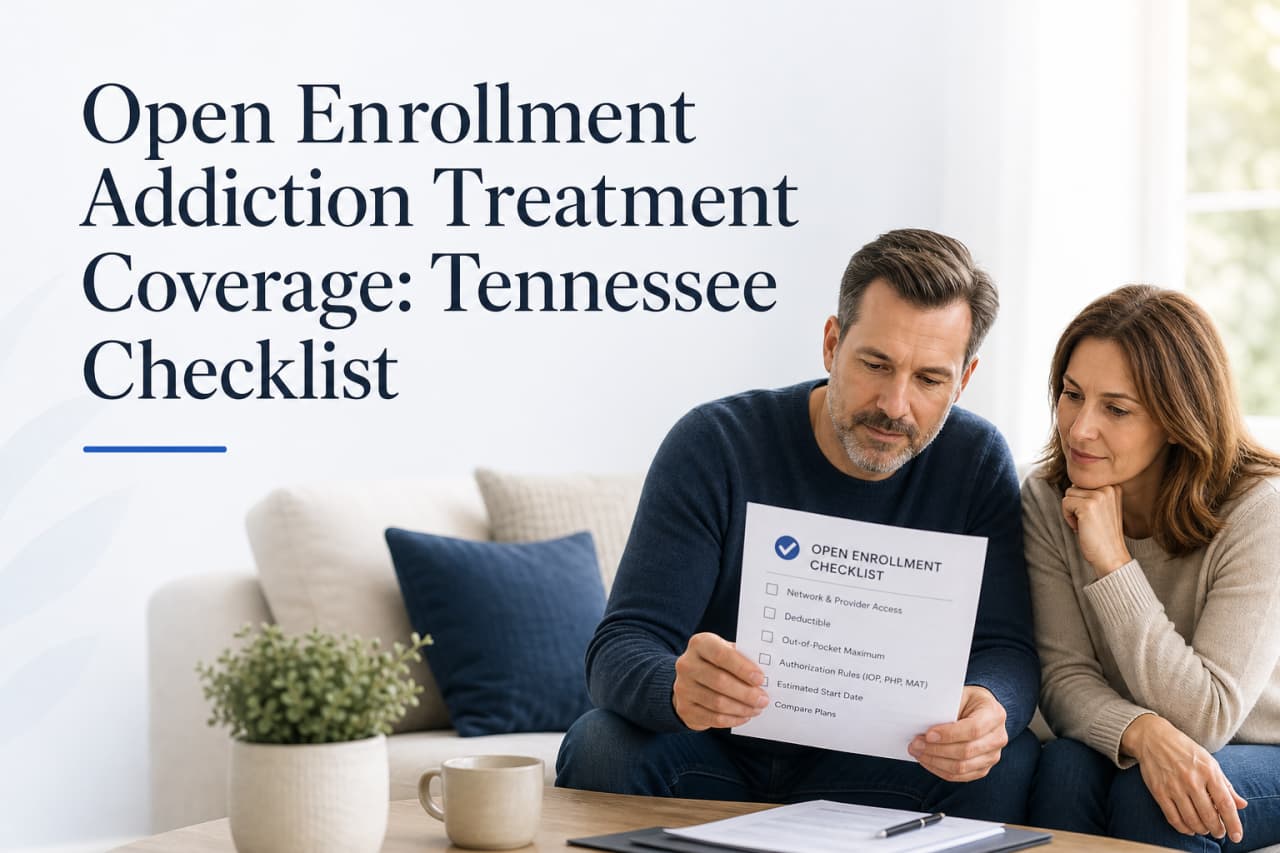

People diagnosed with opioid use disorder or alcohol use disorder may qualify for MAT following a medical assessment. Eligibility depends on substance use history, withdrawal symptoms, medical conditions, and treatment goals. Treatment may last months, years, or longer, depending on individual needs and medication response.
Stopping MAT may increase cravings, withdrawal symptoms, and relapse risk. Abruptly stopping methadone or buprenorphine can cause opioid withdrawal, while stopping naltrexone removes its opioid-blocking effects. Returning to opioid use after losing tolerance increases overdose risk, making medical supervision important.
Yes, overdose remains possible during MAT, particularly when methadone or buprenorphine is combined with alcohol, benzodiazepines, or other sedatives. Excessive doses and continued illicit opioid use increase risks. Naltrexone also does not eliminate overdose risk, especially when someone attempts to overcome its blocking effects.
Methadone and buprenorphine reduce opioid overdose deaths by controlling cravings, preventing withdrawal, and reducing illicit opioid use. Research links ongoing treatment with lower overdose mortality and improved treatment retention, and expanding access can also reduce criminal activity and improve disease control. In rural primary care, physicians report barriers such as limited mentorship and concerns about drug diversion. Naloxone access, overdose education, and continued medical care provide additional protection.
MAT begins with a medical evaluation of substance use history, withdrawal symptoms, physical health, mental health conditions, and recommended screening such as hepatitis c testing. Patients starting Vivitrol must be opioid free first and may need medically supervised withdrawal beforehand. Providers select appropriate medications, monitor side effects, and may include counseling, behavioral therapy, and relapse prevention. Costs vary by medication, treatment setting, and insurance coverage, and most health insurance plans may cover eligible services, but patients should still check their benefits and any requirements.
MAT can be combined with residential treatment, partial hospitalization programs (PHP), and intensive outpatient programs (IOP). Residential care provides 24-hour support, while PHP and IOP offer structured treatment without overnight stays. These programs may combine addiction medication with counseling, behavioral therapy, and mental health services.
Professional addiction treatment may be needed when opioid or alcohol use causes withdrawal symptoms, strong cravings, repeated attempts to quit, or problems with daily responsibilities. Other warning signs include increasing tolerance, continued use despite harmful consequences, and previous overdoses. Severe alcohol withdrawal, seizures, or overdose symptoms require emergency medical attention.
Addiction treatment includes different levels of care based on substance use severity, withdrawal risks, and mental health needs.
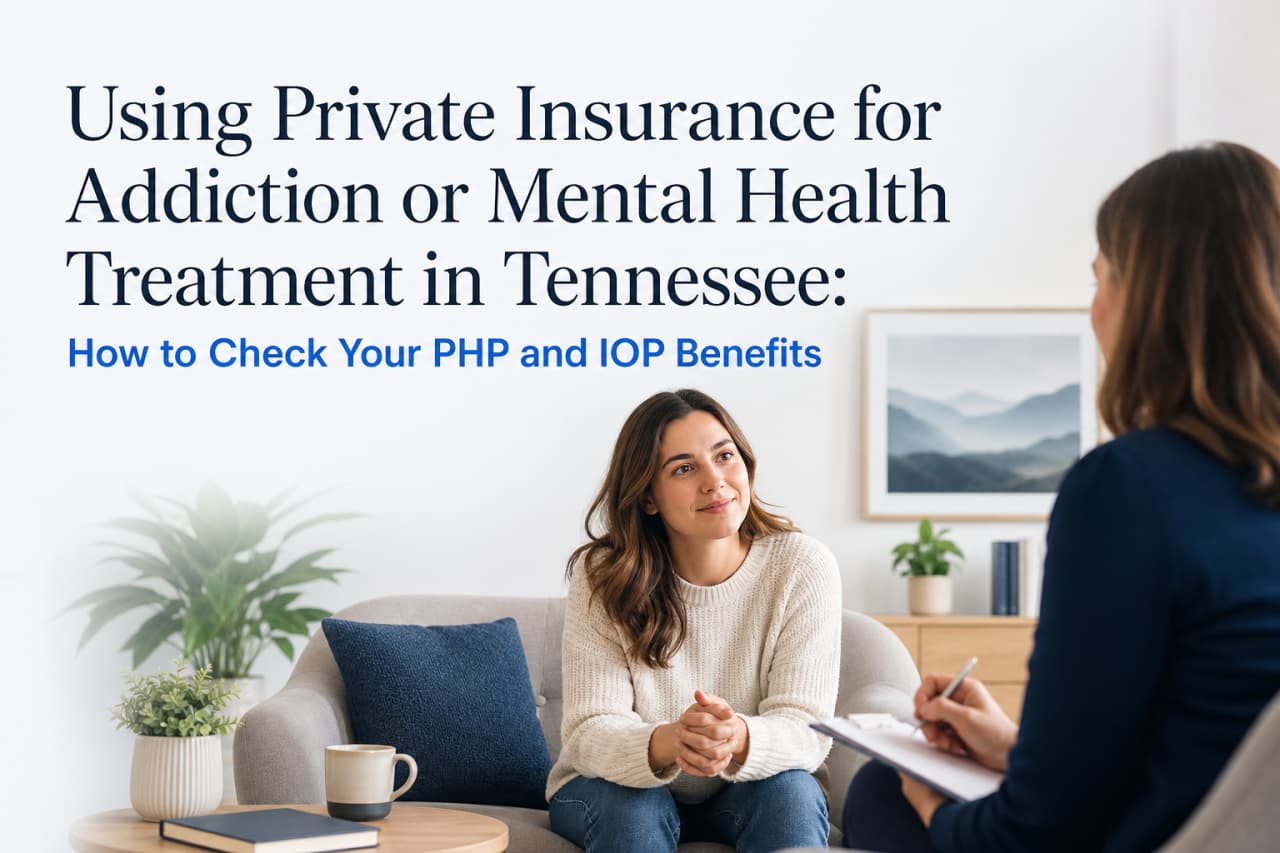
Many health insurance plans cover MAT medications, medical evaluations, and addiction counseling. TennCare, Medicare, and private insurance may cover eligible addiction treatment services based on medical necessity and plan benefits. Coverage varies by provider, medication, and level of care, so patients should verify benefits and out-of-pocket costs before treatment.
Medication-assisted treatment addresses the physical and behavioral aspects of addiction through medications that relieve withdrawal symptoms, reduce cravings, and support recovery. Whether receiving treatment through opioid treatment programs, primary care, or outpatient substance abuse treatment, patients can work with a treatment team to manage addiction and co-occurring mental health conditions. With many health insurance plans covering eligible services, MAT offers people in Knoxville a path to reduce substance use, prevent relapse, and sustain recovery.
At New Hope Healthcare, as an in-network provider we work with most insurance plans, such as:
If you or a loved one are struggling with mental health challenges or substance abuse, seeking treatment and emotional support is crucial. Consulting a doctor can provide the necessary support and guidance for your teen. Reach out to New Hope Healthcare today. Our team of compassionate professionals is here to support your journey towards lasting well-being. Effective medication management is a crucial part of the treatment process to ensure safety and success. Give us a call at 866-799-0806.
No. MAT medications help manage cravings, withdrawal symptoms, and addiction without producing the same harmful patterns of substance use when taken as prescribed.
Treatment may last several months, years, or longer, depending on the medication, addiction severity, and individual recovery needs.
Yes. Many outpatient MAT programs allow patients to receive medication and counseling while maintaining work, school, and family responsibilities.
Methadone and buprenorphine are highly effective for opioid use disorder. Naltrexone, acamprosate, and disulfiram are options for alcohol use disorder.
Success rates vary by medication and condition. Research shows that methadone and buprenorphine improve treatment retention and reduce opioid overdose deaths.
Many insurance plans, including Medicaid and TennCare, cover eligible MAT services. Coverage depends on the plan, medication, provider, and medical necessity.
In This Article
Tags
Can Ozempic reduce alcohol cravings and help people control their drinking?
You'll be able to compare Marketplace and employer plans on the things that set your treatment costs next year: network, deductible, out-of-pocket maximum, and authorization rules.
You can keep your job and still get structured treatment, and you'll see how a 5:00 to 8:00 PM schedule fits a normal work week.

You'll know what your space, device, and household need before your first Virtual IOP session, and what to do if a hard moment hits at home.

Staying sober during the holidays can be challenging, especially when Thanksgiving, Christmas, and New Year's bring family gatherings, social pressure, and changes to familiar routines.

Knowing how to talk to kids about addiction can be difficult for many parents, especially when alcohol or drug use affects a child's life.
New Hope Healthcare Institute offers confidential admissions support for addiction and mental health care—adults and teens—in Knoxville. Call or text 24/7. Verification is not a guarantee of coverage or admission.