
Blog
October 16, 202611 min read
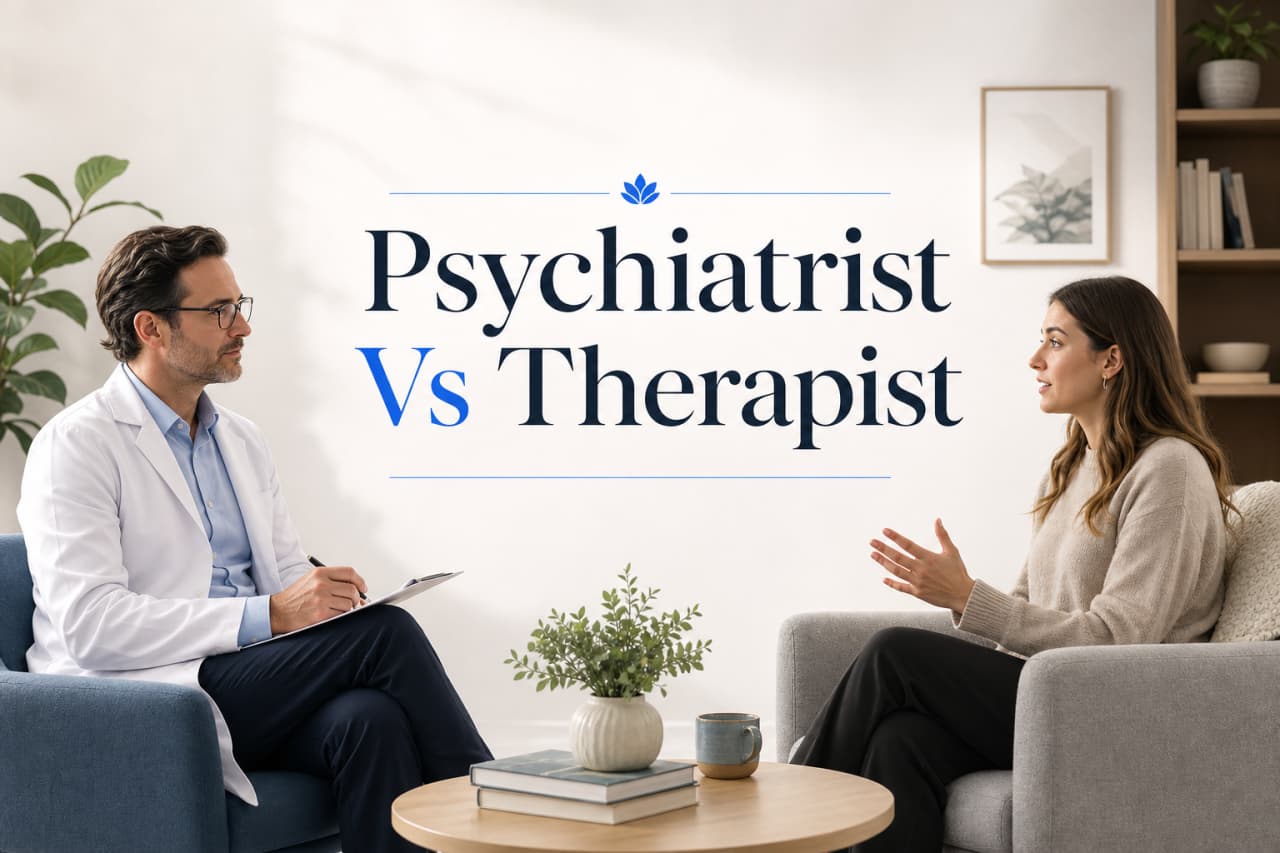
Psychiatrist Vs Therapist
Compare psychiatrist vs therapist roles, learn what psychologists do, and find out how medication, counseling, and dual diagnosis care can support your recovery.
NHH
New Hope HealthHIPAA-compliant · Same-day admissions available
for Anxiety and Addiction in Knoxville: How ACT Supports Recovery Acceptance and commitment therapy offers a different.
New Hope Health
Editorial Team

Acceptance and commitment therapy offers a different way to understand how people respond to anxiety, addiction, negative thoughts, and psychological distress. Rooted in contextual behavioral science, behavior analysis, relational frame theory, and third wave therapies, the ACT approach explores human behavior, human language, experiential avoidance, cognitive fusion, and the psychological processes that can shape human suffering. For people in Knoxville facing substance abuse, depressive symptoms, or other psychological challenges, learning how ACT work connects core values with a meaningful life can open the door to a new view of recovery.
Acceptance and Commitment Therapy (ACT) is a form of behavioral therapy that helps people accept difficult thoughts, emotions, and experiences while taking actions that align with their personal values. ACT uses mindfulness, acceptance, and behavior change strategies to build psychological flexibility rather than focusing on eliminating every unwanted thought or feeling. A therapist may help people recognize unhelpful thought patterns, stay present, clarify what matters to them, and make healthier choices. ACT may be used to address anxiety, depression, trauma, substance use disorders, chronic pain, and other mental or behavioral health concerns.
Acceptance and Commitment Therapy helps people change how they respond to difficult thoughts, feelings, memories, and physical sensations rather than constantly trying to control or eliminate them. ACT teaches people to use act processes to observe these experiences without letting them automatically determine their behavior. These are the basic processes that support greater flexibility in daily life. The goal is to build psychological flexibility so people can make healthier choices that support their values, relationships, mental health, and recovery.
These six skills are the core principles of ACT, and the therapy uses an experiential approach, so they are practiced directly rather than only talked about:
Allows difficult thoughts and emotions to exist without constantly fighting or avoiding them.
Helps people view thoughts as mental events rather than facts that must control their behavior.
Uses mindfulness to focus attention on current experiences.
Helps people observe thoughts and feelings without defining themselves by them.
Identifies the relationships, goals, and principles that matter most.
Turns personal values into specific, meaningful behaviors and goals.
Acceptance and mindfulness help people notice anxiety, cravings, painful memories, and other uncomfortable experiences without immediately reacting to them, making room for the full human experience, including discomfort. These skills do not require people to approve of difficult experiences or stop trying to improve their lives.
Instead, ACT builds psychological flexibility, which helps people adapt to difficult situations and function across many parts of human life while continuing to make choices based on their values. This skill can be especially useful when uncomfortable emotions cannot be quickly changed or avoided.
ACT helps people identify personal values related to health, relationships, family, work, recovery, and other meaningful parts of life by focusing on the whole person rather than only isolated symptoms. Values provide direction, while committed action turns those priorities into specific behaviors and achievable goals.
A person in addiction recovery, for example, may value family relationships, intimate relationships, and physical health. Committed action could involve attending treatment, avoiding high-risk situations, rebuilding relationships, and practicing coping skills even when cravings or difficult emotions occur.
People may avoid situations, emotions, memories, or thoughts that cause discomfort, and cognitive entanglement can deepen that pull into painful inner experiences, which can provide temporary relief but reinforce unhealthy patterns. ACT teaches acceptance and mindfulness skills that can help people face difficult experiences while developing healthier responses instead of relying on avoidance or substance use.
ACT can help people notice cravings, triggers, and difficult emotions without immediately acting on them. Mindfulness, cognitive defusion, acceptance, and value-based decision-making can create space between an urge and a response, helping people make choices that support recovery.
ACT may be used as part of treatment for anxiety disorders, depression, emotional distress, trauma, and post-traumatic stress disorder (PTSD). Rather than requiring difficult thoughts or feelings to disappear first, ACT helps people change their relationship with these experiences and continue engaging in meaningful activities.
ACT can also support people with co-occurring substance use disorders. Treatment can address mental health symptoms and substance use together while building coping skills that support recovery.
Anxiety disorders and substance use disorders are common mental health concerns, and some people experience both at the same time. Co-occurring anxiety, depression, trauma, or other mental health conditions can affect substance use patterns, treatment needs, and relapse risk.
Identifying both conditions can help providers develop a treatment plan that addresses substance use and the mental health symptoms that may contribute to it. Integrated treatment may include behavioral therapies such as ACT alongside other appropriate mental health and addiction services.
Acceptance and Commitment Therapy may be used to treat substance use disorders involving alcohol, opioids, cannabis, stimulants, and other drugs.
ACT helps people recognize cravings, triggers, thoughts, and emotions without automatically responding with substance use, while committed action supports behaviors that align with recovery goals. ACT may be combined with other addiction treatments, including counseling, medication, peer support, and structured outpatient or residential care.
Treatment can also address avoidance, stress, shame, and emotional distress that may contribute to continued substance use or relapse.
ACT may support people with substance use disorders who also experience major depressive disorder, generalized anxiety disorder, panic disorder, post-traumatic stress disorder (PTSD), obsessive-compulsive disorder (OCD), or other mental health conditions.
These conditions can interact with substance use and make recovery more difficult when symptoms remain untreated. ACT focuses on psychological flexibility, mindfulness, acceptance, and value-based behaviors across both mental health and addiction recovery.
Treatment can help people respond differently to anxiety, depressive thoughts, trauma reminders, cravings, and other difficult experiences.
The length of ACT depends on the condition being treated, symptom severity, treatment setting, and individual goals. Some ACT programs use a brief course of therapy, while people with addiction, trauma, or co-occurring disorders may benefit from longer treatment.
ACT can be provided through individual therapy, group therapy, outpatient programs, and other behavioral health settings, and it is widely used in clinical practice across these formats. Progress is usually based on meaningful behavior changes and improved psychological flexibility rather than a fixed number of sessions.
There is strong empirical evidence supporting ACT for several mental and behavioral health concerns, including anxiety, depression, chronic pain, and substance use disorders. Over 1,000 randomized controlled trials of ACT have been conducted worldwide. A meta-analysis found ACT has moderate to large effects on stress reduction.
ACT may help people reduce avoidance, manage difficult emotions, and respond differently to cravings and triggers, although results vary by person and condition, and the overall body of research shows meaningful empirical support.
Mental health professionals, including an ACT therapist, may use behavioral consultation and a holistic approach alongside care for medical conditions, while healthcare research, pilot study findings, and international journal publications continue to build strong evidence for ACT.
ACT and Cognitive Behavioral Therapy (CBT) both address connections between thoughts, emotions, and behaviors, but they use different strategies. In the broader history of cognitive therapy and behavioral and cognitive therapy, ACT differs from traditional CBT by emphasizing acceptance and mindfulness rather than trying to control thoughts and feelings.
Traditional CBT often helps people identify and challenge inaccurate or unhelpful thoughts, while ACT focuses more on accepting thoughts without allowing them to control behavior.
Both therapies can use behavioral exercises, goal setting, and coping skills, and ACT may also be used alongside other therapeutic modalities depending on treatment goals. The appropriate approach depends on the condition, treatment goals, personal preferences, and recommendations from a mental health or addiction professional.
ACT sessions may include mindfulness exercises, cognitive defusion, acceptance strategies, values clarification, and goal setting, reflecting a therapeutic practice that often uses experiential exercises during sessions.
A therapist may help patients recognize avoidance patterns and practice healthier responses to stress, cravings, relationships, and difficult emotions.
ACT can support relapse prevention by teaching people to experience cravings, triggers, and uncomfortable emotions without automatically returning to substance use. Instead of trying to eliminate every urge, people learn to observe it and choose actions that support their recovery values.
Long-term recovery may also include counseling, peer support, medication when appropriate, healthy routines, and continued behavioral health care. ACT skills can remain useful after formal therapy ends because they can be applied to new stressors and recovery challenges.
Professional help may be needed when substance use, anxiety, depression, trauma symptoms, or emotional distress interfere with health, relationships, work, or daily life. Overdose, severe withdrawal, suicidal thoughts, psychosis, or immediate risk of harm requires urgent help.
Builds mindfulness, acceptance, and value-based behaviors.
Addresses unhealthy thought and behavior patterns.
Builds emotional regulation and distress tolerance skills.
Addresses mental health, addiction, and recovery needs.
Uses appropriate medications for mental health or substance use disorders.
Dual Diagnosis Treatment treats addiction and co-occurring mental health disorders together.
Intensive Outpatient Treatment provides structured treatment while patients live at home.
Provides 24-hour structure and addiction or mental health support.
Provides connection and accountability during recovery.
Insurance may cover ACT and other mental health or addiction services when medically necessary and included in the plan. Coverage can include therapy, outpatient programs, residential treatment, and medication management, but benefits and out-of-pocket costs vary.
Acceptance and commitment therapy has developed into a transdiagnostic behavioral intervention used in clinical psychology and other psychological therapies.
The ACT literature, including a systematic review, randomized trials, meta analyses, and empirical research, provides support for ACT interventions involving psychiatric symptoms, health behavior change, substance abuse, and other challenges, and this body of work informs therapeutic practice and broader clinical practice.
Through the psychological flexibility model, focused acceptance, cognitive distancing, and valued behavior, ACT practitioners help people respond to difficult private events while moving in a valued direction toward a fulfilling life, with ACT processes used flexibly in clinical settings to address the richness of human experience.
At New Hope Healthcare, as an in-network provider we work with most insurance plans, such as:
If you or a loved one are struggling with mental health challenges or substance abuse, seeking treatment and emotional support is crucial.
Consulting a doctor can provide the necessary support and guidance for your teen. Reach out to New Hope Healthcare today. Our team of compassionate professionals is here to support your journey towards lasting well-being.
Effective medication management is a crucial part of the treatment process to ensure safety and success.
Give us a call at 866-799-0806.
Acceptance and commitment therapy (ACT) is a form of psychotherapy that uses acceptance, mindfulness, personal values, and behavior change to build psychological flexibility.
Yes. ACT can help people respond to anxiety, cravings, triggers, and difficult emotions without relying on avoidance or substance use.
The length of ACT varies based on symptoms, treatment goals, and whether it is used alone or as part of a broader mental health or addiction treatment plan.
The six processes are acceptance, cognitive defusion, present-moment awareness, self-as-context, values, and committed action.
CBT often focuses on changing unhelpful thoughts, while ACT focuses on changing how a person responds to thoughts and feelings while taking actions based on personal values.
ACT may be used for anxiety, depression, trauma-related symptoms, substance use disorders, chronic stress, and other behavioral or mental health concerns.
In This Article
Tags
Compare psychiatrist vs therapist roles, learn what psychologists do, and find out how medication, counseling, and dual diagnosis care can support your recovery.
Learn how alcohol cancer risk changes with drinking, which cancers are linked to alcohol, and when to seek support for reduced drinking or treating alcohol use.
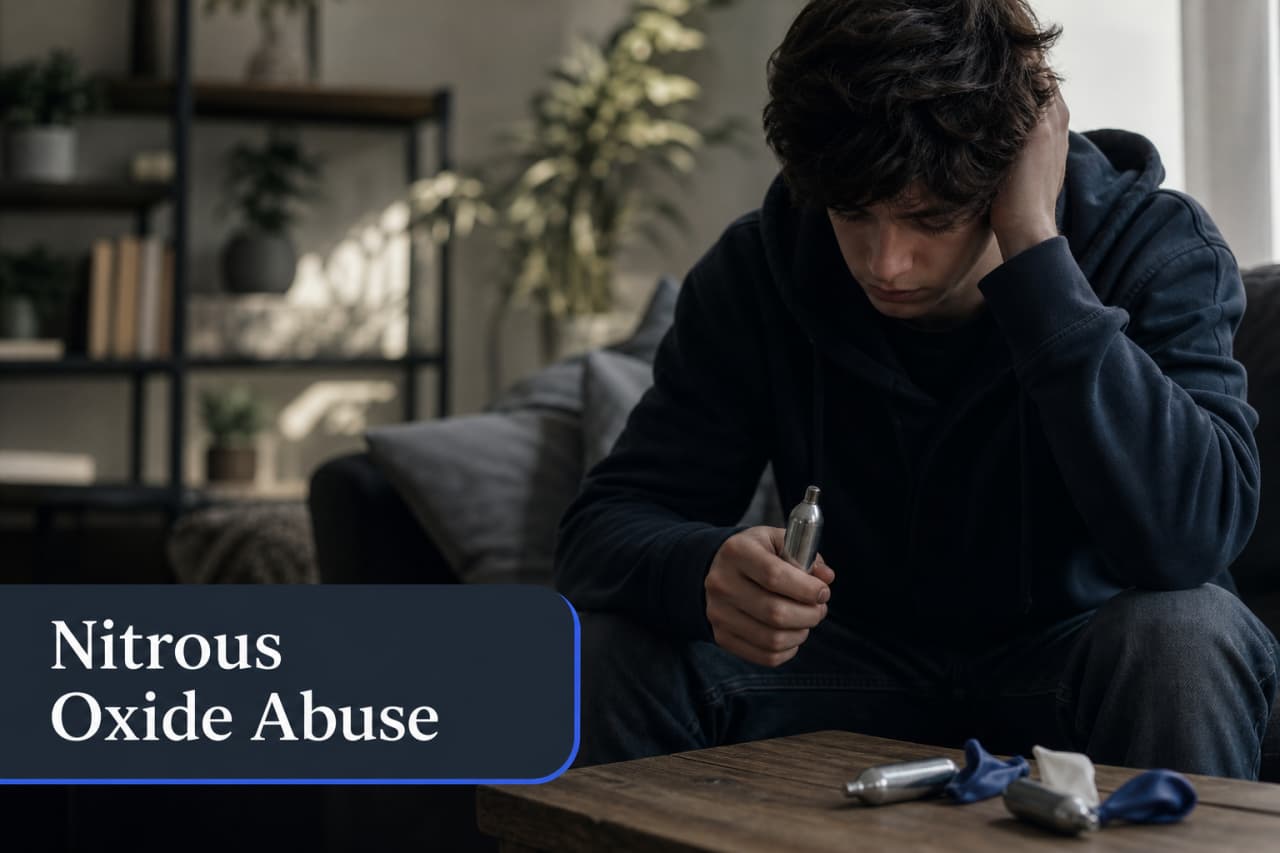
Learn how nitrous oxide abuse treatment can help address whippets misuse, nerve damage, and health risks, plus when to seek medical care and recovery support.
Adolescent Opioid Use Disorder in Tennessee: When Medication Treatment and Family Support Belong Together The opioid crisis continues to affect young.

Learn how alcohol-associated liver disease and alcohol use disorder treatment can work together with medical care, counseling, medication, and recovery support.
42 CFR Part 2 and Addiction Treatment Privacy in Knoxville: What Patients and Families Should Know Addiction treatment confidentiality can be a major.
New Hope Healthcare Institute offers confidential admissions support for addiction and mental health care—adults and teens—in Knoxville. Call or text 24/7. Verification is not a guarantee of coverage or admission.