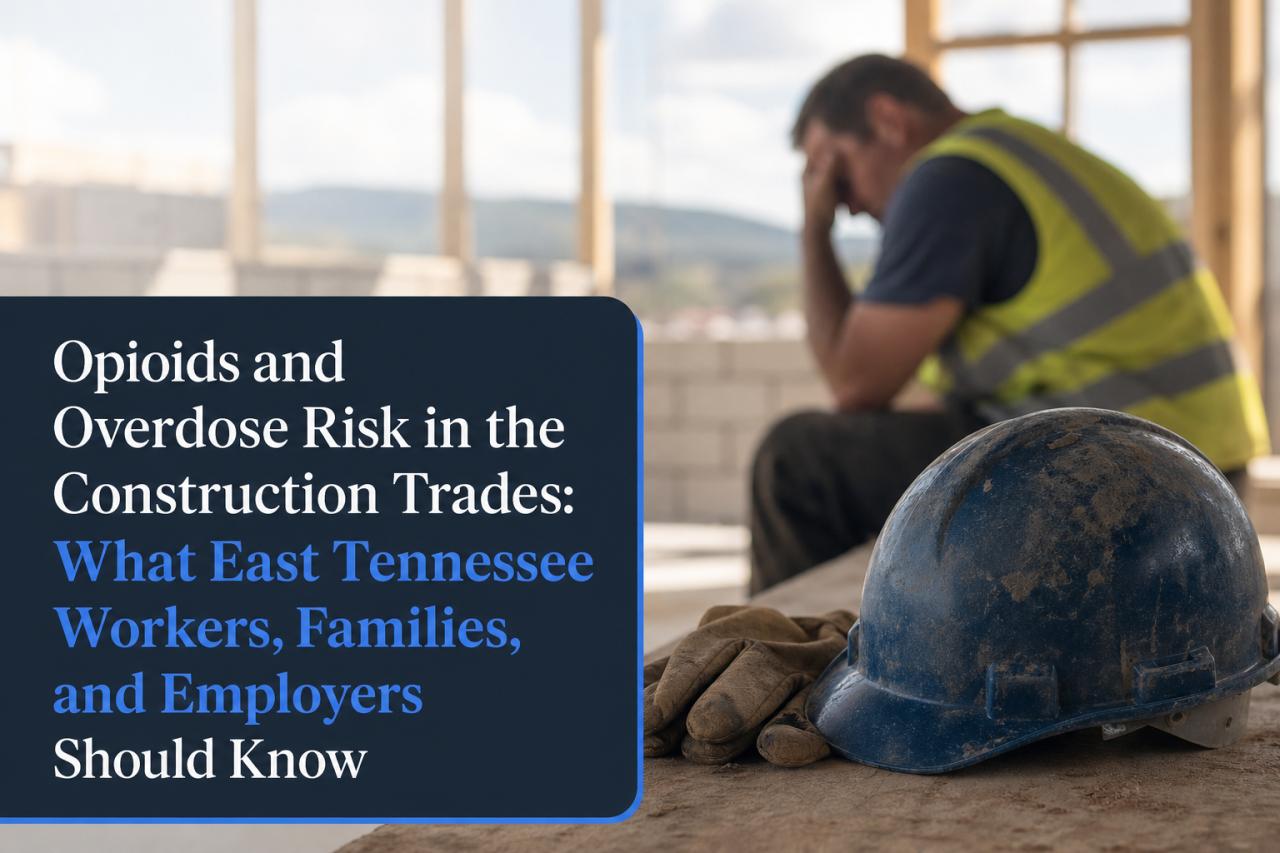
Construction workers face some of the toughest physical demands in the workforce, but what happens when occupational injuries and chronic pain lead to prescription opioid abuse? As the opioid epidemic continues to affect East Tennessee, injured construction workers face growing concerns about substance abuse, drug overdose deaths, and long-term opioid use. Understanding the connection between work-related injuries, opioid addiction, and occupational safety can help workers, families, and construction companies recognize the risks before they become life-threatening.
Understanding Construction Workers Opioid Addiction
Construction workers opioid addiction is a growing concern because physically demanding jobs, workplace injuries, and chronic pain can increase exposure to prescription opioids. Opioid addiction, also called opioid use disorder (OUD), develops when a person struggles to control opioid use despite harmful effects on their health, employment, and relationships. Construction workers may develop opioid dependence after taking prescription painkillers for injuries, while long hours, job stress, and fear of losing income can make it harder to recognize addiction and seek treatment.
Why Construction Workers Face Higher Risks of Opioid Addiction
Construction workers face higher risks of opioid addiction because their jobs involve heavy lifting, repetitive movements, dangerous equipment, and frequent physical injuries, with an injury rate 77% higher than the national average. Manual labor often leads to chronic back pain and joint issues, which helps explain why painkillers are so commonly prescribed. Limited access to healthcare, workplace stigma, and concerns about lost wages may also prevent workers from seeking addiction treatment early.
How Workplace Injuries, Chronic Pain, and Prescription Opioids Contribute to Addiction
Back, shoulder, knee, and joint injuries can cause chronic pain that requires medical treatment. Prescription opioids such as oxycodone, hydrocodone, morphine, and tramadol may relieve severe pain but can cause tolerance, physical dependence, and addiction. Taking higher doses or using opioids longer than prescribed increases these risks.
Signs and Symptoms of Opioid Addiction Among Construction Workers
Opioid addiction can cause physical, behavioral, and emotional changes that affect workplace safety. Common warning signs include:
- Taking more opioids than prescribed
- Strong cravings for painkillers
- Drowsiness and slowed reactions
- Pinpoint pupils and slurred speech
- Mood swings and irritability
- Missed work and declining performance
- Hiding opioid use
- Withdrawal symptoms between doses
- Continued use despite harmful consequences
Workplace Stigma, Job Security, and Employee Rights During Addiction Treatment
Construction workers may avoid treatment due to fears of job loss, discrimination, or workplace judgment. The Americans with Disabilities Act (ADA) and Family and Medical Leave Act (FMLA) may protect eligible workers receiving addiction treatment, depending on their circumstances. Confidential treatment and outpatient programs can help workers maintain employment during recovery.
How Fentanyl and Illicit Opioids Increase Overdose Risks in the Construction Industry
Illicitly manufactured fentanyl is a powerful synthetic opioid that can cause fatal overdoses, especially when mixed with heroin, counterfeit oxycodone pills, or other illegally manufactured drugs. Other dangerous opioids include heroin, illicit fentanyl analogs, and nitazenes, while substances such as xylazine may appear in the illicit opioid supply and increase health risks. Workers who obtain painkillers outside licensed pharmacies may unknowingly consume fentanyl or other substances, increasing the risk of respiratory depression, unconsciousness, and death.
How Opioid Addiction Affects Workplace Safety, Employment, and Family Relationships
Opioid addiction can impair judgment, coordination, and concentration, increasing workplace accidents and injuries. Workers may experience missed shifts, reduced productivity, financial difficulties, and job loss. Addiction can also strain family relationships through secrecy, emotional withdrawal, and ongoing concerns about overdose.
Prevalence of Opioid Addiction Among Construction Workers in Tennessee
Construction workers have some of the highest overdose death rates among U.S. occupations, with opioid overdose deaths increasing 9-fold from 2011 to 2018, although Tennessee-specific estimates remain limited. National research found that approximately 10% of construction workers used prescription opioids annually, 15% reported a substance abuse disorder compared with the general population, and 15% of workers prescribed opioids became long-term users. These findings highlight the opioid crisis in construction, while the National Safety Council, Occupational Safety and Health Administration, National Center for Health Statistics, and Bureau of Labor Statistics track injured workers, musculoskeletal injuries, occupational patterns, illicit drug use, heroin-related overdose deaths, and undetermined drug-involved deaths across construction and other industries.
Effects and Risks of Opioid Addiction in Construction Workers
**Short-Term**:
- Drowsiness and dizziness
- Impaired coordination and judgment
- Nausea and constipation
- Reduced concentration
- Workplace accidents and injuries
- Respiratory depression and overdose
**Long-Term**:
- Opioid dependence and addiction
- Increased tolerance and withdrawal
- Chronic constipation and sleep problems
- Depression and anxiety
- Financial and employment problems
- Strained family relationships
- Infectious diseases from injection drug use
- Permanent brain injury or fatal overdose
Opioid Overdose Risks and Warning Signs on Construction Sites
Construction workers face overdose risks from prescription opioid misuse, fentanyl, heroin, and counterfeit painkillers, especially when combined with alcohol or sedatives. Warning signs include slow or stopped breathing, unconsciousness, blue or gray lips, pinpoint pupils, gurgling sounds, and cold, clammy skin. An opioid overdose can cause respiratory failure, permanent brain damage, or death without immediate medical attention.
How to Respond to an Opioid Overdose With Naloxone
Naloxone (Narcan) can reverse an opioid overdose by blocking opioid effects and helping restore breathing. If an overdose is suspected, call 911, administer naloxone as directed, and begin CPR if the person is not breathing normally, following dispatcher instructions. Give another naloxone dose after 2–3 minutes if needed, place the person on their side once breathing normally, and stay until emergency responders arrive.
Risk Factors for Opioid Addiction in the Construction Industry
Construction workers face occupational and personal risk factors that increase opioid addiction risks, including:
- Workplace injuries and chronic pain
- Long-term prescription opioid use
- Heavy physical labor
- Job stress and financial pressure
- Limited healthcare access
- Previous substance use disorders
- Co-occurring mental health conditions
- Workplace stigma and illicit opioid exposure
Co-Occurring Mental Health Disorders, Workplace Stress, and Opioid Addiction
Depression, generalized anxiety disorder (GAD), post-traumatic stress disorder (PTSD), and bipolar disorder can complicate opioid addiction among construction workers, and roughly 30% of construction workers experience mental health conditions. Workplace injuries, traumatic accidents, financial stress, and chronic pain may worsen mental health symptoms and increase substance misuse. Among male construction workers, the suicide rate is 56 per 100,000, underscoring the need for early mental health and addiction care; a 2021 study in J Occup Environ Med also linked work-related factors to psychological distress in this workforce. Opioid use can also worsen depression, anxiety, and emotional instability.
Barriers to Seeking Opioid Addiction Treatment Among Construction Workers
Job insecurity, financial pressure, workplace stigma, and fear of discrimination may prevent construction workers from seeking treatment. Long hours, changing job sites, limited insurance, and transportation challenges can restrict access to care. Concerns about withdrawal, confidentiality, and lost income may also delay recovery.
Long-Term Recovery and Returning to Construction Work After Addiction Treatment
Long-term recovery involves ongoing therapy, relapse prevention, and management of chronic pain or mental health conditions. Outpatient treatment, medication-assisted treatment, and workplace accommodations may help workers return safely. Recovery plans should address physical limitations, medication side effects, and relapse triggers.
Benefits of Residential and Outpatient Addiction Treatment for Construction Workers
Residential and outpatient programs provide different levels of care based on addiction severity and employment needs. Benefits include:
- Structured addiction treatment
- Individual and group therapy
- Reduced exposure to triggers
- Co-occurring mental health treatment
- Medication management
- Flexible outpatient schedules
- Family support and education
- Relapse prevention and recovery planning
Non-Opioid Pain Management and Relapse Prevention Strategies
Physical therapy, exercise, ergonomic adjustments, and non-opioid medications such as acetaminophen or NSAIDs may help manage pain. Cognitive behavioral therapy (CBT), stress management, and injury prevention can support recovery. Relapse prevention focuses on identifying triggers, maintaining treatment, and building support networks.
How Employers and Families Can Support Addiction Recovery and Prevent Overdose
Employers can provide naloxone training, workplace safety education, confidential referrals, and access to addiction treatment. Families can recognize warning signs, encourage professional help, and learn overdose response techniques. Consistent support can reduce overdose risks and strengthen recovery.
How Workers' Compensation and Health Insurance Affect Addiction Treatment Coverage
Workers' compensation may cover treatment related to approved workplace injuries, but addiction treatment coverage varies by claim and state rules. Private insurance, employer-sponsored plans, Medicaid, and TennCare may cover opioid addiction treatment. Workers should verify eligibility, medical necessity, and out-of-pocket costs.
When to Seek Help
Construction workers should seek help when opioid use becomes difficult to control, cravings increase, or withdrawal symptoms develop. Missed work, unsafe behavior, and continued use despite harmful consequences may indicate opioid use disorder. Early treatment can reduce overdose risks and support recovery.
Opioid Addiction Treatment Options for Construction Workers
Treatment addresses opioid dependence, addictive behaviors, and co-occurring mental health conditions. Options include:
- **Medical Detox**: Manages withdrawal symptoms under medical supervision when needed.
- **Medication-Assisted Treatment (MAT)**: Uses buprenorphine, methadone, or naltrexone to treat opioid use disorder.
- **Residential Treatment**: Provides structured, live-in addiction care.
- **Partial Hospitalization Programs (PHP)**: Offer intensive daytime treatment.
- **Intensive Outpatient Programs (IOP)**: Provide structured therapy while allowing some workers to maintain employment.
- **Outpatient Treatment**: Offers flexible counseling and medication management.
- **Cognitive Behavioral Therapy (CBT)**: Addresses triggers and unhealthy behaviors.
- **Dual Diagnosis Treatment**: Treats addiction alongside depression, anxiety, PTSD, or bipolar disorder.
- **Peer Support and Aftercare**: Support long-term recovery and relapse prevention.
Does Insurance Cover Treatment?
Many private insurance plans, employer-sponsored plans, Medicaid, and TennCare cover medically necessary opioid addiction treatment. Benefits may include residential care, outpatient therapy, and medications for opioid use disorder. Coverage varies by plan, provider network, deductibles, and authorization requirements.
Conclusion
Construction workers' opioid addiction remains a serious public health concern, especially among injured employees dealing with musculoskeletal disorders, chronic opioid use, and limited access to mental health care. Research from the Centers for Disease Control and Prevention and occupational health studies highlights the importance of addressing work-related factors, preventing fatal opioid overdoses, and improving treatment access. With appropriate insurance coverage, addiction treatment, and workplace support, construction workers in East Tennessee can manage substance use disorders and build a safer path toward long-term recovery.
Seeking Treatment? We Can Help!
At New Hope Healthcare, as an in-network provider we work with most insurance plans, such as:
If you or a loved one are struggling with mental health challenges or substance abuse, seeking treatment and emotional support is crucial. Consulting a doctor can provide the necessary support and guidance for your teen. Reach out to New Hope Healthcare today. Our team of compassionate professionals is here to support your journey towards lasting well-being. Effective medication management is a crucial part of the treatment process to ensure safety and success. Give us a call at 866-799-0806.
FAQs
Why are Construction Workers at Higher Risk for Opioid Addiction?
Construction workers face frequent injuries, chronic pain, and physical demands that may increase opioid prescriptions and misuse. Job stress and limited access to treatment can also increase addiction risks.
Can Construction Workers Receive Opioid Addiction Treatment Without Losing Their Jobs?
Yes, many workers can receive treatment while maintaining employment through outpatient programs or intensive outpatient programs (IOP). Job protections depend on employment circumstances and applicable laws.
What are the Signs of Opioid Addiction in Construction Workers?
Common signs include increased opioid use, drowsiness, mood changes, withdrawal symptoms, missed work, and declining job performance. Workers may also continue using opioids despite harmful consequences.
People Also Ask
How Common Is Opioid Addiction Among Construction Workers?
Construction workers have higher rates of opioid-related overdose deaths than many other occupations. Rates vary by location, job type, and available data.
What Is the Best Treatment for Opioid Addiction in Construction Workers?
Effective treatment often includes medications such as buprenorphine or methadone, behavioral therapy, and ongoing recovery support. Residential or outpatient treatment may be appropriate depending on individual needs.
How Can Employers Prevent Opioid Overdoses on Construction Sites?
Employers can provide opioid safety education, naloxone training, confidential treatment resources, and workplace injury prevention programs. Early intervention can reduce overdose risks and support employee recovery.
Sources