
Blog
October 16, 202611 min read
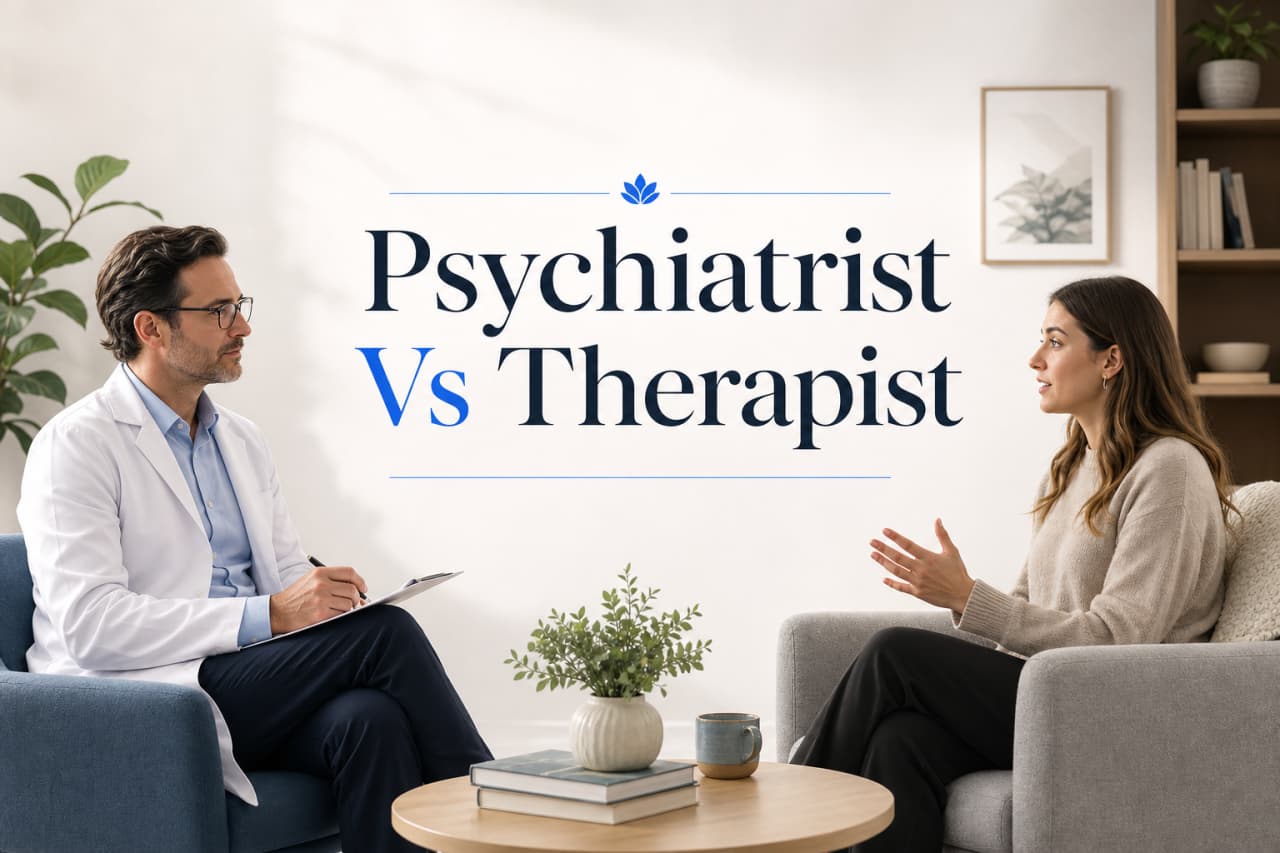
Psychiatrist Vs Therapist
Compare psychiatrist vs therapist roles, learn what psychologists do, and find out how medication, counseling, and dual diagnosis care can support your recovery.
NHH
New Hope HealthHIPAA-compliant · Same-day admissions available
Learn how involuntary commitment works in Tennessee, when a mental health or addiction crisis may qualify, and what Knoxville families should know before acting.
New Hope Health
Editorial Team

When substance abuse or severe mental illness creates a crisis, Knoxville families may hear terms such as involuntary commitment, civil commitment, or involuntary hospitalization for the first time. The legal framework can involve a healthcare provider, social workers, an emergency room, a mental health facility, probate court, legal counsel, and a court hearing, leaving families unsure about what each step means. This guide explains Tennessee’s involuntary civil commitment process, mental health services, and treatment options so families can better understand what may happen when someone is unable or unwilling to voluntarily admit for care.
Involuntary commitment is a legal process that allows a person experiencing a serious mental health or addiction-related crisis to receive evaluation and treatment without voluntarily agreeing to care. In Tennessee, a person must meet specific legal and clinical requirements before involuntary treatment can occur. The process may become necessary when severe substance use, psychiatric symptoms, or a co-occurring disorder creates an immediate safety concern or prevents a person from recognizing the need for treatment.
Tennessee law allows involuntary emergency admission when a person meets specific legal requirements related to mental illness or serious emotional disturbance and presents a substantial likelihood of serious harm. The process generally requires an evaluation by an authorized professional and documentation that the legal criteria are met. Involuntary commitment is intended for serious situations and is different from choosing voluntary addiction or mental health treatment.
Addiction alone does not automatically mean a person qualifies for involuntary commitment. Severe substance use can contribute to overdose risk, suicidal behavior, psychosis, impaired judgment, or another mental health crisis that may lead professionals to evaluate whether Tennessee's commitment requirements are met. Families should seek emergency help when substance use creates an immediate threat to the person's safety or the safety of others.
Tennessee's involuntary commitment process is governed by Title 33 and requires specific criteria to be established rather than simply showing that a person uses drugs or alcohol. The requirements depend on the type of admission and circumstances, so families should rely on qualified crisis professionals and current Tennessee guidance when determining whether involuntary admission may apply.
Involuntary commitment laws often consider whether less restrictive treatment is adequate, while grave disability can describe an inability to meet basic needs because of mental illness; patients may also have legal options to challenge a wrongful commitment.
After an emergency involuntary admission, the patient may undergo psychiatric and medical evaluation to determine the nature and severity of the crisis. Providers may address immediate safety concerns, mental health symptoms, intoxication, withdrawal, and other medical needs.
Patients are generally informed of their rights within 24 hours of admission. A patient may also request an independent evaluation at their own cost, and involuntary commitment does not automatically limit ordinary rights as a citizen. Further treatment or legal steps depend on the person's condition and whether the requirements for continued involuntary care are met.
A severe addiction crisis can involve overdose, respiratory depression, seizures, heart problems, injuries, severe withdrawal, or loss of consciousness. Mixing opioids with alcohol, benzodiazepines, or other central nervous system depressants can further increase overdose risk.
Any suspected overdose, breathing difficulty, seizure, or loss of consciousness requires immediate emergency medical attention.
Substance use and mental health disorders often occur together. SAMHSA reported that about 21.2 million U.S. adults had both a substance use disorder and mental illness in 2024, showing the significant overlap between these conditions.
Addiction commonly occurs with mental health conditions such as major depressive disorder, generalized anxiety disorder, panic disorder, bipolar disorder, PTSD, schizophrenia, and other psychotic disorders.
Mental health symptoms may contribute to substance use, while repeated alcohol or drug use can make existing psychiatric symptoms harder to manage. During a severe crisis, co-occurring disorders can increase impaired judgment, impulsive behavior, emotional instability, self-harm risk, and difficulty recognizing the need for treatment.
Depression and anxiety can contribute to alcohol or drug use as a way to cope with persistent sadness, fear, panic, insomnia, or emotional distress. Alcohol and other substances may provide temporary relief but can worsen mood, anxiety, sleep, judgment, and physical health over time.
During a crisis, intoxication or withdrawal may increase panic, hopelessness, impulsive behavior, suicidal thoughts, and other serious safety concerns.
People with bipolar disorder may use alcohol or drugs during manic, depressive, or mixed episodes, which can increase impulsivity, poor judgment, mood instability, and unsafe behavior.
People with PTSD may use substances to cope with intrusive memories, nightmares, hypervigilance, anxiety, or sleep problems. Substance use can worsen these symptoms, interfere with mental health treatment, and increase the risk of a serious behavioral health crisis.
Methamphetamine, cocaine, cannabis, hallucinogens, and other substances can contribute to paranoia, hallucinations, delusions, agitation, or severe confusion. Alcohol and benzodiazepine withdrawal can also cause hallucinations, seizures, and delirium in severe cases.
Substance use disorders are associated with increased suicide risk, especially when depression, bipolar disorder, PTSD, anxiety, or another mental health condition is also present. Alcohol and drug intoxication can impair judgment, lower inhibitions, and increase impulsive behavior, while withdrawal may worsen anxiety, depression, agitation, or hopelessness.
Suicidal thoughts, threats, plans, or attempts during a substance use crisis require immediate professional evaluation because the risk of serious injury or death can increase quickly.
Tennessee allows emergency involuntary admission when specific legal and clinical requirements are met. A qualified professional must evaluate whether the person's mental health condition and risk of serious harm meet the requirements for emergency admission.
In many cases, this process begins at a hospital with a short emergency hold that typically lasts 48 to 72 hours pending assessment and stabilization.
Families should call 911 or seek emergency medical care when a person has overdosed, cannot breathe normally, is unconscious, is suicidal, threatens serious harm, or shows other life-threatening symptoms.
Tennessee's 988 Suicide & Crisis Lifeline can also connect people with crisis support during a mental health or substance use emergency. Community members may act on behalf of someone in crisis by seeking an involuntary commitment proceeding so the person can be evaluated and treated.
Involuntary commitment does not cure addiction or guarantee long-term recovery. Involuntary or forced care can also affect trust and willingness to participate in treatment, while legal requirements limit when commitment can be used. Critics argue compulsory treatment may undermine personal autonomy and human rights.
Continued addiction and mental health treatment is often needed after the immediate crisis ends. Clinical guidance from the American Psychiatric Association and StatPearls Publishing in Treasure Island, along with a systematic review in Lancet Psychiatry, shows that involuntary commitment uses different criteria across other countries and may provide a legal means for a mentally ill person to undergo treatment at a treatment facility when taking care of their safety or other individuals could save someone’s life.
Involuntary commitment focuses on immediate safety when legal criteria are met, while voluntary treatment allows a person to actively choose and participate in recovery.
Voluntary addiction treatment generally provides more opportunities for ongoing therapy, relapse prevention, medication management, and recovery planning.
Family members can encourage treatment attendance, learn about addiction and co-occurring disorders, maintain healthy boundaries, and help create a safer home environment. They can also help the person follow an individualized treatment plan after the immediate crisis.
Ongoing support can make it easier for the person to receive treatment voluntarily. Family therapy and support groups can also help relatives address communication, stress, and recovery expectations.
Seek immediate help for an overdose, suicidal behavior, severe withdrawal, psychosis, violence, or another life-threatening crisis.
Professional addiction treatment should also be considered when substance use repeatedly affects health, relationships, work, responsibilities, or the ability to stop using.
Medical Detox provides medical monitoring and treatment for withdrawal when needed.
Provides structured, 24-hour support for addiction and co-occurring mental health disorders.
Provides intensive daytime treatment without overnight residential care and can help patients transition back into the community after stabilization.
Provides structured therapy several days per week while patients continue living at home.
Outpatient Treatment provides counseling, medication management, and recovery support in the community with fewer weekly treatment hours.
Dual Diagnosis Treatment addresses substance use disorders and co-occurring mental health conditions together.
Uses approved medications with counseling and behavioral care for certain substance use disorders.
Many health insurance plans cover services for substance use disorders and mental health conditions, but benefits vary by plan, provider network, medical necessity, and level of care.
Coverage may include residential treatment, outpatient programs, therapy, medication management, and other behavioral health services.
Involuntary commitment may serve as a last resort when severe mental illness, substance abuse, or an immediate danger prevents someone from seeking appropriate treatment. While involuntary hospitalization can provide short-term safety and stabilization, continued mental health services and addiction treatment may be necessary after the immediate crisis ends.
Understanding available treatment options can help individuals and families plan for ongoing recovery and greater stability.
At New Hope Healthcare, as an in-network provider we work with most insurance plans, such as:
If you or a loved one are struggling with mental health challenges or substance abuse, seeking treatment and emotional support is crucial.
Consulting a doctor can provide the necessary support and guidance for your teen. Reach out to New Hope Healthcare today. Our team of compassionate professionals is here to support your journey towards lasting well-being.
Effective medication management is a crucial part of the treatment process to ensure safety and success.
Give us a call at 866-799-0806.
Involuntary commitment is a legal process that can allow a person experiencing a serious mental health or substance use crisis to receive evaluation and treatment without voluntary consent.
Substance use may be involved in an involuntary commitment when a person meets Tennessee's legal requirements for emergency detention or hospitalization.
The length varies based on the person's condition, clinical evaluations, legal requirements, and whether continued treatment is necessary.
Eligibility depends on specific legal criteria involving mental illness or serious emotional disturbance and the level of risk or need for care.
Family members can report a crisis and seek help, but qualified professionals and the legal process determine whether commitment criteria are met.
The person may receive an evaluation, stabilization, and treatment, followed by recommendations for residential, outpatient, or other ongoing care when appropriate.
In This Article
Tags
Compare psychiatrist vs therapist roles, learn what psychologists do, and find out how medication, counseling, and dual diagnosis care can support your recovery.
Learn how alcohol cancer risk changes with drinking, which cancers are linked to alcohol, and when to seek support for reduced drinking or treating alcohol use.
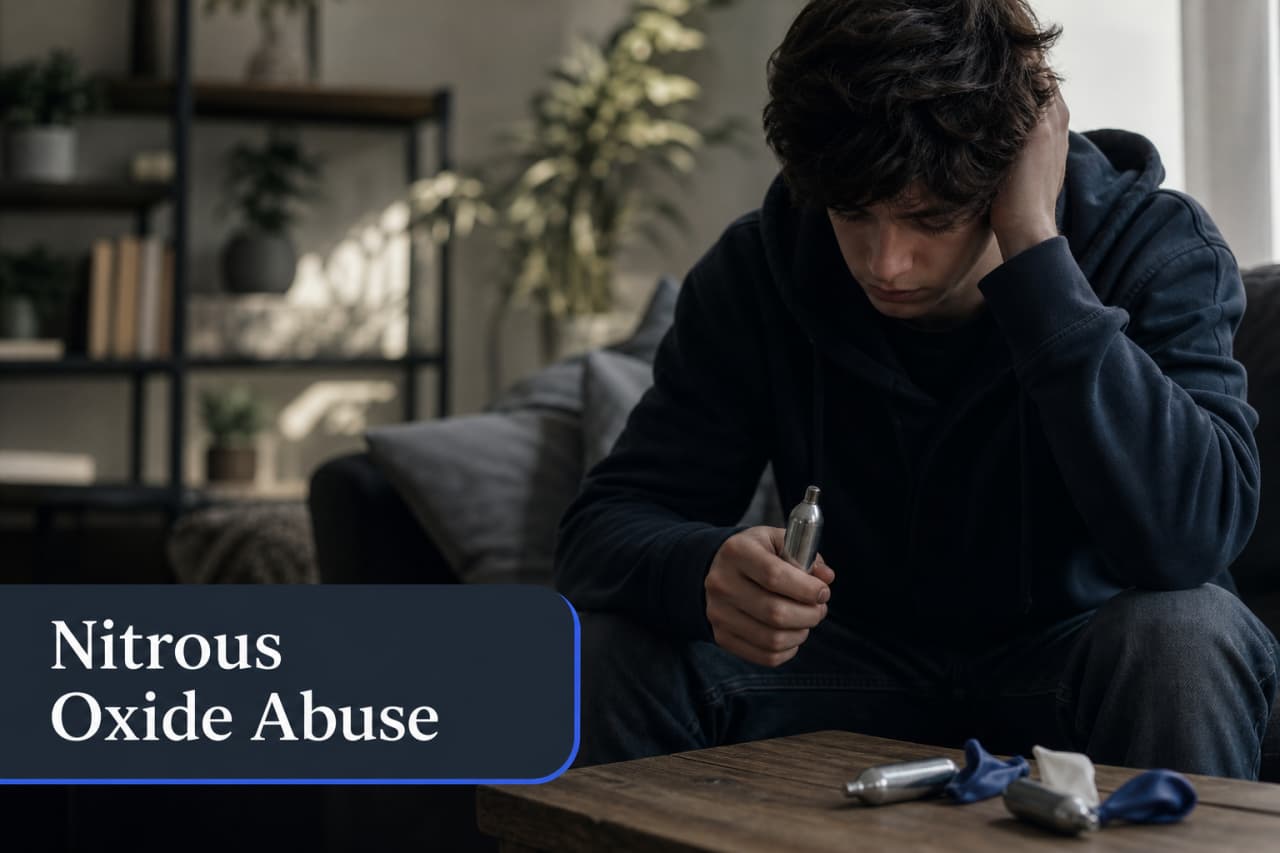
Learn how nitrous oxide abuse treatment can help address whippets misuse, nerve damage, and health risks, plus when to seek medical care and recovery support.
Adolescent Opioid Use Disorder in Tennessee: When Medication Treatment and Family Support Belong Together The opioid crisis continues to affect young.

for Anxiety and Addiction in Knoxville: How ACT Supports Recovery Acceptance and commitment therapy offers a different.
Learn how alcohol-associated liver disease and alcohol use disorder treatment can work together with medical care, counseling, medication, and recovery support.
New Hope Healthcare Institute offers confidential admissions support for addiction and mental health care—adults and teens—in Knoxville. Call or text 24/7. Verification is not a guarantee of coverage or admission.