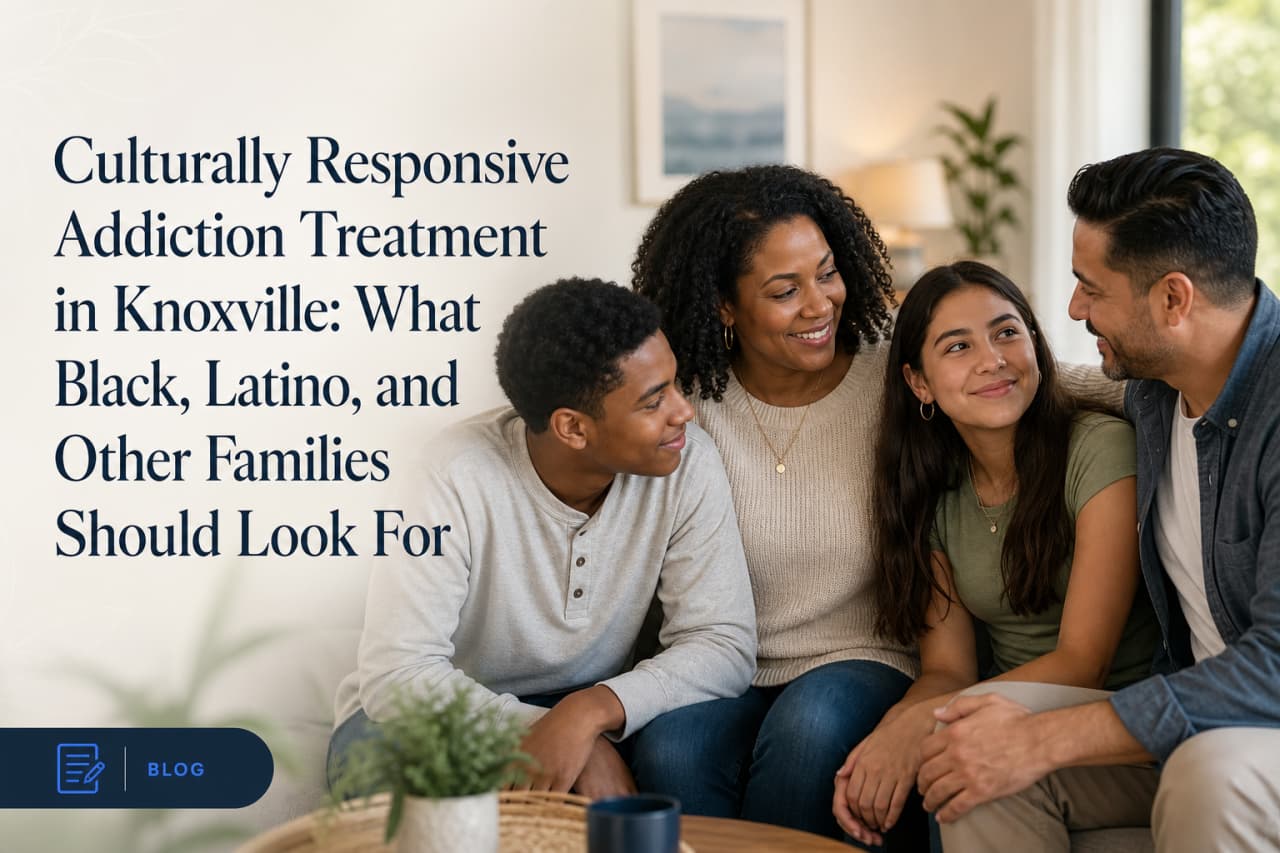
Culturally Responsive Addiction Treatment in Knoxville: What Black, Latino, and Other Families Should Look For
Addiction can affect people across every culture and community, but experiences with substance abuse treatment are not always the same. Cultural norms, language, family relationships, historical experiences, and cultural barriers can shape how diverse populations view substance use treatment and mental health services. Understanding culturally responsive addiction treatment can help Black, Latino, and other families in Knoxville explore how cultural competence and culturally responsive practices fit into modern addiction care.
What Is Culturally Responsive Addiction Treatment?
Culturally responsive addiction treatment recognizes that culture, language, family values, identity, beliefs, and life experiences can shape substance use, attitudes about treatment, and the recovery process. Providers use this understanding to communicate clearly, build trust, reduce barriers to care, and develop treatment plans that respect each person’s background and individual needs.
This approach can also address stigma, discrimination, trauma, and family or community influences that may affect a person’s willingness to seek or remain in treatment. Culturally responsive care can be incorporated into individual and group therapy, family support, medication-assisted treatment, relapse prevention, and dual diagnosis care for co-occurring mental health conditions. The goal is to provide effective addiction treatment while making sure patients feel heard, respected, and able to participate actively in their recovery.
Barriers to Addiction Treatment for Black, Latino, and Other Communities
Black, Latino, American Indian and Alaska Native, Asian, and other communities can face barriers that make addiction treatment harder to access or continue. Common barriers include treatment costs, limited insurance coverage, transportation problems, lack of culturally responsive providers, language differences, stigma, and concerns about discrimination.
These barriers can delay treatment for alcohol, opioid, cocaine, methamphetamine, cannabis, and other substance use disorders and increase the risk of serious health consequences.
How Stigma and Discrimination Can Affect Addiction Recovery
Stigma can cause people to hide substance use, avoid discussing addiction with family or healthcare providers, or delay seeking treatment. Experiences with racial discrimination, unequal healthcare, and health care disparities can weaken trust in treatment providers and make some patients less willing to remain in care.
Reducing stigma and providing respectful, culturally responsive addiction treatment can help patients feel safer discussing substance use, mental health symptoms, relapse, and recovery needs.
Why Language Access and Clear Communication Matter in Addiction Treatment
Patients need to understand their diagnosis, medications, therapy options, treatment expectations, and relapse prevention plan. Language barriers can make it harder to discuss withdrawal symptoms, cravings, mental health concerns, medication risks, or the use of alcohol and other drugs.
Professional interpreters, bilingual services, and clear communication can help patients and families make informed decisions and participate more fully in treatment.
Building Trust Between Patients, Families, and Addiction Treatment Providers
Trust can influence whether a person enters treatment, discusses substance use openly, follows a treatment plan, and stays connected to recovery services. Providers can build trust through respectful communication, patient involvement, consistent care, privacy, and recognition of cultural and family values.
Trust is especially important for patients who have experienced discrimination, stigma, or negative interactions with healthcare systems.
How Cultural Beliefs Can Influence Substance Use and Recovery
Cultural and family beliefs can influence attitudes about alcohol, marijuana, prescription opioids, heroin and fentanyl, cocaine, methamphetamine, and other substances. For example, alcohol use may be accepted in some social or family settings, while opioid addiction, stimulant use, or seeking behavioral health treatment may carry strong stigma in others.
Culturally responsive treatment considers these differences without making assumptions about an individual based on race or ethnicity.
Prevalence and Disparities in Addiction Treatment Across Racial and Ethnic Groups
Substance use disorders affect people across every racial and ethnic group, and from a broader public health perspective, treatment access and overdose outcomes are not equal. CDC data show that in 2024, age-adjusted drug overdose death rates declined across all reported racial and Hispanic-origin groups, but major disparities remained; American Indian and Alaska Native people had the highest rate at 51.6 deaths per 100,000, followed by Black people at 33.8 per 100,000.
The drug overdose crisis has also affected racial ethnic communities unevenly; in 2020, Black people had a fatal overdose rate of 38.9 per 100,000. Treatment gaps are also widespread. CDC reports that 54.2 million Americans age 12 or older needed substance use disorder treatment in 2023, while 12.8 million people with a past-year substance use disorder received treatment. Earlier CDC research also found that treatment receipt was lowest among Black, Hispanic, and American Indian or Alaska Native groups, showing why access and culturally responsive care remain important.
Effects and Risks of Untreated Substance Use Disorders
Short-Term Effects
- Intoxication and impaired judgment
- Accidents and injuries
- Alcohol or drug poisoning
- Opioid overdose and slowed breathing
- Anxiety, panic, paranoia, or aggression
- Dangerous interactions between substances
- Problems at work, school, or home
Long-Term Effects
- Substance dependence and addiction
- Liver, heart, lung, and other health problems
- Depression, anxiety, and other mental health conditions
- Cognitive and memory problems
- Relationship and financial problems
- Increased relapse and overdose risk
- Disability, chronic illness, or premature death
How Trauma, Discrimination, and Chronic Stress Can Affect Substance Use
Trauma, discrimination, financial strain, unsafe environments, and chronic stress should be understood within the historical and contemporary issues affecting communities during the broader substance abuse crisis, as they can affect mental health and increase vulnerability to substance misuse.
Some people may use alcohol, cannabis, opioids, cocaine, methamphetamine, or prescription drugs to cope with anxiety, depression, traumatic memories, sleep problems, or emotional distress. Substance use may provide temporary relief but can worsen mental health symptoms and increase the risk of dependence, addiction, and overdose.
Co-Occurring Mental Health Conditions and Addiction
Substance use disorders often occur alongside mental health conditions. Alcohol use disorder may occur with depression or anxiety, opioid use disorder may occur with PTSD or depression, and cocaine or methamphetamine addiction may occur with anxiety, depression, paranoia, or other psychiatric symptoms.
Cannabis use disorder can also occur with anxiety, depression, or psychotic disorders, while misuse of prescription sedatives may occur alongside anxiety or sleep disorders. Treatment should assess both substance use and mental health symptoms because one condition can affect the course and treatment of the other.
Benefits of Culturally Responsive Addiction Treatment
Such treatment is generally acceptable to many patients because it helps them feel more respected and understood in care.
- Builds trust between patients and providers
- Improves communication
- Reduces language barriers
- Recognizes cultural beliefs and values
- Addresses stigma and discrimination
- Supports family involvement
- Improves treatment engagement
- Supports individualized recovery planning
- Addresses addiction and mental health together
Impactful treatment strategies utilizing cultural factors can support providing culturally responsive substance use care, with some approaches to substance use showing acceptability and helping advance efforts aimed at revolutionizing mental health care.
Family, Community, Cultural Values, and Peer Support in Addiction Recovery
Family and community relationships can strongly influence recovery, but their roles differ across individuals and cultures. Treatment can include family education, healthy boundaries, communication skills, and culturally meaningful sources of support when the patient wants them involved.
Some recovery approaches involve community leaders or lay health workers who are trusted in the community. Peer support can also connect people with others who understand addiction and recovery. Providers should discuss each patient's family structure, spiritual or cultural values, community connections, and personal preferences rather than assuming that everyone from the same cultural background shares the same beliefs.
Culturally grounded interventions are often developed through community-based participatory research and may work best when health workers show personal involvement in the community and involve community leaders.
Culturally Responsive Assessment and Individualized Treatment Planning
A culturally responsive assessment examines substance use, withdrawal and overdose risks, physical and mental health, trauma, medications, family relationships, and previous treatment. It also considers language needs, cultural beliefs, discrimination, financial or transportation barriers, and other factors that may affect treatment.
Providers use this information to determine the appropriate level of care and create an individualized treatment plan based on clinical needs, recovery goals, and preferences. The Substance Abuse and Mental Health Services Administration supports cultural sensitivity in community mental health and addiction medicine, while initial evidence from culturally adapted, empirically based programs provides clinically relevant suggestions for culturally responsive substance use care.
Dual Diagnosis Therapy and Medication-Assisted Treatment
Dual diagnosis treatment addresses addiction and co-occurring conditions such as depression, anxiety, PTSD, or bipolar disorder together. Medication-assisted treatment may include buprenorphine, methadone, or naltrexone for opioid use disorder and medications such as naltrexone or acamprosate for alcohol use disorder when appropriate.
Effective care may also include pharmacological intervention alongside therapy and, when relevant, community and pharmacological intervention strategies that support long-term recovery. Cultural responsiveness relies on psychology and addiction medicine, steady clinical consultation, and timely and relevant insight to support culturally competent substance use care and impactful treatment strategies.
Relapse Prevention and Long-Term Recovery Across Cultures
Relapse prevention helps patients identify personal triggers, cravings, high-risk situations, and early warning signs of returning to substance use. Cultural expectations, family relationships, discrimination, social environments, and community attitudes about alcohol or drugs may be relevant triggers or protective factors for some people.
Long-term recovery plans may include ongoing therapy, medication management, peer support, family involvement, healthy routines, and community resources. Recovery plans should reflect the patient's individual needs rather than relying on assumptions about their cultural background.
Residential, PHP, IOP, and Outpatient Addiction Treatment Options
Residential treatment provides a structured living environment, while PHP provides intensive daytime care. IOP provides structured treatment several days per week, while outpatient treatment offers scheduled therapy and recovery services with greater independence. Culturally responsive care should be available across existing treatment settings and not limited to only one level of care within treatment programs.
What Families Should Look for in a Culturally Responsive Treatment Program
Families should look for language access, respectful communication, individualized care, family involvement, dual diagnosis services, and awareness of cultural differences. Programs should avoid stereotypes while providing evidence-based addiction treatment based on each patient's needs, and contemporary culturally responsive approaches also rely on organizational practices and program leadership, not just clinician intent.
Families can also ask whether the program has taken steps toward organizational reform to support tailored and inclusive interventions. Cultural humility emphasizes ongoing self-reflection and awareness of power imbalances, yet culturally responsive practices remain uneven, with one study finding that only 22% of SUD treatment supervisors matched clients and therapists by race.
When to Seek Help
Treatment may be needed when alcohol or drug use becomes difficult to control, causes withdrawal or cravings, or harms health, relationships, work, or daily responsibilities. Overdose, severe withdrawal, difficulty breathing, suicidal behavior, or another immediate safety threat requires emergency care.
Culturally Responsive Addiction Treatment Options
Residential Treatment
Structured addiction and mental health care in a residential setting.
PHP
PHP provides intensive daytime treatment without overnight residence.
IOP
Structured treatment several days per week with greater independence.
Outpatient Treatment
Outpatient Treatment provides scheduled therapy and ongoing recovery support.
Individual and Group Therapy
Addresses substance use, mental health, trauma, triggers, and coping skills.
Dual Diagnosis Treatment
Treats addiction and mental health conditions together.
Medication-Assisted Treatment
Uses approved medications with behavioral treatment for certain substance use disorders.
Family Support
Provides education and recovery support while respecting cultural and family values.
Does Insurance Cover Treatment?
Many insurance plans cover substance use and mental health treatment when medically necessary, but benefits vary. Patients should verify coverage for residential treatment, PHP, IOP, outpatient services, medications, provider networks, deductibles, and prior authorization requirements.
Conclusion
Culturally responsive substance use treatment recognizes that effective care should consider each person’s cultural context alongside their substance use, mental health, and recovery needs. Culturally responsive interventions, cultural adaptations, evidence-based interventions, pharmacological treatment, family involvement, and community support can help treatment systems address racial and ethnic disparities while improving treatment access and treatment outcomes.
Strong cultural competency and culturally competent practice can help treatment settings provide more inclusive care for African Americans, Latino communities, ethnic minority patients, and other diverse populations.
Seeking Treatment? We Can Help!
At New Hope Healthcare, as an in-network provider we work with most insurance plans, such as:
If you or a loved one are struggling with mental health challenges or substance abuse, seeking treatment and emotional support is crucial.
Consulting a doctor can provide the necessary support and guidance for your teen. Reach out to New Hope Healthcare today. Our team of compassionate professionals is here to support your journey towards lasting well-being.
Effective medication management is a crucial part of the treatment process to ensure safety and success.
Give us a call at 866-799-0806.
FAQs
What Is Culturally Responsive Addiction Treatment?
It is addiction care that considers a person’s culture, language, family values, identity, and experiences when planning treatment.
Why Does Cultural Responsiveness Matter in Addiction Treatment?
It can strengthen trust, communication, treatment engagement, and a patient’s ability to participate in recovery.
Can Culturally Responsive Treatment Address Mental Health Conditions Too?
Yes. Dual diagnosis treatment can address addiction alongside depression, anxiety, PTSD, and other mental health conditions.
People Also Ask
What Should Families Look for in Culturally Responsive Addiction Treatment?
Look for respectful communication, language access, individualized care, family involvement, and awareness of cultural differences.
How Does Culture Affect Addiction and Recovery?
Culture can influence beliefs about substance use, stigma, family roles, treatment, mental health, and asking for help.
What Treatments Can Be Part of Culturally Responsive Addiction Care?
Care may include residential treatment, PHP, IOP, outpatient care, therapy, medication-assisted treatment, and family support.
Sources