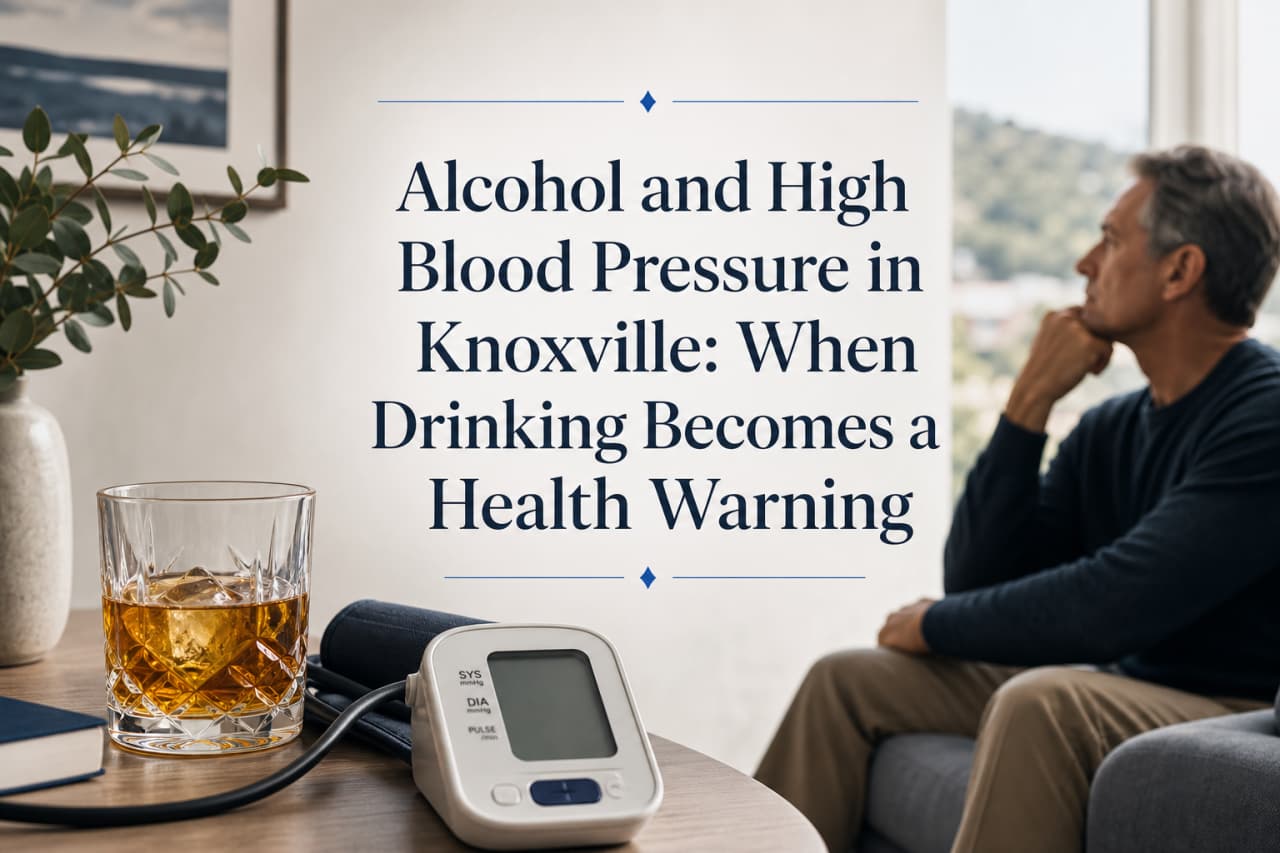
Alcohol and high blood pressure have a clear relationship, especially as alcohol consumption increases. Heavy drinkers may develop higher systolic blood pressure, the top number in a blood pressure reading that measures the force against artery walls, which can contribute to a higher risk of cardiovascular disease, heart attacks, and other health problems. Recognizing how alcohol intake, drinking habits, age, smoking, diet, and other lifestyle factors affect heart health can help people understand when alcohol drinking has become a health warning.
How Alcohol Affects Blood Pressure
Alcohol can raise blood pressure by affecting the nervous system, blood vessels, heart rate, and fluid balance. Drinking heavily or frequently can contribute to hypertension over time, and heavy drinkers may have about 8% higher systolic blood pressure in the evening, while binge drinking may cause temporary blood pressure spikes for several hours and place added strain on the heart.
Alcohol can also affect sleep, weight, and medication use, which may make blood pressure harder to manage. For people with alcohol use disorder, continued heavy drinking can increase the risk of heart disease, stroke, and other health problems linked to uncontrolled high blood pressure, underscoring its broader cardiovascular impact.
Health Risks of Alcohol and High Blood Pressure
Heavy alcohol use and high blood pressure can place added strain on the heart, arteries, kidneys, and circulatory system. When blood pressure stays elevated, the heart must work harder to move blood throughout the body, while alcohol may add further cardiovascular stress. Over time, this combination can increase the risk of heart disease, stroke, irregular heartbeat, kidney damage, and other serious health problems.
How Much Alcohol Consumption Can Raise Blood Pressure?
The effect of alcohol on blood pressure depends on how much a person drinks, how often they drink, and their overall health. In the U.S., a standard drink is 12 oz of beer, 5 oz of wine, or 1.5 oz of spirits. Heavy and frequent alcohol use is more strongly associated with hypertension, while moderate alcohol consumption is generally defined as no more than 2 drinks per day for men and 1 drink per day for women.
Binge drinking can cause temporary spikes in blood pressure. Regularly exceeding 14 standard drinks per week increases hypertension and broader health risks. People who already have hypertension may have more difficulty controlling their blood pressure when regular heavy drinking continues. Drinking four drinks per day is associated with a much larger rise in blood pressure.
Current guidelines emphasize moderation because consuming alcohol can contribute to high blood pressure, a leading cardiovascular risk factor affecting nearly half of U.S. adults.
Binge Drinking, Heavy Alcohol Use, and Hypertension
Binge drinking can cause short-term increases in blood pressure and heart rate as the body processes a large amount of alcohol. Repeated binge drinking and long-term heavy alcohol use may contribute to persistent hypertension and increase stress on the cardiovascular system.
These drinking patterns can also become signs of alcohol misuse when a person struggles to reduce their intake despite physical or personal consequences.
Can High Blood Pressure Improve After You Stop Drinking?
Blood pressure may improve when a person reduces or stops heavy alcohol use, especially when alcohol has contributed to hypertension. Some people may notice systolic blood pressure improve after cutting back, with reductions reported after stopping regular intake such as two drinks per day; two drinks can lower systolic blood pressure by 5.6 (mmHg, millimeters of mercury).
Improvement can vary based on drinking history, existing cardiovascular conditions, medications, weight, diet, activity level, and other health factors. People with alcohol dependence should seek medical guidance before suddenly stopping because withdrawal itself can cause dangerous increases in blood pressure.
Signs Alcohol Use May Be Becoming an Addiction
- Drinking more or longer than intended
- Being unable to cut down or stop drinking
- Strong alcohol cravings
- Needing more alcohol to feel the same effects
- Experiencing withdrawal symptoms
- Continuing to drink despite health problems
- Neglecting work, family, or other responsibilities
- Spending significant time drinking or recovering from alcohol
Alcohol Withdrawal and Blood Pressure Changes
People who develop physical dependence on alcohol may experience withdrawal when they suddenly reduce or stop drinking. Withdrawal can cause elevated blood pressure, increased heart rate, sweating, shaking, anxiety, nausea, sleep problems, and agitation.
Severe withdrawal can involve seizures or delirium tremens and may require medical detox or other supervised care.
Alcohol and Blood Pressure Medication Interactions
Alcohol can interact with certain medications used to control hypertension and may increase side effects such as dizziness, weakness, fainting, or changes in blood pressure. Drinking can also make blood pressure management more difficult if alcohol itself contributes to hypertension.
People taking blood pressure medication should discuss their alcohol use with a healthcare provider and avoid changing prescribed medications without medical guidance.
Alcohol Addiction and Cardiovascular Health
Long-term heavy alcohol use can affect the heart and circulatory system beyond its effects on blood pressure. Alcohol use disorder may contribute to hypertension, irregular heart rhythms, weakened heart muscle, stroke risk, and other cardiovascular problems that are also relevant in cardiology settings.
Addressing alcohol addiction can therefore become an important part of protecting both long-term recovery and physical health.
Prevalence of Alcohol Use and High Blood Pressure
Alcohol use is common among U.S. adults, and high blood pressure is also a widespread health condition. High blood pressure is common in part because most people do not notice symptoms until their readings are checked.
Because heavy drinking is a modifiable risk factor for hypertension, screening for alcohol use can be an important part of managing blood pressure and overall cardiovascular health. Population-based research also supports the association between heavier alcohol use and hypertension risk.
Effects and Risks of Alcohol on Blood Pressure
Short-Term Effects
- Temporary increases in blood pressure
- Changes in heart rate
- Dehydration
- Dizziness or lightheadedness
- Medication interactions
- Higher blood pressure during alcohol withdrawal
- Alcohol may affect morning blood pressure patterns for several hours after drinking
Long-Term Effects
- Chronic high blood pressure
- Increased risk of heart disease
- Higher stroke risk
- Irregular heart rhythms
- Damage to the heart muscle
- Greater risk of kidney and cardiovascular complications
- Over time, alcohol can contribute to stiffer, less elastic blood vessels
Alcohol Use Disorder and Co-Occurring Mental Health Conditions
Alcohol use disorder often occurs with depression, anxiety disorders, post-traumatic stress disorder, bipolar disorder, and other mental health conditions.
Some people use alcohol to cope with sadness, anxiety, trauma symptoms, stress, or sleep problems, but repeated drinking can worsen mood changes, anxiety, impulsivity, and sleep. Integrated treatment can address alcohol use and mental health symptoms together while helping people develop healthier coping skills and reduce relapse risk.
Alcohol Use Disorder and Co-Occurring Substance Abuse
Alcohol use disorder can occur alongside misuse of opioids, benzodiazepines, stimulants, cannabis, prescription medications, or other substances.
Combining alcohol with opioids or benzodiazepines is especially dangerous because these substances can slow breathing, increase sedation, impair judgment, and raise overdose risk. Treatment can identify each substance involved, assess withdrawal and medication risks, and address patterns of polysubstance use that may make recovery more difficult.
Benefits of Reducing or Stopping Alcohol Use
- Better blood pressure management
- Reduced strain on the heart
- Improved sleep quality
- Better liver health
- Improved mood and concentration
- Fewer alcohol and medication interactions
- Reduced risk of alcohol-related accidents
- Lower risk of alcohol-related health complications
- Improved ability to maintain healthy routines
- Greater stability during addiction recovery
Managing Blood Pressure During Alcohol Recovery
Blood pressure can change during early alcohol recovery, especially if a person has been drinking heavily or develops withdrawal symptoms. Medical providers may monitor blood pressure, heart rate, medications, hydration, withdrawal symptoms, and other cardiovascular risk factors during this period.
Continued medical care can help determine whether hypertension improves after alcohol use stops or requires ongoing treatment.
Building Long-Term Recovery and Supporting Heart Health
Long-term recovery can support heart health by reducing repeated exposure to heavy alcohol use and helping people build healthier daily routines. Regular medical care, physical activity, balanced nutrition, adequate sleep, stress management, medication adherence, therapy, and relapse prevention can support both cardiovascular health and continued sobriety; remember that cutting back on alcohol, along with sleep, activity, and nutrition, can also support better blood pressure control.
How Addiction Treatment Can Support Heart Health
Addiction treatment can help people reduce or stop harmful alcohol use while addressing the behaviors and mental health conditions that contribute to drinking. Treatment may include medical monitoring, individual and group therapy, medication management, relapse prevention, and treatment for co-occurring disorders.
Reducing heavy alcohol use can remove an important risk factor that may contribute to high blood pressure and cardiovascular problems.
When to Seek Help
A person should consider professional help when alcohol use becomes difficult to control, causes withdrawal symptoms, worsens high blood pressure, interferes with medications, or continues despite physical or mental health problems.
Emergency medical care may be necessary for severe alcohol withdrawal, seizures, chest pain, difficulty breathing, fainting, signs of stroke, or dangerously high blood pressure with concerning symptoms.
Alcohol Addiction Treatment Options
Medical Detox
Medical Detox provides medical monitoring and management of alcohol withdrawal when needed.
Residential Treatment
Provides structured, 24-hour support for people who need a higher level of addiction care.
Partial Hospitalization Program
Partial Hospitalization Program provides intensive daytime treatment while allowing patients to live outside the treatment setting.
Intensive Outpatient Program
Intensive Outpatient Program provides structured therapy several days per week while allowing patients to maintain many daily responsibilities.
Outpatient Treatment
Provides scheduled counseling, behavioral health care, and recovery support with greater flexibility.
Medication-Assisted Treatment
Uses FDA-approved medications when appropriate to help reduce alcohol cravings or support abstinence.
Dual Diagnosis Treatment
Dual Diagnosis Treatment addresses alcohol use disorder and co-occurring mental health conditions together.
Individual and Group Therapy
Helps people identify triggers, build coping skills, change drinking patterns, and reduce relapse risk.
Does Insurance Cover Treatment?
Many health insurance plans provide coverage for alcohol addiction and mental health treatment, but benefits vary by plan, provider, medical necessity, and level of care. Coverage may include detox, residential treatment, outpatient care, IOP, therapy, medication management, and co-occurring mental health services.
Patients can verify their benefits before treatment to understand eligibility, authorization requirements, deductibles, copays, and other potential costs.
Conclusion
Reducing alcohol intake, avoiding binge drinking, eating a healthy diet, and making other lifestyle changes can support healthier blood pressure and recovery. While the American Heart Association advises moderation, such as one drink for women and up to two drinks for men, and more than one study and article support using limits as a practical guide, alcohol can affect people differently through several mechanisms, and even beer, wine, or a single glass with meals still contributes to total consumption.
If drinking becomes difficult to control or starts affecting physical or mental health, addiction treatment can address the role alcohol plays and support lasting changes.
Seeking Treatment? We Can Help!
At New Hope Healthcare, as an in-network provider we work with most insurance plans, such as:
If you or a loved one are struggling with mental health challenges or substance abuse, seeking treatment and emotional support is crucial.
Consulting a doctor can provide the necessary support and guidance for your teen. Reach out to New Hope Healthcare today. Our team of compassionate professionals is here to support your journey towards lasting well-being.
Effective medication management is a crucial part of the treatment process to ensure safety and success.
Give us a call at 866-799-0806.
FAQs
Can Alcohol Cause High Blood Pressure?
Yes. Regular heavy drinking can raise blood pressure and increase the risk of hypertension and cardiovascular problems.
Will Blood Pressure Go Down After Stopping Alcohol?
Blood pressure may improve after reducing or stopping alcohol, but results depend on drinking patterns, overall health, and other risk factors.
Can Alcohol Withdrawal Cause High Blood Pressure?
Yes. Alcohol withdrawal can temporarily raise blood pressure and heart rate, especially in people with physical alcohol dependence.
People Also Ask
How Much Alcohol Is Too Much With High Blood Pressure?
Alcohol can affect blood pressure even at moderate levels, while heavier and more frequent drinking generally increases the risk.
Can You Drink Alcohol While Taking Blood Pressure Medication?
Alcohol can interact with some blood pressure medications and may increase dizziness, fainting, or other side effects.
When Should Someone Seek Treatment for Alcohol Use?
Treatment may help when drinking is difficult to control, causes withdrawal, affects physical or mental health, or continues despite harmful consequences.
Sources