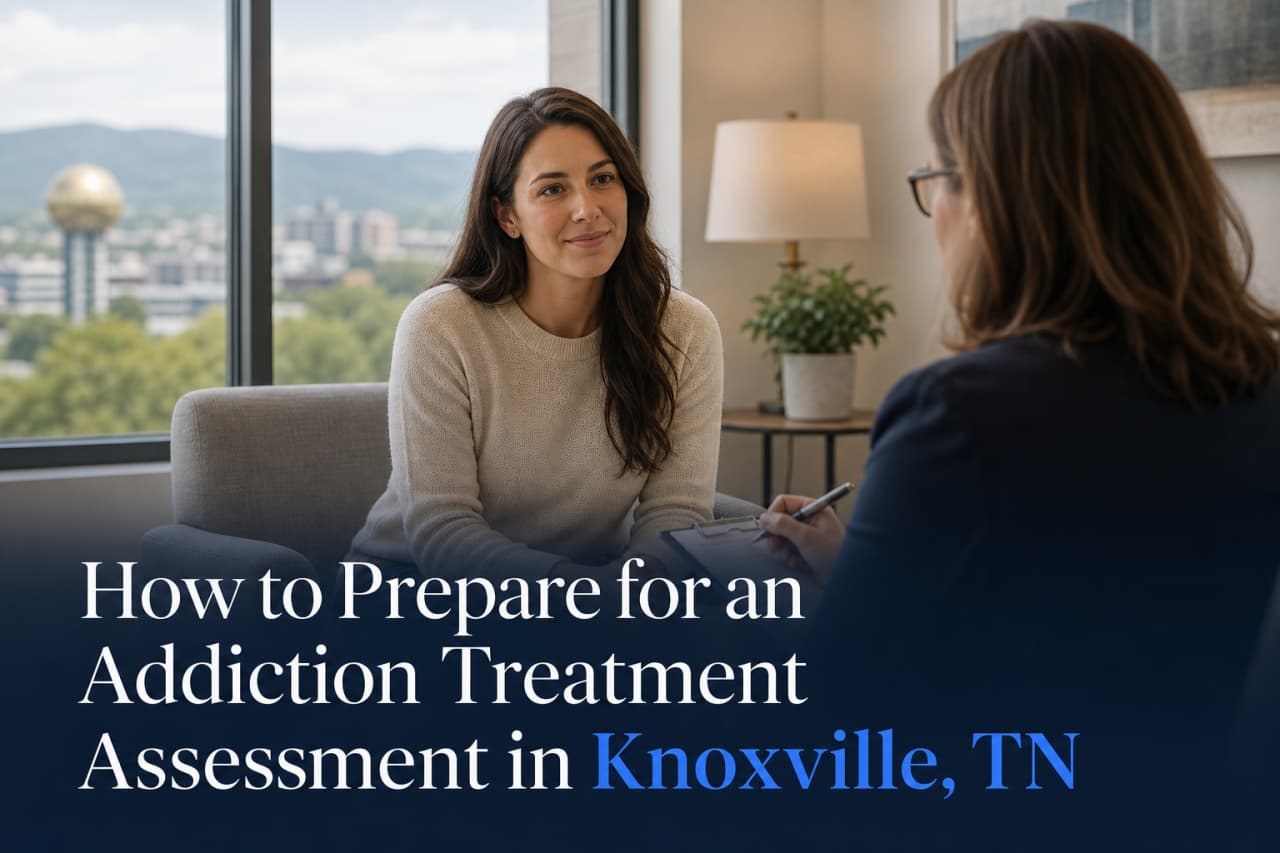
How to Prepare for an Addiction Treatment Assessment in Knoxville, TN
Preparing for an addiction treatment assessment can make the first step into care feel more manageable. In Knoxville, trained staff may use screening tools, including a brief screen, alcohol screening, or a substance involvement screening test, to answer questions about substance abuse, prescription drugs, tobacco use, other drug use, and mental disorders. This guide explains what to know before an assessment and how the process can lead to treatment recommendations and effective treatment.
What Is an Addiction Treatment Assessment?
An addiction treatment assessment is a clinical evaluation used to understand a person’s substance use, physical health, mental health, withdrawal risk, and daily functioning. During the assessment, a clinician may ask about alcohol or drug use, how often substances are used, previous attempts to stop, past treatment, medications, medical conditions, family history, and co-occurring mental health symptoms.
The information helps identify the severity of a substance use disorder, immediate safety concerns, and the appropriate level of care, which may include detox, residential treatment, PHP, IOP, or outpatient treatment.
Who Should Consider an Addiction Treatment Assessment?
An addiction treatment assessment may help anyone concerned about their alcohol or drug use or experiencing negative consequences from substance use. It can identify the severity of substance use, withdrawal risks, co-occurring mental health concerns, and problems affecting work, relationships, health, or daily life. The assessment helps clinicians determine which level of treatment may fit the person’s current needs.
Signs You May Need an Addiction Treatment Assessment
- Increased Substance Use: Using alcohol or drugs more often or in larger amounts.
- Strong Cravings: Feeling frequent or intense urges to use substances.
- Loss of Control: Having difficulty limiting or stopping substance use.
- Increased Tolerance: Needing larger amounts to experience the same effects.
- Withdrawal Symptoms: Experiencing physical or emotional symptoms after reducing or stopping use.
- Failed Attempts to Stop: Trying to quit or cut back without lasting success.
- Daily Life Problems: Substance use interferes with work, school, relationships, or responsibilities.
- Continued Use: Using substances despite physical, mental, social, or financial consequences.
- Mental Health Symptoms: Experiencing depression, anxiety, trauma symptoms, or other concerns alongside substance use.
- Overdose or Emergencies: Experiencing an overdose or another substance-related medical emergency.
What Happens During an Addiction Treatment Assessment?
During an addiction treatment assessment, a clinician reviews substance use, withdrawal, physical and mental health, medications, safety risks, and daily functioning to determine the appropriate level of care.
Screening may include a brief tool or disorders identification test developed for the general population, including pregnant persons, to identify substance-related trouble and when to contact additional services. Standardized tools such as the DSM-5, 10-question AUDIT, DAST-10, and CRAFFT for youth under 21 can guide further risk assessment, SBIRT, motivational interviewing, and individualized treatment.
Questions and Screening Tools Used During an Addiction Assessment
- Substance Use History: What substances do you use, how much do you use, and how often?
- Recent Substance Use: When did you last use alcohol or drugs?
- Withdrawal Symptoms: What physical or mental symptoms occur when you reduce or stop using?
- Previous Treatment: Have you received detox, residential care, outpatient treatment, therapy, or other addiction services?
- Mental Health: Have you experienced depression, anxiety, trauma symptoms, suicidal thoughts, or other mental health concerns?
- Physical Health: Do you have medical conditions, chronic pain, injuries, or other health problems?
- Current Medications: What prescription and over-the-counter medications do you take?
- Daily Functioning: Has substance use affected work, school, finances, relationships, or responsibilities?
- Support System: Do you have family members, friends, or other people who support your recovery?
- Safety Concerns: Have you experienced an overdose, self-harm, unsafe substance use, or another immediate safety risk?
How Trauma Can Affect Substance Use and Treatment Needs
Trauma can affect stress, sleep, emotions, relationships, and coping behaviors. Some people use alcohol or drugs to cope with traumatic memories, anxiety, emotional distress, or other trauma-related symptoms. Identifying trauma during an addiction treatment assessment can help clinicians determine whether trauma-focused mental health services should be included in the treatment plan.
Prevalence of Substance Use Disorder
Substance use disorders affect millions of people in the United States and can involve alcohol, opioids, stimulants, cannabis, and other substances. These disorders range from mild to severe and commonly occur with depression, anxiety, trauma-related disorders, and other mental health conditions.
An addiction treatment assessment helps determine how substance use affects each person and what type of care may be needed. Substance use screening is recommended for all adults 18 and older, with annual rescreening recommended for people with low-risk use. The need for early identification is significant, as more than 140,000 alcohol-related deaths occurred in 2019, while drug overdose contributed to 1 in 22 deaths in 2021.
Effects and Risks of Untreated Addiction
Short-Term Effects
- Impaired Judgment
- Accidents and Injuries
- Mood Changes
- Withdrawal Symptoms
- Overdose
Long-Term Effects
- Tolerance and Dependence
- Chronic Health Problems
- Mental Health Problems
- Relationship Problems
- Work and Financial Problems
- Increased Overdose Risk
Substance Use, Medical History, and Withdrawal Risk
An addiction treatment assessment reviews which substances a person uses, including alcohol, opioids such as heroin or fentanyl, prescription pain medications, benzodiazepines, cocaine, methamphetamine, cannabis, and other drugs.
Clinicians also review frequency, amount, last use, medical conditions, medications, previous overdoses, and past withdrawal symptoms, and some evaluations may include laboratory testing or blood biomarkers when clinically indicated for recent substance use or monitoring.
Alcohol, benzodiazepine, and some other forms of withdrawal can require medical monitoring, while opioid withdrawal and cravings may require medication and additional support.
Medication-Assisted Treatment for Substance Use Disorders
Medication-assisted treatment combines approved medications with counseling and behavioral health services. Medications such as buprenorphine, methadone, and naltrexone may be used for opioid use disorder, while naltrexone, acamprosate, and disulfiram may be considered for alcohol use disorder. An assessment helps determine whether medication should be part of the treatment plan.
Mental Health Screening and Co-Occurring Disorders
Mental health screening helps identify conditions that may occur alongside substance use disorders. Clinicians may screen for depression, anxiety disorders, PTSD and trauma-related symptoms, bipolar disorder, ADHD, schizophrenia and other psychotic disorders, eating disorders, and personality disorders.
Identifying co-occurring disorders can help clinicians address substance use and mental health needs together.
Assessing Suicide Risk and Other Immediate Safety Concerns
An assessment may include questions about suicidal thoughts, self-harm, previous suicide attempts, overdose history, psychosis, severe withdrawal, violence risk, and access to lethal means.
Immediate safety concerns may require emergency medical or psychiatric care before routine addiction treatment begins. For example, a suicide risk screening may use four questions to identify immediate safety concerns and whether crisis support, such as the National Suicide Prevention Lifeline, may be needed.
How Clinicians Determine the Right Level of Care
Clinicians consider the type and severity of substance use, withdrawal risk, physical health, mental health symptoms, relapse history, safety concerns, living environment, and recovery support. These factors help determine whether a person may need detox, residential treatment, PHP, IOP, or standard outpatient care.
Addiction Treatment Options After an Assessment
Assessment results help create an individualized treatment plan based on current needs and risks. Recommendations may include medical detox, residential treatment, PHP, IOP, outpatient therapy, medications for substance use disorders, mental health treatment, or recovery support services.
Benefits of an Addiction Treatment Assessment
- Identifies Addiction Severity
- Detects Withdrawal Risks
- Screens for Mental Health Disorders
- Identifies Medical Concerns
- Evaluates Immediate Safety Risks
- Determines the Appropriate Level of Care
- Guides Treatment Planning
- Connects Patients With Needed Services
How to Prepare for Your Addiction Treatment Assessment
Be ready to discuss which substances you use, how often you use them, when you last used them, and any withdrawal or overdose history. Bring a list of current medications, medical and mental health diagnoses, previous treatment information, identification, and insurance information when requested. Honest answers give clinicians a clearer picture of your treatment needs.
What Happens After the Assessment?
After the assessment, the clinician reviews the findings and discusses recommended next steps. Depending on the results, this may include starting treatment, completing detox first, receiving a referral for a higher level of care, addressing co-occurring mental health conditions, or beginning medication when appropriate.
When to Seek Help
Consider seeking professional help when alcohol or drug use becomes difficult to control, causes withdrawal or cravings, or interferes with health, relationships, work, or daily responsibilities. An overdose, severe withdrawal, suicidal thoughts, psychosis, loss of consciousness, or another immediate safety threat requires urgent medical attention.
Addiction Treatment Options
Medical Detox
Medical Detox provides medical monitoring and management of withdrawal symptoms.
Residential Treatment
Provides 24-hour structure in a treatment setting.
Partial Hospitalization Program
Partial Hospitalization Program provides intensive daytime treatment without overnight residential care.
Intensive Outpatient Program
Intensive Outpatient Program provides structured therapy several days per week while allowing patients to live at home.
Outpatient Treatment
Provides scheduled counseling and behavioral health services with fewer weekly treatment hours.
Medication-Assisted Treatment
Uses medications with counseling and behavioral treatment for certain substance use disorders.
Dual Diagnosis Treatment
Dual Diagnosis Treatment addresses substance use and co-occurring mental health disorders together.
Recovery Support
May include peer support, relapse prevention, family services, and continuing care.
Does Insurance Cover Treatment?
Many health insurance plans provide coverage for substance use disorder and mental health treatment, but benefits vary by plan, provider, and level of care. Coverage may include assessments, detox, residential treatment, PHP, IOP, outpatient therapy, and medications when medically necessary.
Patients can verify benefits before treatment to check deductibles, copays, network requirements, referrals, and prior authorization requirements.
Conclusion
An addiction treatment assessment gives addiction medicine professionals essential information about substance use, prescription medications, mental health, and safety concerns.
Screening may involve a self-administered tool, brief intervention, follow-up, evidence-based interventions, and criteria from the Diagnostic and Statistical Manual, Fifth Edition, or ASAM Criteria to identify patients who may need outpatient or inpatient care; SISQ tools can also identify unhealthy substance use in the past year.
Whether concerns involve one substance, alcohol, smoking, prescription drugs, or other substance use, an assessment can help establish the presence of a problem and guide appropriate next steps.
Seeking Treatment? We Can Help!
At New Hope Healthcare, as an in-network provider we work with most insurance plans, such as:
If you or a loved one are struggling with mental health challenges or substance abuse, seeking treatment and emotional support is crucial.
Consulting a doctor can provide the necessary support and guidance for your teen. Reach out to New Hope Healthcare today. Our team of compassionate professionals is here to support your journey towards lasting well-being.
Effective medication management is a crucial part of the treatment process to ensure safety and success.
Give us a call at 866-799-0806.
FAQs
What Is an Addiction Treatment Assessment?
An addiction treatment assessment evaluates substance use, physical health, mental health, withdrawal risk, and other needs to help determine an appropriate level of care.
How Long Does an Addiction Treatment Assessment Take?
The length varies based on the person and provider, but assessments typically include questions about substance use, medical history, mental health, medications, and current symptoms.
What Should I Bring to an Addiction Treatment Assessment?
Bring identification, insurance information, a medication list, relevant medical records, and information about your substance use when available.
People Also Ask
What Questions Are Asked During an Addiction Assessment?
Clinicians may ask about substances used, frequency and amount of use, withdrawal symptoms, previous treatment, mental health symptoms, medical conditions, and daily functioning.
How Do Clinicians Determine the Right Level of Addiction Treatment?
Clinicians consider addiction severity, withdrawal and safety risks, physical and mental health, living environment, and ability to function in daily life.
What Happens After an Addiction Treatment Assessment?
A clinician may recommend detox, residential treatment, PHP, IOP, outpatient care, medication, or other services based on the assessment results.
Sources