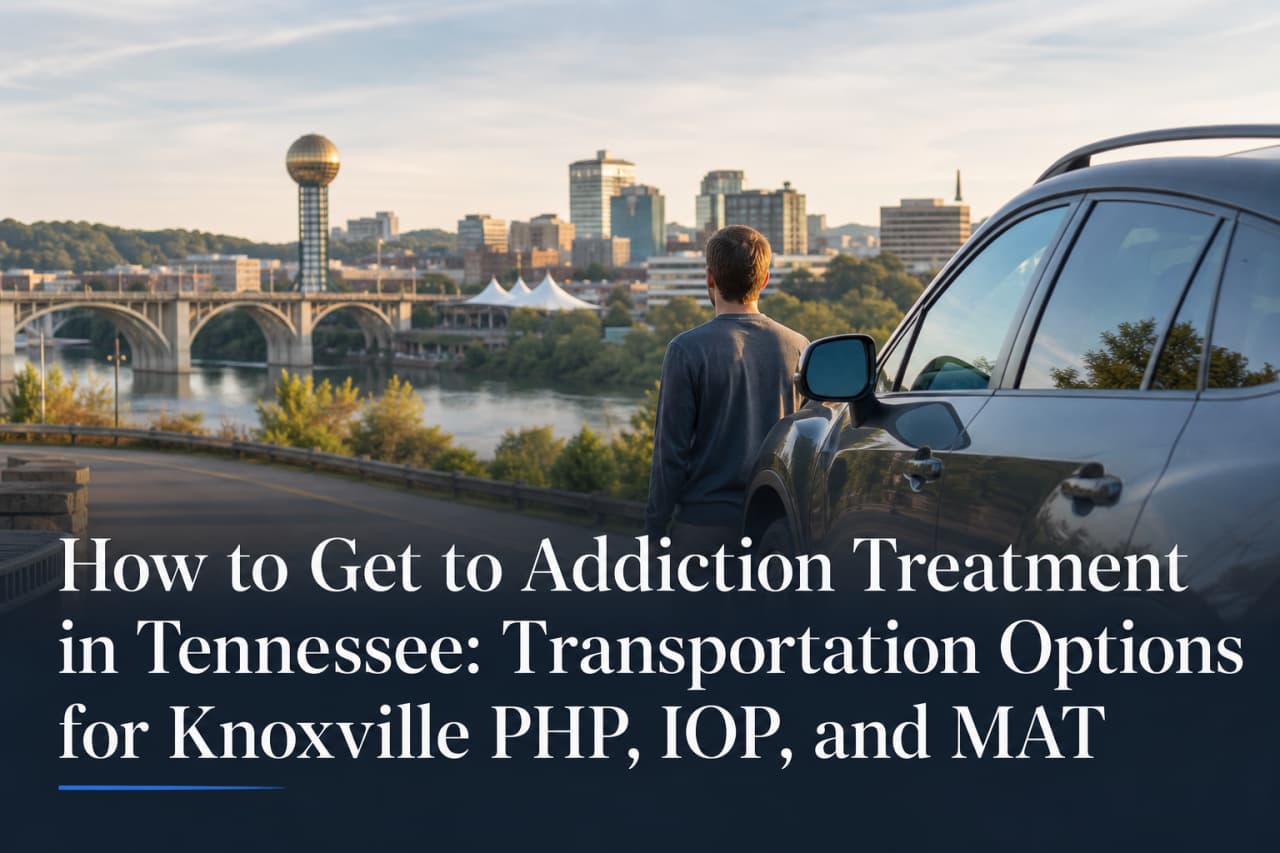
How to Get to Addiction Treatment in Tennessee: Transportation Options for Knoxville PHP, IOP, and MAT
Entering treatment for drug addiction can feel overwhelming, especially when transportation to addiction treatment becomes another concern. Whether a person is considering nearby rehab centers or treatment programs farther from home, travel arrangements can affect how prepared they feel to begin the recovery process. This guide explores transportation for a rehab facility, including public or private transportation, insurance options, sober transportation services, and other resources that may help patients stay committed to consistent care.
What Is Transportation to Addiction Treatment?
Transportation to addiction treatment refers to the ways a person travels to and from services such as detox, residential treatment, partial hospitalization programs (PHP), intensive outpatient programs (IOP), counseling, and medication-assisted treatment (MAT). Reliable transportation can help people attend appointments, follow treatment schedules, receive medications, and stay connected with their treatment team.
Transportation options may include rides from family or friends, public transportation, rideshare services, medical transportation, or transportation benefits available through certain insurance plans. For people without a vehicle or dependable ride, planning transportation before treatment begins can reduce missed appointments and support consistent participation throughout recovery.
How Transportation Barriers Affect Treatment Access and Recovery
Transportation barriers can prevent people with alcohol, opioid, benzodiazepine, stimulant, cannabis, and other substance use disorders from reaching treatment consistently. Missed rides can lead to skipped therapy, delayed medication appointments, interrupted drug testing, and gaps in PHP, IOP, or MAT. These disruptions can increase cravings, reduce treatment engagement, and raise the risk of returning to substance use.
Accessibility and Transportation for Patients With Disabilities or Medical Needs
People with physical disabilities, mobility limitations, chronic medical conditions, or other health needs may require accessible transportation to addiction treatment. Options can include wheelchair-accessible vehicles, ADA paratransit, non-emergency medical transportation, and assistance from family members or caregivers. Transportation planning should account for both the person’s medical needs and the frequency of treatment.
Transportation Options for Patients Without a Vehicle in Tennessee
People without a car or valid driver’s license may still have several ways to reach addiction treatment in Tennessee. Options depend on location, insurance coverage, medical needs, and the frequency of PHP, IOP, MAT, or counseling.
- Family and Friends: A trusted person can provide rides to treatment.
- Public Transportation: Local buses may provide lower-cost transportation.
- Rideshare Services: Direct rides can help but may become costly with frequent visits.
- TennCare Transportation: Eligible TennCare members may qualify for rides to covered appointments.
- ADA Paratransit: Accessible transportation may be available for eligible people with disabilities.
- Non-Emergency Medical Transportation: Medical transportation may help patients with qualifying health or mobility needs.
- Community Transportation Programs: Local programs may provide transportation assistance.
Free medical transportation may be available for Medicaid members, veterans dealing with illness, and people unable to drive. Other options include Disabled American Veterans transportation, trains, sober escorts, and services that offer pick-up, drop-off services, or safe passage; in certain states, some programs offer free medical transportation, while residential patients should ask which personal hygiene items to bring.
Transportation for PHP, IOP, and MAT Programs
Transportation needs can change based on the level and frequency of addiction treatment. PHP often requires frequent daytime attendance, while IOP usually involves several treatment sessions each week and may offer more flexibility around work, school, or family responsibilities. MAT may require recurring appointments for medications, counseling, monitoring, or drug testing, making dependable transportation especially important for people receiving treatment for opioid use disorder.
Transportation Safety, TennCare, and Public Transit Options
People should not drive when alcohol, opioids, benzodiazepines, cannabis, withdrawal symptoms, or certain medications impair judgment, coordination, or alertness. Alternative options may include family rides, rideshare services, public transit, or medical transportation, while eligible TennCare members may qualify for non-emergency transportation to covered healthcare appointments.
Knoxville residents using public transportation should consider routes, operating hours, transfers, and travel time when planning transportation for PHP, IOP, MAT, or counseling.
Planning Treatment Transportation Around Costs, Work, and Family
Addiction treatment may require several trips each week, so transportation planning should include more than the cost of a single ride. Patients can compare treatment times with work schedules, childcare, family responsibilities, bus schedules, fuel costs, parking fees, and rideshare expenses. Scheduling recurring transportation in advance can reduce last-minute problems that interfere with treatment attendance.
Transportation Challenges in Rural Tennessee and East Tennessee
People in rural Tennessee may live farther from addiction treatment centers, MAT providers, mental health services, and other healthcare resources. Limited public transportation, long travel distances, fuel costs, and fewer nearby providers can make regular treatment attendance more difficult. These barriers may become especially significant when PHP, IOP, or MAT requires multiple visits each week.
How Transportation Needs Are Assessed Before Addiction Treatment
Transportation needs can be reviewed during addiction treatment intake and planning. Understanding how a patient will reach treatment can help identify barriers before they lead to missed appointments.
- Access To A Reliable Vehicle
- Valid Driver’s License
- Family Or Friend Support
- Public Transportation Availability
- Insurance Transportation Benefits
- Distance From The Treatment Facility
- Work And Family Schedules
- Mobility Or Medical Needs
- Frequency Of Required Treatment Visits
Emergency and Same-Day Transportation for Addiction Treatment
Routine transportation services are not a substitute for emergency medical care. Someone experiencing a suspected overdose, breathing problems, seizures, loss of consciousness, severe withdrawal, or another life-threatening reaction to alcohol or drugs may require immediate emergency medical assistance.
Same-day non-emergency transportation may be available in some situations, but availability depends on the transportation provider, insurance plan, location, and urgency of the appointment.
Prevalence of Transportation Barriers in Addiction Treatment
Transportation is a recognized barrier for some people who need substance use disorder treatment, especially those living far from treatment providers or without reliable vehicles. The burden can be greater for people who need frequent appointments for opioid use disorder medications, counseling, drug testing, PHP, or IOP. Rural communities can face additional barriers because treatment locations and public transportation options may be limited.
Effects and Risks of Missed Addiction Treatment Appointments
Short-Term Effects
- Missed Therapy Sessions
- Interrupted MAT Appointments
- Delayed Medication Management
- Missed Drug Testing
- Increased Alcohol Or Drug Cravings
- Reduced Recovery Support
- Disrupted PHP Or IOP Attendance
- Increased Risk Of Returning To Substance Use
Long-Term Effects
- Repeated Alcohol Or Drug Relapse
- Reduced Treatment Engagement
- Higher Risk Of Leaving Treatment Early
- Worsening Substance Use Disorder Symptoms
- Loss Of Progress Made During Treatment
- Increased Risk Of Opioid Overdose After Reduced Tolerance
- Worsening Mental And Physical Health
- Problems With Work, Family, Finances, And Daily Life
- Greater Difficulty Maintaining Long-Term Recovery
Relapse and Overdose Risks From Gaps in Treatment
Gaps in addiction treatment can increase the risk of returning to alcohol, opioids, benzodiazepines, stimulants, or other substances. Missing MAT appointments can be especially dangerous for people with opioid use disorder because interruptions in medications such as buprenorphine or methadone may increase cravings and opioid use.
After a period of reduced or stopped opioid use, tolerance can decrease, which can raise overdose risk if a person returns to fentanyl, heroin, or prescription opioids at a previous dose.
Co-Occurring Mental Health Conditions and Transportation Barriers
People with substance use disorders may also experience depression, anxiety disorders, PTSD, bipolar disorder, ADHD, or other mental health conditions. Depression can reduce motivation, anxiety or panic disorder can make public transportation difficult, and PTSD symptoms may make crowded or unfamiliar environments harder to tolerate.
Transportation barriers can interrupt both addiction treatment and mental health care, making coordinated treatment for co-occurring disorders harder to maintain.
Transportation After Detox and Continued Care
Transportation remains important after detox or residential addiction treatment as patients transition to PHP, IOP, MAT, therapy, psychiatric care, and recovery meetings. Some transportation services may include airport pickups and drop-offs for patients traveling from farther away to the treatment center.
Reliable transportation can reduce gaps in care and support consistent attendance, helping patients manage cravings, triggers, mental health symptoms, and relapse warning signs during continued recovery.
Benefits of Reliable Transportation During Addiction Recovery
- Fewer Missed Treatment Appointments
- More Consistent PHP And IOP Attendance
- Reliable Access To MAT Appointments
- Better Continuity Of Care
- Greater Access To Mental Health Services
- More Consistent Recovery Support
- Fewer Gaps Between Levels Of Care
- Better Support For Long-Term Recovery
How Family Support Can Improve Transportation and Treatment Attendance
Family members can help by providing rides, coordinating transportation schedules, or helping patients identify backup transportation when plans change. This support can be especially useful when addiction treatment requires several appointments each week. Families can also encourage consistent attendance without taking control of the person’s recovery responsibilities.
Choosing Addiction Treatment Based on Transportation and Scheduling Needs
The appropriate level of addiction treatment should primarily reflect a person’s clinical needs, but transportation and scheduling also affect whether a treatment plan is practical. PHP may require frequent daytime attendance, while IOP can provide structured treatment with fewer weekly hours, and MAT may require recurring medication and monitoring appointments.
Patients should discuss transportation, employment, childcare, and other scheduling barriers during treatment planning rather than choosing a lower level of care solely because it is easier to reach.
When to Seek Help
Treatment may be needed when alcohol or drug use becomes difficult to control or affects health, relationships, work, or daily life. Warning signs include cravings, withdrawal, tolerance, risky use, and repeated unsuccessful attempts to stop.
Addiction Treatment Options
Medical Detox
Manages withdrawal when medical monitoring is needed.
Residential Treatment
Provides 24-hour treatment in a live-in setting.
PHP
PHP provides structured daytime addiction and mental health treatment.
IOP
IOP provides structured outpatient care several times per week.
Outpatient Treatment
Provides ongoing therapy with fewer treatment hours.
MAT
Uses medications and behavioral care to treat substance use disorders.
Dual Diagnosis Treatment
Dual Diagnosis Treatment treats addiction with co-occurring mental health disorders.
Continued Care
Provides ongoing support after more intensive treatment.
Does Insurance Cover Treatment?
Insurance may cover detox, residential care, PHP, IOP, outpatient treatment, MAT, and mental health services when medically necessary. Some treatment facilities and rehab centers offer transportation support or can help coordinate it with outside providers.
Coverage, copays, deductibles, provider networks, authorization requirements, and transportation benefits vary by plan. Veteran services can coordinate free medical rides for eligible veterans.
Conclusion
Reliable transport can support the recovery journey by helping patients maintain consistent care, attend support groups, and stay connected with treatment programs. Depending on eligibility and location, options may include a friend or family member, private transportation, sober transport services, Medicaid's Nonemergency Medical Transportation, or other forms of medical transportation.
Patients can contact their insurance provider or member service department to discuss available transportation to addiction treatment and take the next step toward recovery with greater confidence and encouragement.
Seeking Treatment? We Can Help!
At New Hope Healthcare, as an in-network provider we work with most insurance plans, such as:
If you or a loved one are struggling with mental health challenges or substance abuse, seeking treatment and emotional support is crucial.
Consulting a doctor can provide the necessary support and guidance for your teen. Reach out to New Hope Healthcare today. Our team of compassionate professionals is here to support your journey towards lasting well-being.
Effective medication management is a crucial part of the treatment process to ensure safety and success.
Give us a call at 866-799-0806.
FAQs
What Transportation Options Are Available for Addiction Treatment in Tennessee?
Options may include family rides, public transit, rideshare services, TennCare transportation for eligible members, and transportation support coordinated with treatment providers.
Does TennCare Cover Transportation to Addiction Treatment?
TennCare may provide non-emergency transportation to covered healthcare services for eligible members, including qualifying behavioral health and addiction treatment.
Why Is Reliable Transportation Important During Addiction Treatment?
Reliable transportation can reduce missed appointments and help patients attend therapy, MAT, PHP, IOP, and continued care consistently.
People Also Ask
Can I Go to Addiction Treatment if I Do Not Have a Car?
Yes. Public transit, TennCare transportation, family support, rideshare services, and other local resources may help patients reach treatment.
Can Transportation Take Me to MAT Appointments?
Transportation options may be available for eligible MAT appointments, but coverage and availability depend on the service and transportation program.
What Happens if Transportation Problems Cause Me to Miss Treatment?
Repeated missed appointments can disrupt treatment, medication schedules, and recovery support, which may increase relapse risk.
Sources