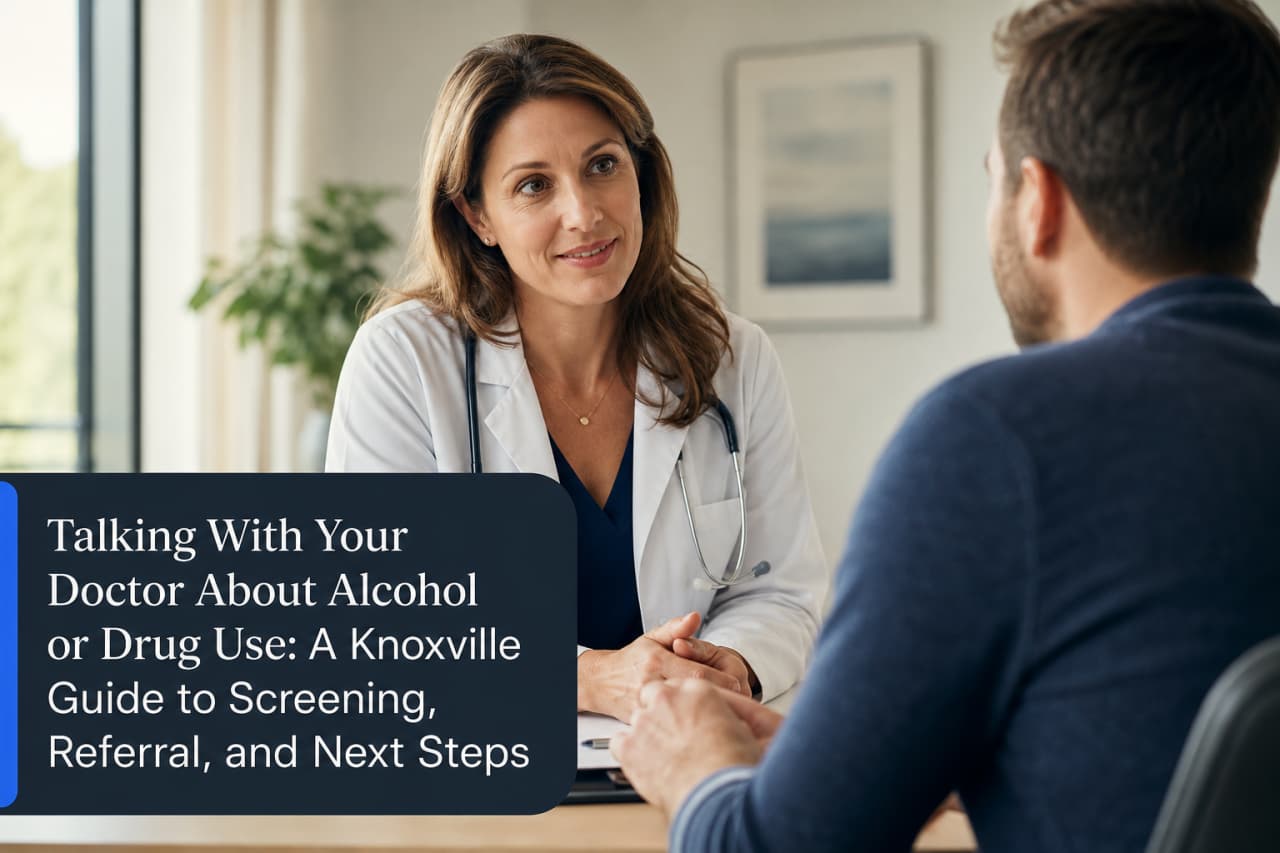
Talking to your doctor about drinking or drug use can feel uncomfortable, but substance use screening is an important first step in identifying potential health risks. Whether concerns involve alcohol, marijuana, nicotine, prescription medications, or illegal drug use, screening can help identify patterns of substance abuse before they worsen. For Knoxville residents, understanding what to expect from a screening test and how to access treatment can make starting the conversation easier.
What Is Substance Use Screening and Why Is It Important?
Substance use screening is a brief evaluation that healthcare providers use to identify risky alcohol or drug use and possible signs of a substance use disorder. During screening, doctors ask about drinking habits, prescription medications, illicit drug use, frequency of use, and how substance use affects physical health, mental health, and daily life. Screening helps identify potential problems before they develop into more serious addiction, withdrawal symptoms, or long-term health complications. Early substance use screening allows healthcare professionals to recognize warning signs, assess risk factors, and recommend appropriate interventions. Screening is an important part of preventive healthcare because it can connect patients with counseling, further assessment, and addiction treatment services when needed.
What Happens During a Substance Use Screening?
During a substance use screening, healthcare providers ask about alcohol consumption, prescription medications, illicit drug use, and patterns of use. Questions may address cravings, withdrawal symptoms, previous attempts to quit, and how substance use affects physical health, mental health, and daily responsibilities. Screening tools balance sensitivity and specificity to identify substance use risks, while results may indicate low, moderate, or high risk levels. Screening typically takes a few minutes and may involve a questionnaire or verbal interview. Doctors review the results to identify potential substance use problems and determine whether further assessment, brief counseling, or addiction treatment referrals are necessary.
Common Substance Use Screening Tools and Assessment Questions
Healthcare professionals use standardized screening tools to identify risky alcohol and drug use and potential substance use disorders. Common tools include:
- AUDIT: Alcohol Use Disorders Identification Test identifies hazardous drinking.
- AUDIT-C: Three-question alcohol screening.
- DAST-10: Drug Abuse Screening Test assesses drug-related problems.
- CAGE: Four-question alcohol screening, including eye-opener drinking.
- TAPS: Screens for tobacco, alcohol, prescription medication misuse, and other drugs.
- ASSIST: Alcohol, Smoking and Substance Involvement Screening Test assesses risks involving specific substances.
Questions assess substance use frequency, quantity, cravings, withdrawal, and daily effects. Research from the World Health Organization, Substance Abuse and Mental Health Services Administration, and National Institute on Drug Abuse supports screening across age groups. A brief screener may detect alcohol or drug use in the past year, followed by additional questions and SBIRT when needed.
Signs and Symptoms of Alcohol and Drug Addiction
Alcohol and drug addiction can cause physical, psychological, and behavioral changes. Common warning signs include:
- Strong cravings for alcohol or drugs
- Difficulty controlling substance use
- Increased tolerance and withdrawal symptoms
- Continued use despite negative consequences
- Neglecting work, school, or family responsibilities
- Changes in sleep, appetite, or personal hygiene
- Anxiety, depression, irritability, or mood swings
- Secretive behavior and social withdrawal
- Risky behaviors while intoxicated
- Repeated unsuccessful attempts to quit
How to Prepare for a Screening and What to Tell Your Doctor
Before a substance use screening, whether it is self-administered or administered by a clinician, patients should review the types of alcohol or drugs they use, how often they use them, and the amounts consumed. They should also discuss prescription medications, withdrawal symptoms, previous overdoses, mental health conditions, and past addiction treatment. The World Health Organization (WHO) developed AUDIT to assess risky alcohol use across cultures, with multiple language versions available to improve accessibility. Accurate information helps doctors identify health risks and recommend appropriate care. Patients can also ask about confidentiality, treatment options, insurance coverage, and referrals to addiction specialists.
What Happens After a Positive Substance Use Screening?
A positive substance use screening indicates possible risky alcohol or drug use but does not confirm addiction. Healthcare providers may conduct further assessments to evaluate substance use severity, withdrawal risks, physical health, and co-occurring mental health disorders.
Depending on the findings, patients may receive brief counseling, medication treatment, or referrals to detox, residential treatment, intensive outpatient programs (IOP), or standard outpatient services.
The Difference Between Substance Use Screening, Assessment, and Diagnosis
Substance use screening, assessment, and diagnosis help healthcare professionals identify alcohol and drug-related problems and determine appropriate treatment.
- Screening: Briefly identifies risky substance use and possible addiction symptoms.
- Assessment: Evaluates substance use history, physical and mental health, withdrawal risks, and daily functioning.
- Diagnosis: Determines whether someone meets clinical criteria for a substance use disorder using standards such as the DSM-5-TR.
A positive screening requires further evaluation before a substance use disorder can be diagnosed. TAPS-1 uses a combined screening component to identify past-year substance use, while TAPS-2 provides a brief assessment for patients who screen positive.
Who Should Receive Substance Use Screening and How Often?
Routine substance use screening is recommended for adults 18 and older, including pregnant women, while adolescents may also receive screening. The CRAFFT tool screens adolescents and young adults under 21, while the Drug Abuse Screening Test (DAST) assesses drug-related problems in the general population. Screening helps identify unhealthy alcohol use, illicit drug use, and addiction risks before complications develop. Screening frequency depends on age, medical history, and risk factors, with doctors often screening during annual checkups, medication reviews, or symptom-related visits. Healthcare providers use age-appropriate tools for adolescent patients and may provide SBIRT when needed.
Prevalence of Substance Use Disorders in Tennessee and Knoxville
Alcohol, opioid, cannabis, and stimulant use disorders affect residents across Tennessee, including Knoxville and Knox County. Alcohol misuse remains a concern, while fentanyl, heroin, and prescription opioids contribute to overdose deaths. Methamphetamine and cocaine use also pose serious health risks. State health reports track overdose deaths in Knox County, while national surveys estimate substance use disorder prevalence across Tennessee.
Effects and Risks of Substance Use Disorders
Short-Term:
- Impaired judgment, coordination, and memory
- Nausea, dizziness, and fatigue
- Anxiety, irritability, and mood changes
- Changes in heart rate, sleep, and appetite
- Risky behaviors, accidents, and injuries
- Alcohol poisoning and drug overdose
Long-Term:
- Physical dependence, addiction, and withdrawal
- Liver disease, heart disease, and organ damage
- Memory problems and impaired brain function
- Depression, anxiety, and other mental health disorders
- Increased risk of certain cancers
- Relationship, employment, and financial problems
- Repeated overdose and premature death
The Connection Between Addiction and Co-Occurring Mental Health Disorders
- Depression: Alcohol and drug use can worsen depressive symptoms, hopelessness, and suicidal thoughts.
- Anxiety Disorders: Generalized anxiety disorder, panic disorder, and social anxiety disorder may contribute to substance use as a coping mechanism.
- Post-Traumatic Stress Disorder (PTSD): Trauma-related symptoms, flashbacks, and sleep disturbances may increase substance use risks.
- Bipolar Disorder: Substance use can worsen mood episodes, impulsivity, and treatment adherence.
- Attention-Deficit/Hyperactivity Disorder (ADHD): Impulsivity and difficulty regulating attention may increase vulnerability to substance misuse.
- Schizophrenia and Other Psychotic Disorders: Substance use can worsen hallucinations, delusions, and psychiatric instability.
- Personality Disorders: Borderline personality disorder and antisocial personality disorder may co-occur with substance use disorders.
Substance use screening can help identify potential addiction concerns alongside mental health symptoms. Integrated treatment addresses both conditions through behavioral therapy, psychiatric care, medication management, and relapse prevention.
Can Substance Use Screening Identify Prescription Drug Misuse?
Yes, substance use screening can identify possible prescription drug misuse, including taking medications in larger amounts, using them without a prescription, or continuing use despite harmful consequences. Common medications involved include opioid painkillers such as oxycodone and hydrocodone, benzodiazepines such as Xanax and Valium, and prescription stimulants such as Adderall and Ritalin. Doctors may ask about medication dosage, frequency, early refills, cravings, withdrawal symptoms, and use with alcohol or other drugs. Screening helps identify possible prescription drug dependence or addiction and determine whether further assessment or treatment is necessary.
What Are the Barriers to Substance Use Screening and Treatment?
Several barriers can prevent people from discussing alcohol or drug use with healthcare providers or accessing addiction treatment. Common challenges include:
- Stigma and Fear of Judgment: Concerns about being criticized or labeled as addicted.
- Privacy Concerns: Fear that substance use information may affect employment, relationships, or medical records.
- Limited Awareness: Difficulty recognizing addiction symptoms or understanding available treatment options.
- Financial Barriers: Treatment costs, insurance restrictions, and limited coverage.
- Limited Access to Care: Transportation problems, provider shortages, and long appointment wait times.
- Fear of Withdrawal: Concerns about physical discomfort or complications when stopping substance use.
- Co-Occurring Mental Health Disorders: Depression, anxiety, or trauma symptoms that make seeking treatment more difficult.
Healthcare providers can help address these barriers by explaining confidentiality protections, discussing treatment options, and connecting patients with appropriate services.
Benefits of Early Screening, Intervention, and Addiction Treatment
- Early identification of unhealthy substance use patterns
- Reduced risk of addiction progression and overdose
- Improved physical and mental health outcomes
- Earlier detection of co-occurring mental health disorders
- Access to counseling, medication, and addiction treatment
- Reduced risk of long-term health complications
- Improved relationships, work performance, and daily functioning
- Increased opportunities for sustained recovery and relapse prevention
How Doctors Use Screening, Brief Intervention, and Referral to Treatment (SBIRT)
Screening, Brief Intervention, and Referral to Treatment (SBIRT) is an evidence-based approach that helps healthcare providers identify and address risky alcohol and drug use. Doctors use questionnaires or interviews to screen for substance use disorders, provide brief counseling about health risks, and refer patients to addiction specialists or treatment programs when needed. SBIRT is commonly used in primary care, hospitals, and emergency departments to support early intervention and access to addiction treatment.
When to Seek Help
People should seek professional help when alcohol or drug use becomes difficult to control, causes withdrawal symptoms, or affects health, relationships, and daily responsibilities. Warning signs include strong cravings, increased tolerance, unsuccessful attempts to quit, and continued use despite harmful consequences. Co-occurring depression, anxiety, or trauma symptoms may also indicate a need for assessment. Healthcare providers can evaluate addiction severity, withdrawal risks, and appropriate treatment options. Suspected overdose, seizures, or severe withdrawal symptoms require immediate medical attention.
Addiction Treatment Options
Addiction treatment depends on substance use severity, withdrawal risks, and mental health needs. Common options include:
- Medical Detox: Supervised withdrawal management for patients at risk of complications.
- Residential Treatment: Live-in care with structured therapy and recovery support.
- Partial Hospitalization Programs (PHP): Intensive daytime treatment without overnight stays.
- Intensive Outpatient Programs (IOP): Structured therapy several days weekly while living at home.
- Outpatient Treatment: Individual counseling, group therapy, and recovery support.
- Medication-Assisted Treatment (MAT): Medications for opioid or alcohol use disorder, with counseling when appropriate.
- Dual Diagnosis Treatment: Integrated care for addiction and co-occurring mental health disorders.
- Aftercare: Ongoing counseling, peer support, and relapse prevention.
Does Insurance Cover Treatment?
Many health insurance plans cover substance use screening, addiction treatment, and mental health services, depending on medical necessity and plan benefits. Coverage may include assessments, detox, residential treatment, outpatient programs, counseling, and medications. TennCare, Medicare, and private insurance may cover eligible addiction treatment services in Tennessee. Patients should verify coverage, provider networks, copayments, deductibles, and authorization requirements before treatment.
Conclusion
Substance use screening helps healthcare providers identify drug abuse, unhealthy alcohol use, and other substance use concerns through screening and assessment tools. From a brief assessment to treatment planning, patients who screen positive may receive additional questions, counseling, or referrals through Screening, Brief Intervention, and Referral to Treatment (SBIRT). If you or someone you know is concerned about substance use, contact a Knoxville healthcare provider to discuss screening, addiction treatment, and available recovery services.
Seeking Treatment? We Can Help!
At New Hope Healthcare, as an in-network provider we work with most insurance plans, such as:
If you or a loved one are struggling with mental health challenges or substance abuse, seeking treatment and emotional support is crucial. Consulting a doctor can provide the necessary support and guidance for your teen. Reach out to New Hope Healthcare today. Our team of compassionate professionals is here to support your journey towards lasting well-being. Effective medication management is a crucial part of the treatment process to ensure safety and success. Give us a call at 866-799-0806.
FAQs
- What questions do doctors ask during substance use screening?
Doctors ask about alcohol and drug use, frequency, quantity, cravings, withdrawal symptoms, and how substance use affects daily life.
- Is substance use screening confidential?
Yes, substance use screening is generally protected by medical privacy laws, although certain legal exceptions may apply.
- Does a positive substance use screening mean I have an addiction?
No. A positive screening indicates possible risky substance use and may lead to further assessment, but it does not confirm addiction.
People Also Ask
- How long does a substance use screening take?
Most initial substance use screenings take 5–10 minutes, although additional assessments may take longer.
- Can a primary care doctor refer you to addiction treatment?
Yes. Primary care doctors can refer patients to detox, residential treatment, intensive outpatient programs, or other addiction treatment services.
- What happens if you tell your doctor you use drugs?
Your doctor may assess your substance use, discuss health risks, recommend treatment, and provide referrals based on your needs.
Sources